Date: 2026.10.20 Click: 9
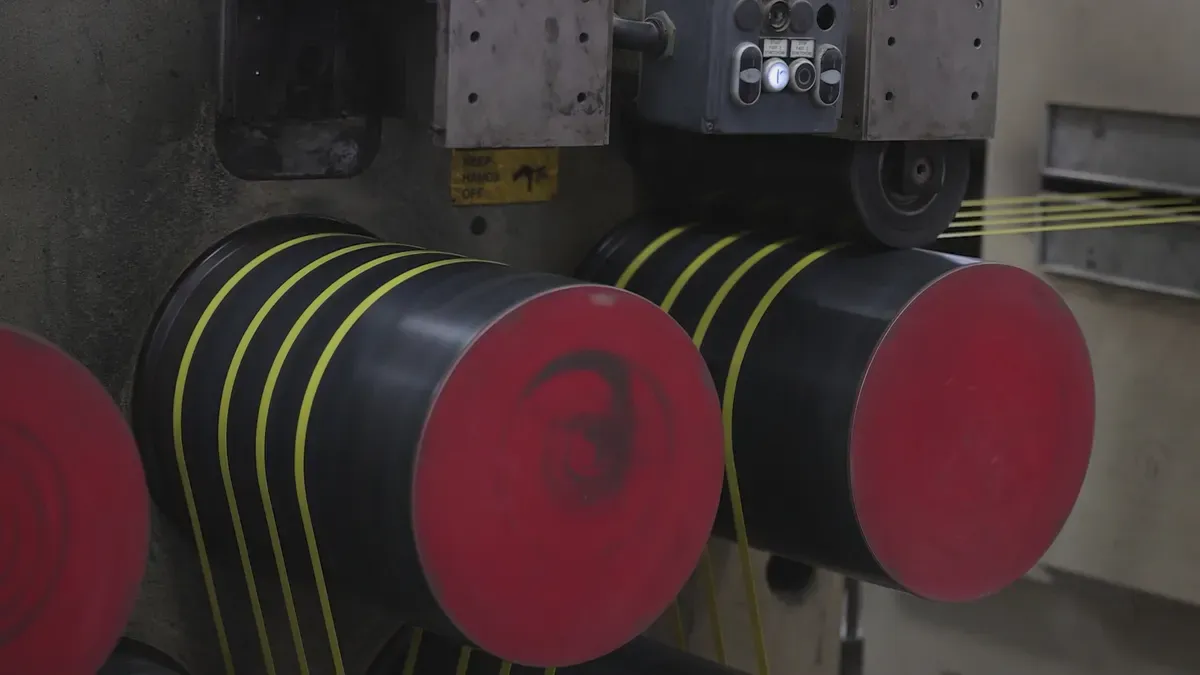
A high speed rewinding machine is an industrial system that unwinds material from a large parent roll. It then winds it onto smaller cores at high rates. The equipment turns a massive master roll into compact, tightly wound rolls with steady quality control. This rewinding machine serves packaging, converting, and film production lines in modern plants where steady output matters.
Market data puts the value of this equipment category at about USD 2.8 billion in 2023. This shows steady demand across manufacturing sectors. The sections ahead examine the core functions, the working mechanism and process flow, and the automation features that support high throughput.
Key TakeawaysTension control keeps the material tight and even. It stops wrinkles and damage.
Accurate cutting and steady alignment make rolls clean and exact. This matches what customers ask for.
Automation makes roll changes faster and cuts down on mistakes. It helps production run more efficiently.
High-speed machines can run up to 1000 meters per minute. They keep quality high even at that speed.
Zero-stretch rewinding protects delicate films. It keeps film at its natural length.
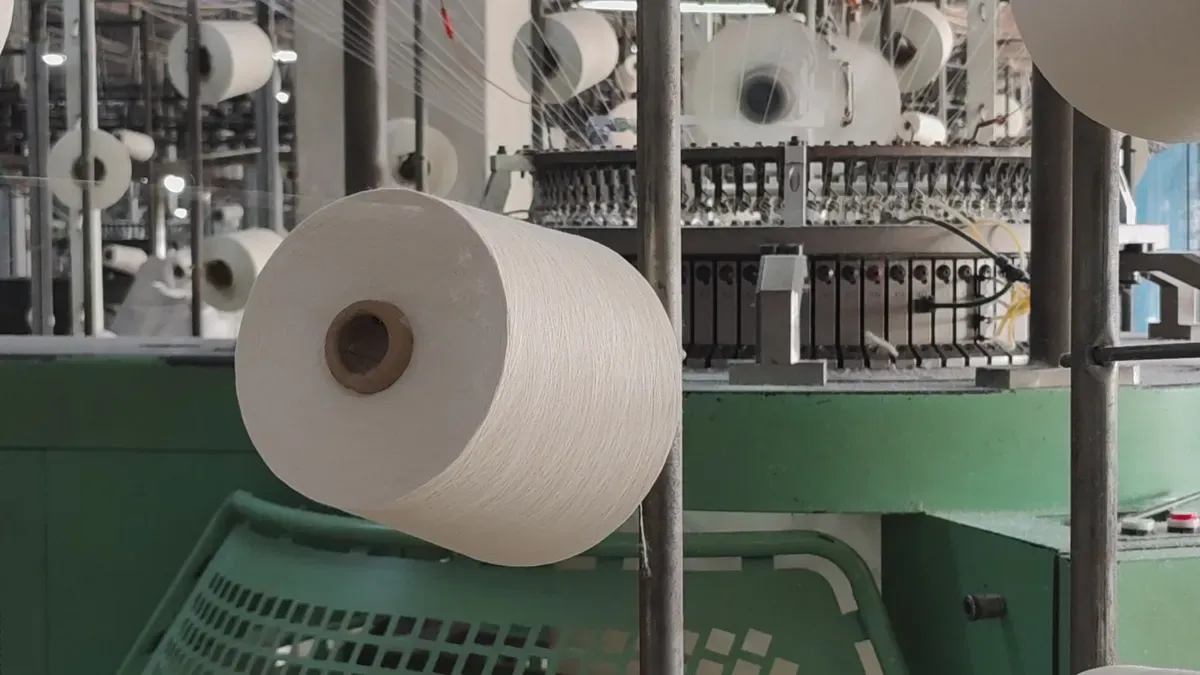
A high speed rewinding machine takes material from a large master roll and winds it onto smaller rolls that are easier to handle. This main job has four big steps: steady unwinding, exact tension control, a guided web path, and winding onto a new core. These steps work together to turn a bulky parent roll into finished products ready for packaging or more processing. The machine handles materials like film, paper, foil, and tape with the same quality on every finished roll.
Tension control is the most important job in any rewinder machine. Without good tension management, material can stretch, wrinkle, or wind unevenly. A tension control system keeps the right tightness through the whole rewinding process. The table below shows how different mechanisms help keep winding stable.
|
Mechanism |
How It Improves Winding Stability |
|---|---|
|
Closed-loop tension control |
Checks real web tension with sensors and auto-adjusts machine settings in real time |
|
Load cells / tension sensors |
Spot tension changes on rollers and send accurate data to the controller |
|
Automatic diameter compensation |
Adjusts motor torque or brake force as the roll diameter grows |
|
PLC + servo motor control |
Gives precise torque/speed control and quick response to tension changes |
|
Taper tension |
Slowly lowers tension as the roll diameter increases |
The feedback loop follows a simple order. Load cells in the rewinding section measure the real web tension. This measured tension is sent back to the control system. The system compares real tension against the set range. When tension drifts, the system adjusts motor or brake output in real time. Tension returns to the right level, keeping each finished roll stable as material is rewound.
Constant tension keeps density even across the whole roll width. This stops core crushing, edge deformation, and telescoping—common defects that ruin finished rolls. A quality slitter rewinder keeps this even tension no matter the roll diameter or operating speed.
Beyond tension, precise arrangement decides whether finished rolls meet customer specs. Slitting and rewinding operations cut the wide master roll into narrower strips before winding them onto cores. Different materials need different slitting methods:
Razor slitting for thinner materials like film
Press-slitting for thicker materials that need clean cuts
Scissor slitting for high-speed precision slitting applications
Correction systems keep coil edges neat during rewinding. Ultrasonic web guides steady lateral position before inspection and converting. These guides offer 0.01 mm detection accuracy with a 30 mm examination range and fast response times under 0.01 seconds. Optoelectronic or CCD correction systems give other choices based on material transparency and surface features.
Roll quality standards focus on end-face flatness, winding tightness, and no wrinkles or bubbles. Good tension settings support even roll hardness and edge alignment on every finished roll. Servo tension plus guiding boosts roll-to-roll consistency a lot.
Slitting accuracy depends on customer needs. Width tolerances range from ±0.1 mm for precision applications to ±0.5 mm for standard products. The slitter rewinder follows a confirmed slit plan that lists knife type and quantity for each job.
Preset stop functions add another layer of quality control. The machine stops on its own at material runout or at a preset meter value. This prevents waste and makes sure each roll holds exactly the required length of material.
A high speed rewinding machine delivers finished rolls that meet strict quality standards while running at production speeds that keep manufacturing lines moving efficiently.
How a Film Rewinding Machine Works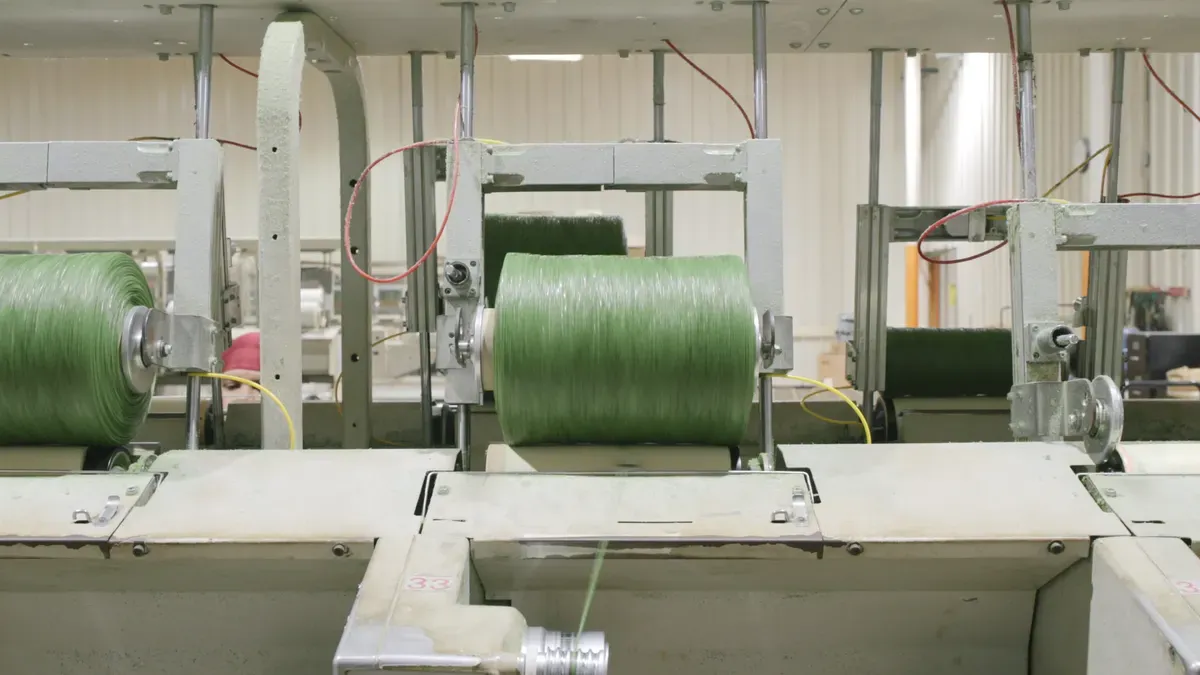
A film rewinding machine depends on several key parts that work together. The unwinding unit holds the master roll and feeds material into the system. The slitting unit holds cutting tools—adjustable blades or circular knives on shafts—with shear, crush, or razor choices. The tension control system keeps tension steady during slitting and rewinding. This ensures accurate winding and stops material damage. The rewinder winds slit material onto single cores to make finished rolls. A drive system with motors, gearboxes, and drive shafts powers and syncs all sections. Operators use a control panel with a touchscreen or console to watch and adjust tension, cutting width, speed, and other settings. Safety features include emergency stops, safety interlocks, guards, and sensors that spot problems and stop the machine.
Tensioning devices are the heart of any film rewinding machine. These parts work through a closed loop:
Real-time monitoring – Tension sensors keep checking the material's tension during unwinding, slitting, and rewinding.
Dynamic adjustment – The control system adjusts braking or tension mechanisms to keep the material tight but not overstretched.
Defect prevention – This steady control stops wrinkles, tears, and misalignment, keeping the material in good shape.
Roll diameter compensation – As the roll diameter changes, the rewinding unit adjusts winding speed to hold steady tension and make even rolls.
PLC coordination – A PLC with a tension detector compares actual tension to the set range. It then signals the tension control mechanism to fix any deviations.
This tension system responds in real time. When a film web gets slightly thinner or thicker, sensors catch the change right away. The controller adjusts motor torque or brake force before defects form. For stretch film production, this precision matters because the material stretches easily under uneven load.
The working principle follows a clear order from parent roll to finished product:
Parent-Roll Unwinding — Operators load the master roll onto an unwinding stand. A tension control system keeps the film flat and wrinkle-free, preventing slack or overstretching. Loading may be shafted, hydraulic shaftless, or otherwise assisted.
Tension & Web Guiding — Guide rollers steady the material path. Sensors track lateral position and fix any drift before slitting begins.
Slitting — Operators set knives for target widths. Rotary blade slitting makes clean edges for most paper and film. Razor slitting suits thin materials that need smooth cuts.
Rewinding — After cutting, the narrower strips wind onto new cores with controlled tension and speed. Center rewinding drives the roll through its core; surface rewinding uses outside rollers on the roll's outer side.
Roll Handling — Finished rolls unload or move to the next production stage.
Paper follows this same flow with heavier gauge settings. Tape needs gentler tension to avoid stretching the backing material. Each job needs specific tension profiles stored in the control system.
The whole rewinding process runs on its own once operators set parameters. A high speed rewinding machine completes this cycle repeatedly per shift. The slitter rewinder balances speed against quality at every step.
For stretch film lines, the working principles stay the same but tolerances get tighter. Film thickness varies slightly across web width. The tension system compensates nonstop so each finished roll matches customer specifications exactly.
Rewinder machines in modern plants combine these steps into one continuous operation. Operators watch progress on screens while the PLC handles micro-adjustments. This automation sets high-output film rewinding machine operations apart from manual rewinding methods of the past.
High-Speed Adaptability of a Stretch Film Rewinding MachineModern lines push output hard. A high speed rewinding machine can reach up to 800 meters per minute. A stretch film rewinding machine runs stably at 500 meters per minute on PE film and non-woven materials. Real process speeds of up to 800 meters per minute appear on automatic slitter units. Some designs carry a 1200 meters per minute design speed. Model tables show fully automatic units at 600 to 800 meters per minute. The same platform serves optical fibers, fiber optic cables, delicate filaments, aluminum foil, baking paper, and stretch film.
Quality must survive that pace. Automatic tension control holds film tension steady as each roll grows. This keeps the stretch film from overstretching or going slack. Zero-stretch rewinding adds a second guard. It winds the web without pulling it longer than its natural length. This protects elastic film and delicate filaments alike. A closed-loop tension control loop reads film tension with sensors. It corrects the drive in real time. Lightweight guide rollers lower drag on fragile film. Dovetail-groove pneumatic knife holders cut clean edges. A high-power Venturi suction system clears waste edges before they jam the web path. Each finished roll keeps even hardness and a flat face.
Automation carries the load on a stretch film rewinding system running at speed. The machine sets tension and speed for every roll on its own. Operators then supervise instead of intervene. Automatic roll change shows the gain clearly. A flying knife severs the film, a pre-positioned core rotates into place, and pneumatic devices bond the new film head. The full cycle takes about 15 to 30 seconds, against 3 to 5 minutes by hand. At 40 changes per day, that frees over two hours of pure production time.
Fewer hands mean fewer errors. Slitting, rewinding, and packaging run inside one sequence. Mistakes drop and waste falls. High-response servo motors and high-precision sensors keep film tension constant. This prevents breaks and wrinkles. Buyers comparing a stretch film rewinder or any slitter rewinder should match rated speed to their material. They should then confirm the tension range and roll change time. A stretch film rewinding machine that holds quality at 500 meters per minute often beats one with a higher headline figure. The same logic applies across rewinder machines and every stretch film rewinding machine on the floor.
Tension control, precise arrangement, and automation work together. Load cell feedback with servo drives corrects torque in real time, so each roll keeps even hardness. Precise arrangement aligns every roll face during rewinding and protects roll quality.
These features raise production efficiency and rewinding stability together. A high speed rewinding machine unwinds a parent roll and rewinds material onto smaller cores at high rates. Output can reach 800 m/min, yet poor setup strains the web. Readers should trial a machine on their own material, watch roll diameter control as each new roll builds toward the final roll, and match rated speed to real demand. Finished rolls leave flat and firm.
FAQLoad cells measure stretch film tension. Servo drives correct torque in real time. The control system adjusts as each roll grows. Every stretch film roll leaves firm and flat. This tension loop keeps each roll free of wrinkles. The film path stays steady.
Designs reach 800 meters per minute. A stretch film line holds quality at 500 meters per minute on PE film. Buyers should match rated speed to real demand. A stretch film machine that holds quality beats a higher headline figure. Film tension stays steady. Each roll holds even hardness.
A flying knife cuts the film, and a new core moves into place. The cycle takes 15 to 30 seconds. A manual change takes 3 to 5 minutes. Faster changes lift output. Each new roll starts clean. Finished rolls leave flat. The next roll begins at once.
A slitter rewinder handles paper, film, tape, foil, and optical fiber. A rewinder machine for stretch film needs its own tension profile. Thin film needs gentler settings than paper. The same platform serves stretch film and baking paper.
Zero-stretch rewinding winds film without stretching it. Sensors track the web at 0.01 mm accuracy. This protects elastic film and delicate film filaments during rewinding. Rewinding stays stable at high rates. The film keeps its natural length. Rewinding protects each roll face. Each roll leaves firm. Each roll resists damage.
"4mmx2mm Disc Magnet" from S****** received 4 quotation(s)