Date: 2026.10.17 Click: 12
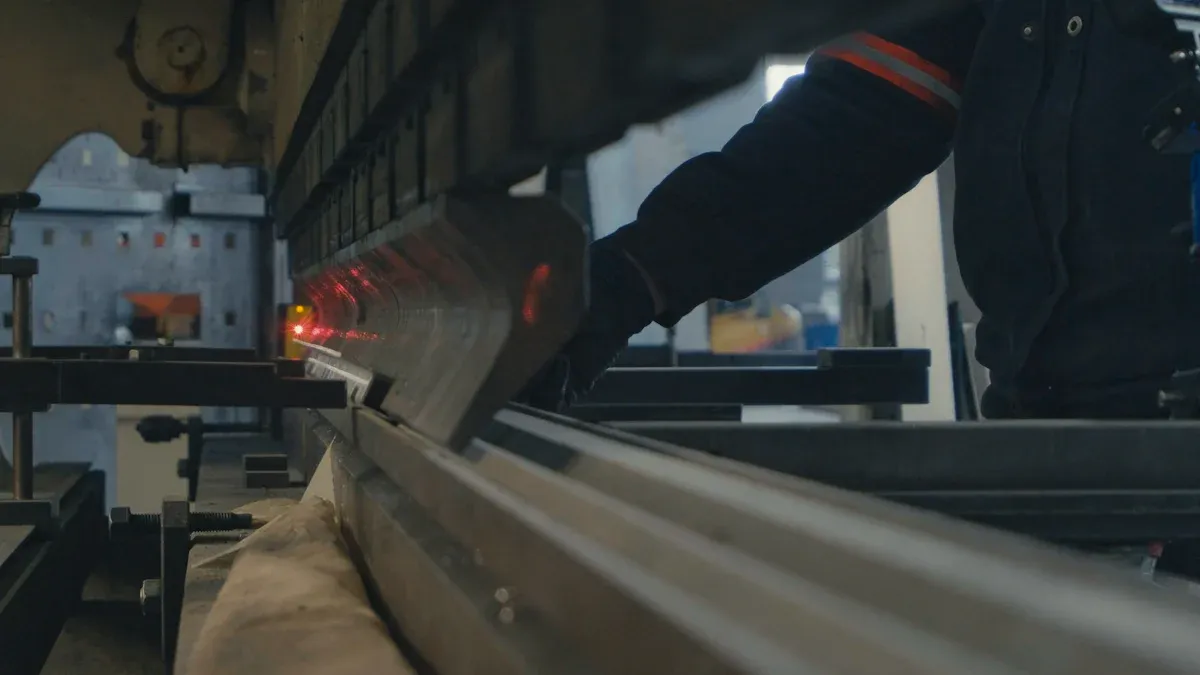
The main difference comes down to one job. A slitter rewinder cuts a wide roll into narrower strips. A roll rewinding machine only winds material onto new cores. One machine splits the width. The other just makes roll quality better.
This choice costs real money. The wrong machine creates needless costs. It also causes production slow-downs that delay every order that follows.
Four things set these machines apart. Product needs decide the output you must have. Mechanical structure decides what the hardware can really do. Tension control decides how tight and stable the roll is. Waste management affects material cost and efficiency. Each factor points to one machine type. Buyers who ignore even one factor may buy capacity they cannot use.
Key TakeawaysA slitter rewinder cuts wide rolls into narrow strips. A roll rewinding machine only makes rolls better in quality.
Pick a slitter rewinder for narrow specialty rolls. Pick a roll rewinding machine for jobs that only need length.
Slitter rewinders need special tension control for each strip. Roll rewinders use one tension zone for the whole web.
Slitting makes waste that must be trimmed off. Pure rewinding makes almost no waste at all.
Slitter rewinders cost more money. Roll rewinders are cheaper for simple rewinding jobs.
What you make decides which machine you need. A slitter rewinder slices one wide parent roll into many narrow films. Then it winds them onto cores. A roll rewinding machine just winds material again, with no cutting. It makes the roll better. The roll gets tighter, neater, smoother, and more steady. Slitting splits the width. Rewinding makes new finished rolls.
The table below shows how product needs point to each machine.
|
Product Need / Decision Factor |
Standard Roll Rewinding Machine |
Slitter Rewinder |
|---|---|---|
|
Order requirement (length vs. width) |
Reduces roll length only, width stays the same |
Adjusts both length and width |
|
Slitting capability |
No cross-cutting/slitting unit |
Precision pneumatic flat/rotary blade units |
|
Winding shaft structure |
Standard air-expandable shafts are sufficient |
Slip-differential shafts strongly recommended for flat, tight narrow rolls |
|
Waste edge handling |
Not required |
Edge suction and conveying system is a must-have |
|
Target market |
Standard 500mm hand-use/machine-use mass-market products |
Mini rolls, handle-extended rolls, strapping film |
|
Equipment investment cost |
Low |
High |
|
Application examples |
Courier stations needing lighter hand-wrap film (200–300m length) |
Hardware stores bundling pipes, furniture factories wrapping edges (100mm/250mm widths) |
A slitter rewinder is the right pick when customers need narrow-width specialty rolls. Hardware stores use 100mm or 250mm mini rolls to bundle pipes. Furniture factories use them to wrap edges. These buyers cannot use standard-width master rolls. The slitter uses precision blades to split the wide film into many narrow strips before rewinding. This is the main reason it costs more than a standard machine.
Advanced slitting equipment needs slip-differential shafts. Each narrow strip winds with its own tension control. This stops tight or loose rolls. Slitting also makes edge trim waste. A high-speed suction system must take it away. If not, the waste can wrap around rollers and break the film web.
Standard rewinding is picked when only the length changes and the width stays the same. A courier station may need lighter hand-wrap film at 200–300m length. The rewinder turns heavy machine rolls into these lighter rolls. The width stays the same. No blades are used.
A roll rewinding machine fits this job well. Standard air-expandable shafts work fine. No waste edge handling is needed. Equipment investment cost stays low. The operator just loads a roll, sets the target length, and starts the cycle. The finished roll comes off the machine tighter and more steady than the input roll.
Mechanical Structure of a Slitter Rewinder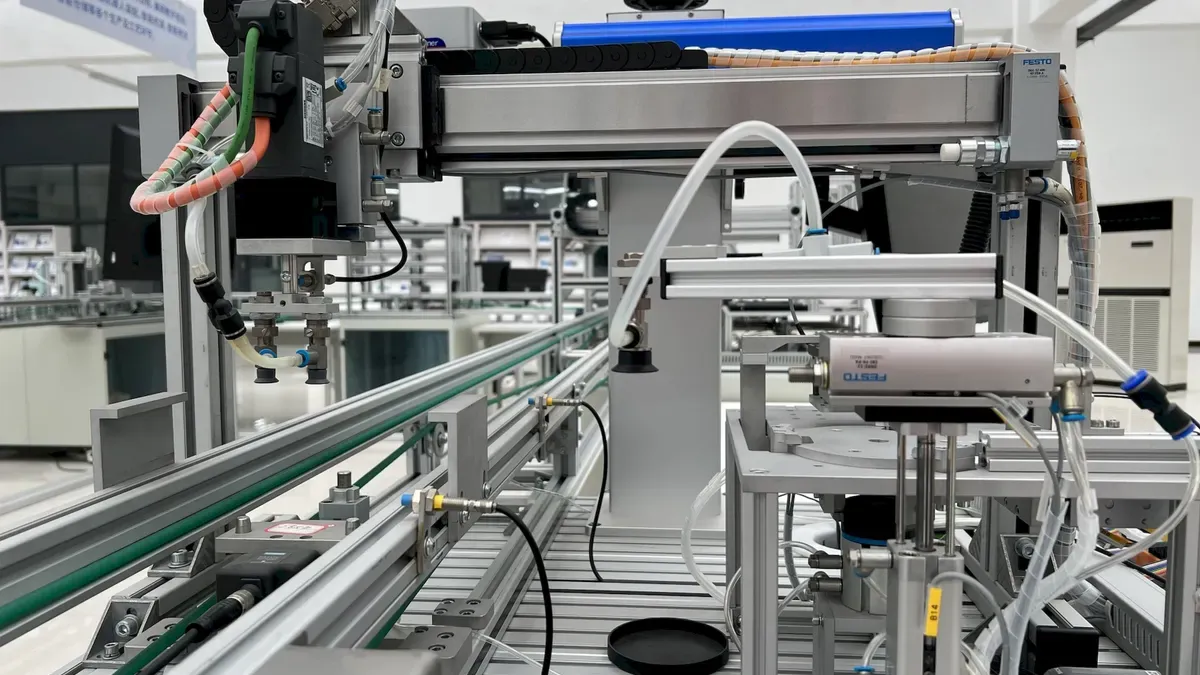
The parts inside a slitter rewinder machine all serve one goal: cutting a wide web into exact narrow strips and winding each strip into a finished roll. Every piece, from the unwinding unit to the control system, helps reach that goal.
The slitting blade system decides cut quality and width accuracy. There are two main cutting methods. Rotary slitting uses round knives that spin at high speed. This method works well for thin, flexible materials like films, paper, and non-woven fabrics. It runs fast and costs less to maintain. Shear slitting uses two circular knives that work like scissors, with a male top blade and a female bottom blade. The web feeds between them and splits along a vertical shear plane. This gives very clean edges with no fuzz or dust. Shear slitting works for thicker, harder materials such as rigid plastics and coated films. It costs more and needs more upkeep, but it gives higher precision.
A full slitting blade assembly also has automatic blade positioning, quick-change knife holders, and servo-driven mechanisms. These features let you adjust width digitally without stopping the line.
Dual rewind shafts let slitting rewinders wind several rolls at once. This design boosts output and cuts total production time. Operators change fewer rolls and deal with less downtime between cycles. The shafts also handle flexible roll sizes, so setup time drops when orders change.
Many slitter rewinders use slip-differential shafts. Each strip winds under its own tension. This slip-differential action stops tight or loose rolls across the web. Auto roll lock differential air shafts remove the need for spacers and allow quick unloading. Closed-loop tension control reads actual tension with load cells and adjusts torque on its own.
Roll width capability matters for specialty work. According to Elite Cameron, slitter rewinders can make finished rolls as narrow as 25mm (1 inch) on center winders. Center-surface winders set up for narrow-web converting reach 6mm (¼ inch). Universal Converting Equipment states its X3 Narrow Width Compact Slitter makes rolls greater than 10mm (greater than 0.39 inches). These slitting capabilities open markets for mini rolls and strapping film.
Mechanical Structure of a Roll Rewinding Machine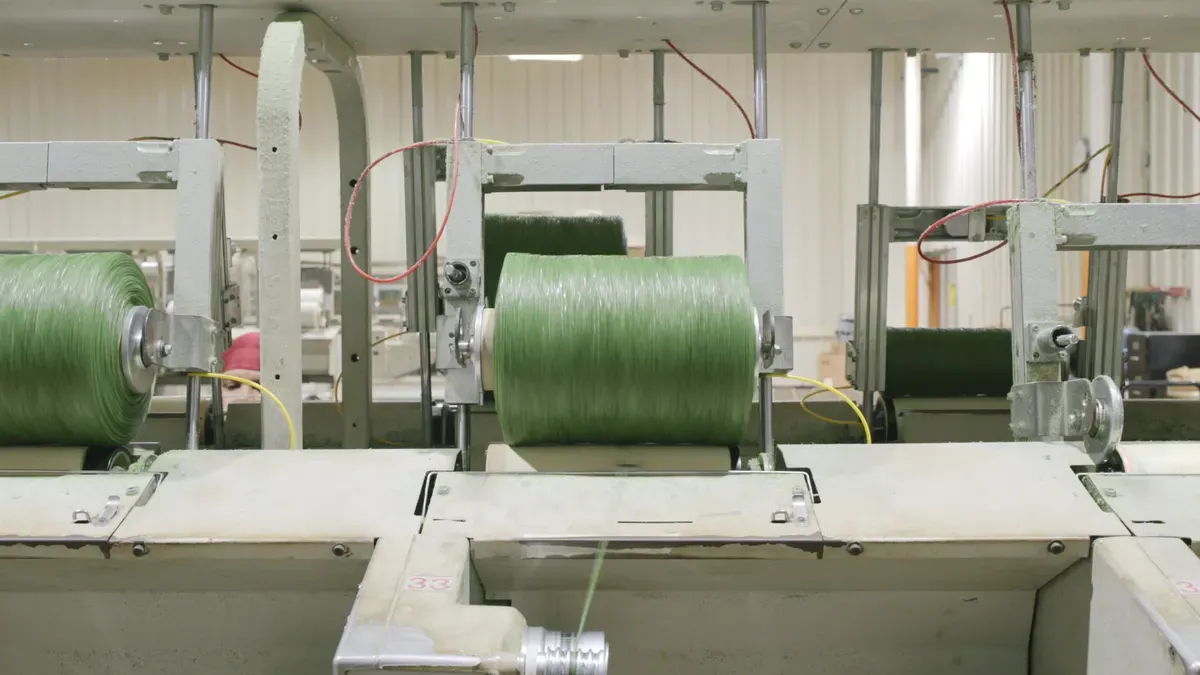
A roll rewinding machine has fewer parts than a slitting unit. The design still matters for roll quality. Six main parts run the process. The unwinder unit holds the parent roll and feeds material with steady tension. The rewinder unit winds that material onto cores with even tension and a smooth wrap. A guiding system keeps the web lined up using edge guides and sensor adjustments. The drive system powers and syncs every part. A control system manages speed, tension, and alignment in real time. The table below shows what each part does.
|
Component |
Function |
Features |
|---|---|---|
|
Unwinder Unit |
Holds and unwinds the raw material roll |
Shafted or shaftless structure with matched tension control |
|
Cutting Unit (optional) |
Cuts materials into narrower strips |
Circular, shear-type, or razor slitting |
|
Rewinder Unit |
Rewinds material into smaller rolls |
Center, surface, or combined rewinding |
|
Tension Control |
Maintains consistent tension |
Mechanical, magnetic, pneumatic, or servo-driven |
|
Drive System |
Powers and synchronizes components |
Variable-frequency or servo drives |
|
Control System |
Manages and monitors operations |
PLC control, touchscreen, alarms, stored parameters |
The rewinding shaft and core holder shape the finished roll. A standard rewinder uses air-expandable shafts. The operator slides a core onto the shaft, adds air pressure, and the shaft grips the core tight. This design works well for a single web. The core holder keeps the roll centered during the wind. A conventional rewinding machine of this type handles one width at a time. No differential slip is needed. The whole web winds as one unit.
A standard stretch film rewinder shortens film length. It does not change width. The machine takes a heavy parent roll and winds it down to a lighter finished roll. A stretch film rewinding machine with slitting capabilities can also cut the film into narrower widths. That added function separates it from a pure rewinder. A roll rewinding machine does not include slitting blades. This limit defines the machine class. Buyers who need narrow rolls for industrial logistics stretch film must step up to a slitter. Standard stretch film rewinders serve length-only jobs well. Stretch film machines without blades cannot split a wide web. The stretch film rewinder stays a length tool. Stretch film rewinders that add blades become slitters. That single change reshapes the whole machine.
Tension Control Systems ComparedTension control decides how tight, neat, smooth, and steady a finished roll turns out. Loose tension lets the web drift sideways and makes bad slit edges. Rolls telescope during shipping because loose layers slide around. Tight tension stretches material for good, crushes paper cores, and causes web breaks. Both extremes waste material and machine time.
A slitter rewinder runs several narrow strips at the same time, so each strip needs its own tension zone. Caliper changes across the web, which means nearby slit rolls grow to slightly different diameters. Tension equals torque divided by radius, so bigger rolls grab available tension while smaller rolls stay loose. This ruins batch consistency.
Slip-differential shafts fix this problem. These shafts run at a slight over-speed and use internal pneumatic friction rings. Each roll slips on its own, which keeps tension even across every strip despite diameter differences. A slitter also needs taper tension in the rewind zone. Tension must drop as the roll grows, or outer layers crush the core and create starring defects. The unwind zone needs dynamic torque reduction as the master roll shrinks. Without it, tension spikes snap or stretch the web.
A roll rewinding machine uses one tension zone for the whole web. The entire web winds as a single unit, so no differential slip is needed. Torque from the winding shaft is shared across the full width. This simple design works well when width stays constant.
Taper tension still matters here. The control system measures roll diameter and slows the rewind motor by a set percentage as diameter increases. This produces a natural tension progression. Too much tension creates over-tight rolls and material stretch. Too little tension creates loose rolls with poor integrity. Uneven tension between slit rolls causes different roll hardness and diameter variation. Unstable tension brings wrinkles, telescoping, and uneven edges. A rewinder without proper taper control cannot match the roll quality a slitter delivers on narrow strips.
Slitter Rewinder Machine: Waste ManagementWaste management is a clear way to tell these two machines apart. A slitter rewinder machine cuts material, so it always makes some waste. A pure rewinding machine does not cut, so it makes almost none. This gap affects material cost and production efficiency over time.
Slitting makes trim waste from several places. Edge trimmings come from the outer edges of the parent roll. Width changes create extra waste when operators switch the cut pattern. Bad strips and dust particles add to the total. Material lost during blade changes also counts. A slitter rewinder machine has to handle all these streams.
The table below lists the main waste sources and the reduction targets tied to them.
|
Waste source in slitting operations |
Quantity / target mentioned |
|---|---|
|
Edge trimmings / edge trim waste |
Included in overall waste reduction targets of 2–5% of total material input |
|
Defective sections / defective strips |
Included in overall waste reduction targets of 2–5% of total material input |
|
Dust particles |
Tracked and categorized through optical inspection, but no separate quantity given |
|
Material loss during blade changes |
Included in waste reduction goals, but no separate quantity given |
|
Overall waste reduction target |
2–5% of total material input; conservative target of 3–8% |
Modern operations track this waste with great care. LG Energy Solution has built complete electrode waste measurement systems for slitting work. These systems use real-time sensors and AI analytics to track material loss during cutting. The method combines weight checks before and after slitting with optical inspection. This helps spot and sort waste like edge trimmings, bad sections, and dust particles.
Poor waste control brings a real money cost. One manufacturing plant was losing almost 15% of raw materials to cutting waste. Cutting material waste is one of the best ways to save costs, boost efficiency, and get the most from raw materials. Even small gains in cutting efficiency can save thousands of dollars each year. Good waste handling lowers disposal costs. Recycling or reusing waste cuts spending on waste removal. Regular maintenance keeps blades sharp and alignment correct. This creates less excess waste and ensures accurate cutting.
Pure rewinding makes very little waste because no material is cut away. The full web width stays whole. The machine only moves material from a parent roll to a finished roll. No trim edges form. No bad strips appear from width changes. Slitter rewinders that cut narrow strips face waste streams that a pure rewinder never sees.
This low-waste profile shapes the buying decision. A slitter is the only choice when narrow rolls are needed. A roll rewinding machine is enough when only roll quality improvement is required. Buyers who pick a slitter for a length-only job pay for waste handling they do not need. Buyers who pick a rewinder for a narrow-roll job cannot meet the order at all.
Comparison Table: Key AttributesThe table below shows the two machine types next to each other. Each row covers one feature that helps you decide what to buy.
|
Attribute |
Slitter Rewinder |
|
|---|---|---|
|
Function |
Rewinds material to make roll quality better |
Cuts wide rolls into narrow strips and rewinds them |
|
Structure |
Standard air-expandable shafts, no blades |
Slitting blades, dual rewind shafts, slip-differential shafts |
|
Tension control |
One tension zone for the whole web |
Separate tension for each strip |
|
Waste |
Very little, no material is cut away |
Trim waste from edges and width changes |
|
Cost |
Low investment |
High investment |
A standard rewinder handles length-only jobs at low cost. A slitter costs more because it has blades, waste handling, and per-strip tension hardware. The price gap shows real machine differences, not marketing.
Slitter rewinders fit jobs that need narrow rolls from wide parent rolls. Hardware stores need 100mm mini rolls for bundling pipes. Furniture factories need narrow widths for edge wrapping. These buyers cannot use master-width rolls. A slitter with slitting capabilities splits the web and winds each strip onto its own core.
A roll rewinding machine fits jobs that only need better roll quality. A courier station may need lighter hand-wrap stretch film at 200–300m length. The width stays the same. No blades are needed. The rewinder tightens and smooths the roll without cutting anything away.
One machine sits outside this comparison. A roll sheeter cuts material into flat sheets, not rolls. Buyers who need sheets should not compare a sheeter against either machine here. The choice between slitting and rewinding only applies when the finished product stays in roll form.
Choosing Based on the Difference Between a Slitter Rewinder and a RewinderThe choice depends on whether slitting is required. A buyer who needs narrow rolls from a wide parent roll must pick a slitter. A buyer who only needs better roll quality can pick a standard rewinding machine. This single question settles most buying decisions before any other factor comes into play.
Business goals shape the final choice. Buyers should weigh several practical factors before signing a purchase order.
Define product and slitting requirements by comparing material thickness, web width, operating speed, and practical minimum slit width.
Match machine specifications to material type, thickness, width, diameter, and core dimensions.
Evaluate rewinding speed, tension control, and winding accuracy, since these directly affect product quality and reduce waste.
Check maximum unwind diameter, rewind diameter, shaft load, and knife quantity.
Consider differential winding, automatic tension adjustment, control interface, safety sensors, spare-part access, and changeover time.
Calculate total ownership cost across five to ten years, including blades, cores, electricity, calibration, scheduled service, rejected rolls, freight, and lost production.
Request a trial using actual materials, cores, and order sizes, and measure waste, changeover minutes, roll hardness, and operator adjustments.
These criteria apply to both machine types. A slitter needs more attention on blade systems, waste handling, and per-strip tension hardware. A standard rewinder needs more attention on shaft grip, taper tension, and core alignment. Buyers who compare blade systems, core handling methods, and changeover efficiency will spot productivity gaps when switching materials or roll sizes. Maintenance requirements, spare parts access, and technical support also matter. Total cost of ownership over five to ten years reveals the real price. Purchase price alone hides blade replacement, calibration, and lost production costs.
A slitter rewinder machine becomes the only option when the finished product must be narrower than the parent roll. Thin, flexible, non-woven materials often need this. Films, paper, and non-woven fabrics all fall into this group. These materials demand clean edges and exact widths. A slitter rewinders with rotary or shear cutting systems delivers both. Rotary slitting handles thin films at high speed. Shear slitting gives clean edges on coated films and rigid plastics.
Narrow-roll markets leave no alternative. Hardware stores need 100mm mini rolls for bundling pipes. Furniture factories need narrow widths for edge wrapping. Strapping film and handle-extended rolls also require narrow strips. A slitter rewinders with slitting capabilities splits the wide web and winds each strip onto its own core. No standard rewinding machine can meet these orders.
A roll rewinding machine is sufficient when only roll quality improvement is needed. A courier station may need lighter hand-wrap film at 200–300m length. The width stays the same. The rewinder tightens and smooths the roll without cutting anything away. No blades are needed. No trim waste forms. The investment cost stays low. Buyers who understand the difference between a slitter rewinder and a rewinder avoid paying for slitting hardware they will never use. They also avoid buying a machine that cannot meet a narrow-roll order at all.
The choice really comes down to whether you need slitting. A slitter rewinder cuts wide parent rolls into narrow strips. A roll rewinding machine only makes roll quality better. Before you decide, look at your product specs, production volume, and how much waste you can accept. The material type and thickness decide which blade technology and machine will work. If you run high volume without stopping, you want more automation. If your products change often, you want a machine that is easy to adjust. The total cost of ownership matters more than the first price you pay. Waste, downtime, and support all shape how the machine performs over time. Match what the machine can do to your exact converting needs. A machine that fits well makes your roll processing more efficient and protects every order that comes after.
FAQNo. A roll rewinding machine does not have slitting blades. It only winds material onto new cores to make roll quality better. If you need narrow strips, you must pick a slitter rewinder instead.
Center winders can make rolls as narrow as 25mm (1 inch). Narrow-web converting setups can reach 6mm (¼ inch). Universal Converting Equipment says its X3 Narrow Width Compact Slitter makes rolls greater than 10mm.
Yes. Edge trimmings, width changes, and bad strips all make trim waste. Modern operations aim for a 2–5% waste reduction against total material input. Pure rewinding cuts nothing away, so it makes almost no waste.
A roll rewinding machine fits this job. The station needs 200–300m rolls at the same width. No blades are needed. The rewinder tightens and smooths the roll without cutting anything away.
Yes. A slitter rewinder does both tasks in one pass. It splits the wide web into narrow strips and winds each strip onto its own core. A standard rewinding machine cannot slit, so it only handles length-only jobs.
"4mmx2mm Disc Magnet" from S****** received 4 quotation(s)