Date: 2026.10.16 Click: 15
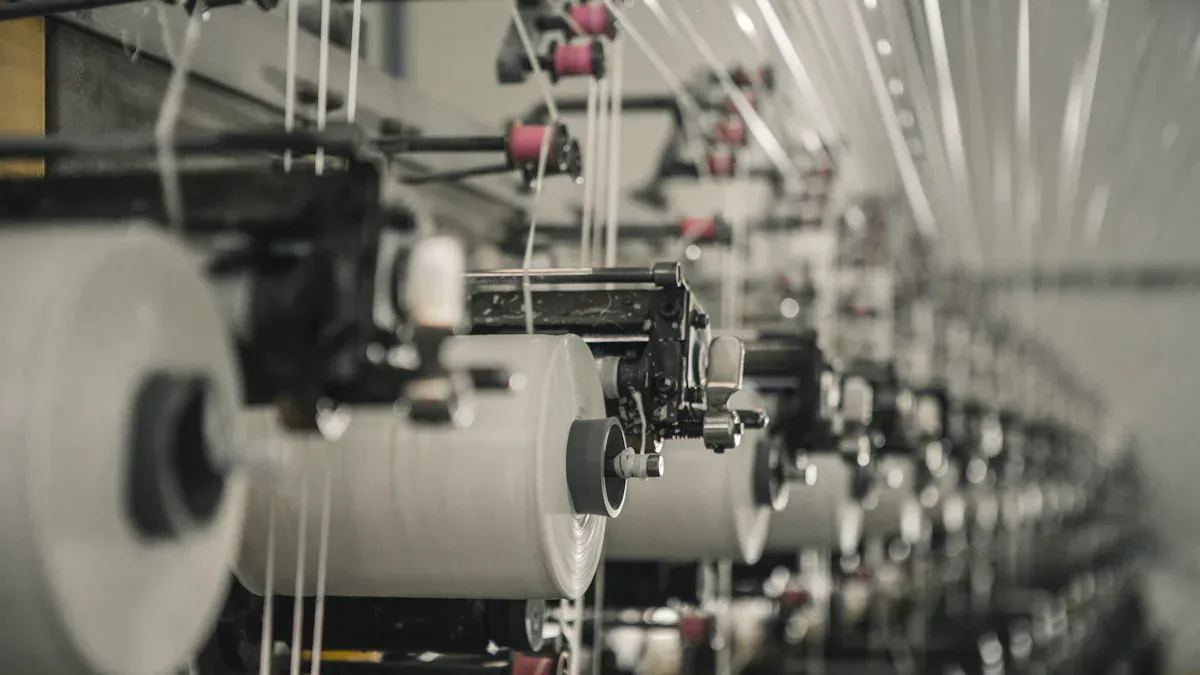
An Abel rewinding machine is a special industrial tool. It moves material from a large parent roll to smaller, finished rolls. This machine unwinds, controls tension, and rewinds materials like paper, film, or cables. It plays a key role in the converting process. The rewinding step makes sure materials are packaged into manageable sizes for further use. Operators depend on these systems for consistent output. The automatic cycle handles paper, plastic film, and even cables and wires. Each machine delivers reliable quality across many industries. This equipment supports efficient production for wires, packaging, and more.
Key TakeawaysAn Abel rewinding machine takes material from big rolls and moves it onto smaller rolls.
It manages tension to keep the rolls firm and stop damage.
The machine works with paper, film, cables, and wires in a very exact way.
Automated systems save time and cut down on waste in production.
Rewinding the right way makes it easier to store, ship, and handle.
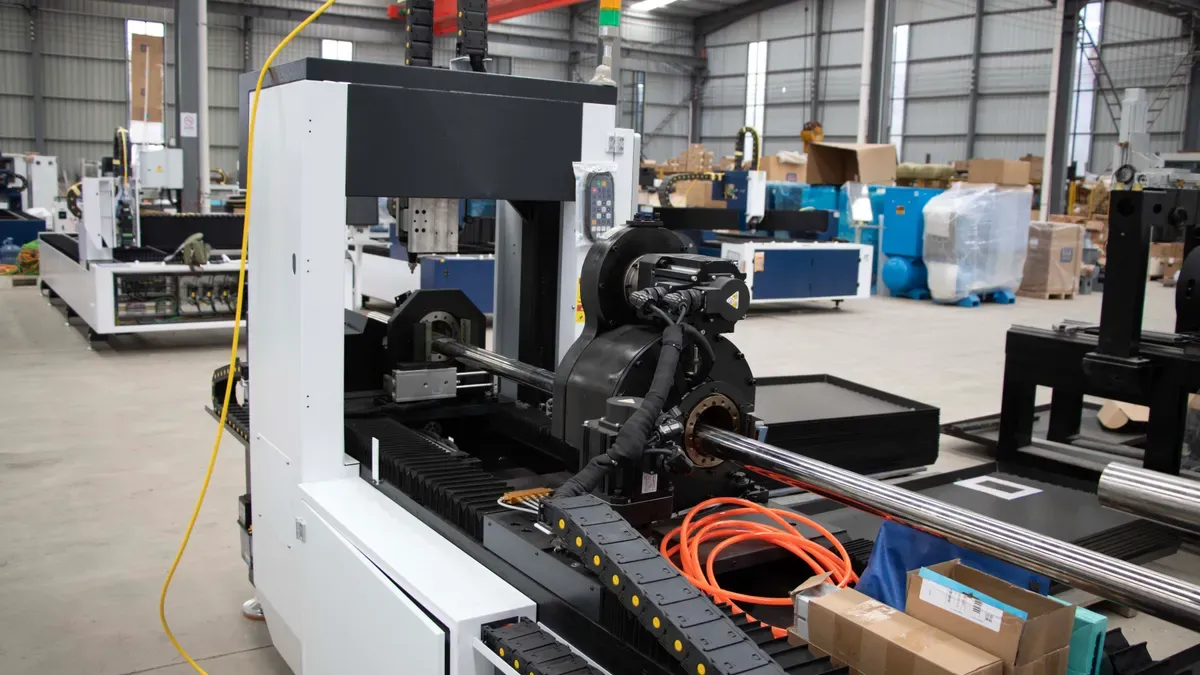
An abel rewinding machine is a web-handling system. It takes a big master roll, called a parent roll, and moves the material onto smaller cores. This step is called rewinding. The machine unwinds the master roll at one end. Then it winds the material onto new cores at the other end. After that, the operator can ship or store these smaller rolls for later use.
The main job of this equipment is simple. It controls the flow of flexible materials from a bulk supply to finished, usable rolls. A rewinder must keep steady speed and tension during the whole run. If tension drops too low, the roll gets loose and wrinkled. If tension runs too high, the material may stretch or tear. The abel rewinding machine fixes this problem with precise control systems. These systems keep the web flat and tight from the first wrap to the last.
This type of machine is part of a larger family of reel unwinders and rewinders. Each unit in this family handles one stage of the converting line. Some units unwind. Others rewind. The abel rewinding machine does both actions in one continuous operation. That design saves floor space and cuts down handling time.
Every abel rewinding machine depends on four main components. Each part has its own role in the winding process.
Unwind stand: This holds the parent roll and releases material at a controlled rate. The stand may use a shaft, a chuck, or a shaftless design.
Web guide: This device keeps the moving material in line. It stops the web from drifting left or right as it moves through the machine.
Tension control system: This system checks and adjusts the pull on the material. It may use dancers, load cells, or magnetic brakes. The goal is steady tension at every speed.
Rewind shaft: This holds the new cores and collects the finished rolls. The shaft may be driven or surface-driven, depending on the material.
These machines come in three levels of automation. A manual unit needs an operator to load cores, thread the web, and cut the material by hand. A semi-automatic model handles some steps on its own. A fully automatic rewinding machine runs the whole cycle without manual contact. Automatic rewinding machines can load cores, thread the web, wind the roll, cut the material, and unload the finished roll. This level of automation lowers labor costs and improves safety.
Modern units also offer slitting. A slitter cuts the wide web into narrower strips before the winding stage. This feature lets one parent roll become many finished rolls of different widths. The machine handles paper, film, cables and wires, and many other materials. Each application needs its own tension profile and core size. Operators can save these settings in the control system for quick changeover.
The quality of the finished roll depends on the winding technology inside the machine. A good system makes tight, straight rolls with no telescoping or starring. Poor winding creates waste and slows downstream processes. That is why buyers study the components and automation level before they purchase any unit.
How Does the Rewinding Process Work?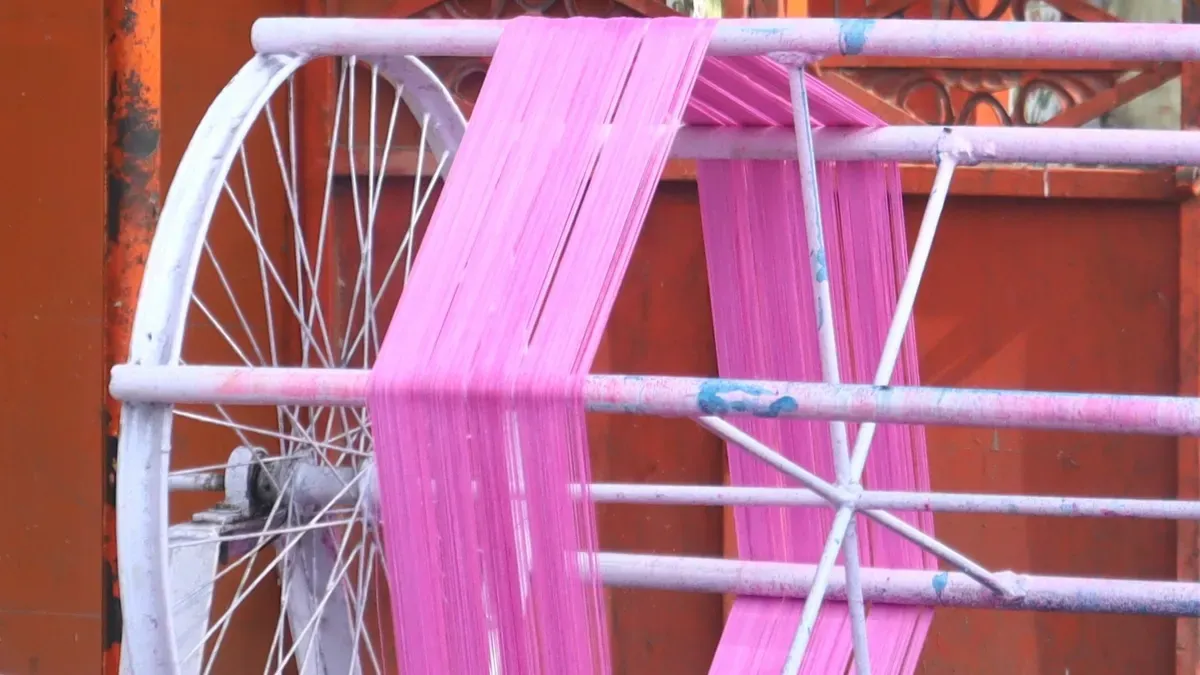
The process begins when an operator puts the parent roll on the unwind stand. Then, the operator feeds the web through the guide rollers and onto the new core. After that, the system sets the tension to fit the material type. At last, the machine winds the material onto the core at a steady speed.
An automatic system does these steps with almost no human help. The tension arm is very important in this cycle. When the printer pushes media forward, the tension arm goes up and the device unwinds the media on its own. When the tension arm stays in the middle, the device does not move. When the printer pulls the media backward, the tension arm goes down and the device rewinds it by itself. An outside 100/240VAC - 2.5A at 24V power supply lets an electronic circuit adjust rotation direction and speed through the tension arm. This automatic control keeps speed and tension steady during the whole run.
Slitting options add another step to the process. A slitting attachment cuts the wide web into narrower strips before rewinding. The table below shows key specifications for an integrated slitting and rewinding system.
|
Feature |
Specification |
|---|---|
|
Slitting attachment |
Rotary & Normal Shear Blade Slitting attachment |
|
Rewinding system |
Up & Down Rewinding System (Rewinding Roll ø450MM Max) |
|
Tension control method |
Rewinding Unit Tension Controlled by Mechanical Clutch System |
|
Rewinding direction |
Forward & Reverse Rewinding Direction with Switch Control |
|
Core size options |
1", 1.5", 3" Core on Rewinding with Selection on Touch Screen |
|
Slitting/Nip roll motor |
1 HP AC Variable Speed Control Motor |
|
Rewinding motor |
1 HP AC Variable Speed Control Motor |
|
Drive control |
Both motors operated by individual Variable Frequency Drive (Schneider) |
|
Machine control |
Electronic PLC System (Schneider) |
|
Mechanical speed |
100 m/min |
The integrated slitting and rewinding machine with inspection ensures efficient roll conversion, accurate tension control, and smooth rewinding, making it suitable for high-volume production environments.
Tension control is what makes a roll good or bad. The abel rewinding machine uses dancers, load cells, or magnetic brakes to keep the right pull on the web. A cable dancer system does the same job for cables and wires. It takes in sudden speed changes and keeps the material flat.
Web guides keep the moving material in line. They stop the web from drifting left or right. This matters most when the machine runs at high speed. A small drift can cause wrinkles or telescoping in the finished roll.
The winding technology inside the machine also affects quality. A mechanical clutch system controls tension on the rewinding unit. Variable frequency drives run each motor at its own speed. An electronic PLC system connects all these parts together. Operators pick core sizes on a touch screen. They can switch between forward and reverse rewinding direction with a simple control.
For cables, rewinding makes sure they spool right for shipping and installation. The machine measures length as it winds. This measuring step lets operators cut the material to the right length. They can also cut to order for custom jobs. The same systems work for paper, film, and smaller reels of finished product. Each material needs its own tension profile. Operators save these settings for quick changeover.
The automatic cycle cuts waste and boosts efficiency. Tight rolls are easier to handle in downstream processes. Steady tension stops stretching and tearing. These benefits apply across paper converting, plastics, and wire manufacturing. A well-tuned machine gives reliable output every shift.
Why Is It Used? Applications and BenefitsThe abel rewinding machine works for three big industries. Paper converting plants use it to change jumbo rolls into store-sized rolls. Plastics makers count on it for film and flexible packaging. Wire and cable plants need it for cables and wires of all sizes.
Paper and film are handled in much the same way. Both materials are thin and bend easily. Both need steady tension so they do not wrinkle. A converter can run one parent roll through the machine and make many finished reels in a single shift.
Cables are not the same. A cable is stiff and heavy. It needs a cable coiling machine or a rewinder made for hard material. These machines handle cables for power lines, data networks, and factory equipment. The operator puts a large drum on the unwind stand. Then the machine pulls the cable through a dancer system. This system takes in speed changes and keeps the cable flat. Finished cables go onto smaller drums or coils for shipping. Good spooling is key for cables because a bad wrap can kink the cable during setup. The same idea applies to wires used in electronics and appliances. A tangled coil of wires wastes time at the job site. A clean coil saves it.
Rewinding gives three main benefits. First, it makes tighter rolls. Tight rolls hold up better during storage and transport. Second, it cuts waste. The machine trims damaged edges and takes out bad sections. Third, it makes handling easier. Small rolls are simpler to lift, move, and load onto other equipment.
Consistency is what separates good production from great production. An automatic system keeps speed and tension steady through the whole run. Every roll comes out the same size and density. Operators trust this repeatability for cables, wires, and film alike. Measuring systems track length as the material winds. This feature lets the operator cut to order. Cutting accuracy matters most for cables and wires sold by the foot.
Reel unwinders and rewinders work as a team on the production line. One unit feeds material in. The other collects it. Together they keep the line running without stops. For cables, this teamwork makes sure spooling is right for shipping and setup. The winding process also protects quality. A well-wound coil will not tangle or kink. That reliability keeps customers coming back.
An abel rewinding machine moves material from big parent rolls to smaller finished rolls. It unwinds, controls tension, and rewinds paper, film, cables and wires with precision. The process starts by loading the parent roll and threading the web. Operators then set tension and let the automatic cycle wind material onto new cores. Tension control keeps rolls tight and stops damage. These systems give efficiency, consistency, and versatility across many industries. For cables, proper spooling protects wires during shipping and installation. The machine cuts waste and makes handling easier. Its repeatable quality makes it a valuable tool for paper converting, plastics, and wire manufacturing.
FAQThis machine works with paper, film, cables, and wires. Paper converting plants use it to resize jumbo rolls. Plastics makers depend on it for flexible packaging. Wire and cable plants need it for spooling. Every material needs its own tension profile and core size.
Tension control systems use dancers, load cells, or magnetic brakes. These systems adjust the pull on the material when speed changes. Steady tension stops wrinkles, stretching, and tearing. The automatic cycle keeps tension the same from the first wrap to the last.
Yes. Measuring systems track length as the material winds onto the core. This feature lets operators cut to order for custom jobs. Cutting accuracy matters most for cables and wires sold by the foot. The machine stops at the right point every time.
The machine makes tighter rolls that hold up during storage and transport. It cuts waste by trimming damaged edges and removing bad sections. Small rolls are easier to lift and load onto other equipment. Consistent quality makes the output reliable every shift.
No. Manual units need an operator to load cores and cut material by hand. Semi-automatic models handle some steps on their own. Fully automatic systems run the whole cycle without manual contact. They load cores, thread the web, wind, cut, and unload finished rolls.
"4mmx2mm Disc Magnet" from S****** received 4 quotation(s)