Date: 2026.10.15 Click: 17
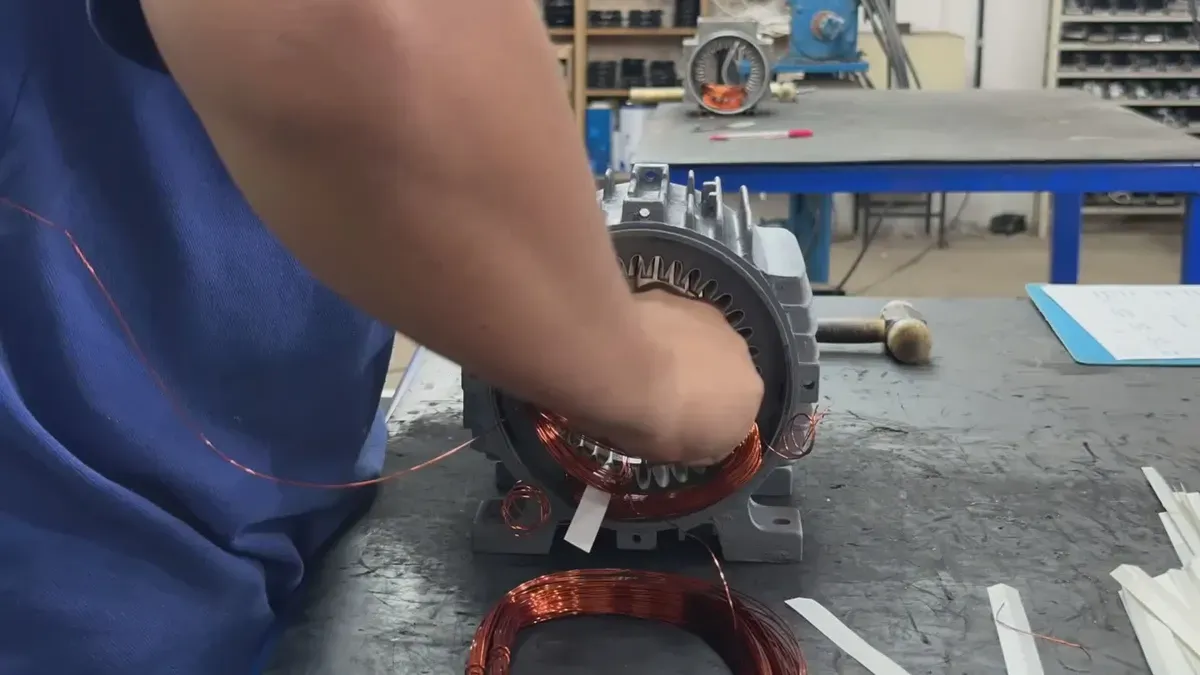
An adhesive tape rewinding machine changes a large BOPP jumbo roll into finished tape rolls of set widths. For each job, you do the full series: mount the roll, thread the tape, line up the blades, and set tension. Correct threading, blade alignment, and tension control decide roll quality. Any mistake causes telescoping rolls, wrinkled tape, or uneven edges.
You also set the rewinding length for each finished roll, check roll quality while the machine runs, and take off finished rolls when they reach size. Safety matters at every step. You work near spinning shafts, sharp blades, and film under tension. Daily checks and regular maintenance stop small problems before they hurt production.
Key TakeawaysThe way you set up the machine decides how good the rolls will be. Always mount the jumbo roll, thread the tape, align the blades, and set the tension.
Tension control stops problems like telescoping and wrinkles. Use a 30–40% taper. Adjust one setting at a time.
Clean edges need sharp blades. Check slitting blades every day. Change dull or damaged knives right away.
Watch finished rolls during every run. Check that the faces are flat and the wraps are tight. Remove the rolls when they are ready.
Daily maintenance keeps workers safe and production steady. Check blade wear, air shafts, and sensors every shift. Write down every blade change.
The process of how to produce BOPP adhesive tape follows a fixed order. This process produces carton-sealing tape in multiple widths from one wide reel. A BOPP tape slitting rewinding machine converts jumbo rolls into a finished carton-sealing tape roll. It combines unwinding, slitting, web guiding, and winding onto cores in one continuous run. You must complete these four actions in the same order on every job.
Master jumbo rolls commonly arrive in widths of 980, 1010, 1270, 1280, or 1620 mm. Custom widths range from 500 to 1600 mm. The film thickness is usually 23–50 µm. Adhesive thickness is 10–30 µm. Total thickness is 35–60 µm. A parent roll can hold 4000–8000 m of tape. These figures tell you how many finished tape roll widths you can cut from one reel.
Start with the master jumbo roll on the unwind shaft. Support its full weight and core diameter. A loose core can create uneven pull. Lock the shaft before you spin it. Confirm the unwind brake is engaged.
Thread the tape along the guide rollers. Follow the order marked on the machine frame. Keep the web path straight from the unwind shaft to the cutting station. If you skip a roller, the web will wander. A wandering web produces wrinkles before the film reaches the blades.
The standard conversion sequence is:
Unwinding – Pay out the wide web at a steady speed. The unwind brake controls back pull.
Cutting – Cut the web into narrow strips with precision circular knives. Knife spacing sets the finished width.
Web guidance – Guide rollers and edge sensors keep each strip running true. This step prevents lateral movement.
Winding – Wind each strip onto a core using controlled pressure and a taper profile. This forms a tight, cylindrical tape roll.
Safety comes first during setup. Keep your fingers clear of the blades. Wear cut-resistant gloves when you reach into the machine. Shut off the drive before you touch any moving part.
Before the run, position the slitting blades with a spacer gauge. Set the gap to match the finished tape width. Lock each holder firmly. Check the blade edge against the anvil roller along its full contact line.
Tension control determines final roll quality. The key tension-related settings are unwind back pull, nip pressure, and taper tension. Work from the manual values and adjust in small steps. Make one change at a time and inspect the result.
The taper should decrease as the roll grows. This cushions inner layers and keeps the roll face flat. An excessive taper drop causes telescoping. The common fix is to increase the starting pull and reduce the taper percentage slope. Use a closed-loop taper tension system for this film. A closed-loop system adjusts the taper automatically during the run.
Verify hardness across the roll face with an electronic Schmidt hammer. Hardness should decay smoothly from core to outer layer. Sudden drop-offs mean the taper profile is wrong.
Check the cutting blades daily. Dull cutting tools tear the film and leave rough edges. Replace a damaged tool immediately. Keep a log of blade changes and machine settings for each product.
Running a BOPP Tape Slitting Rewinding Machine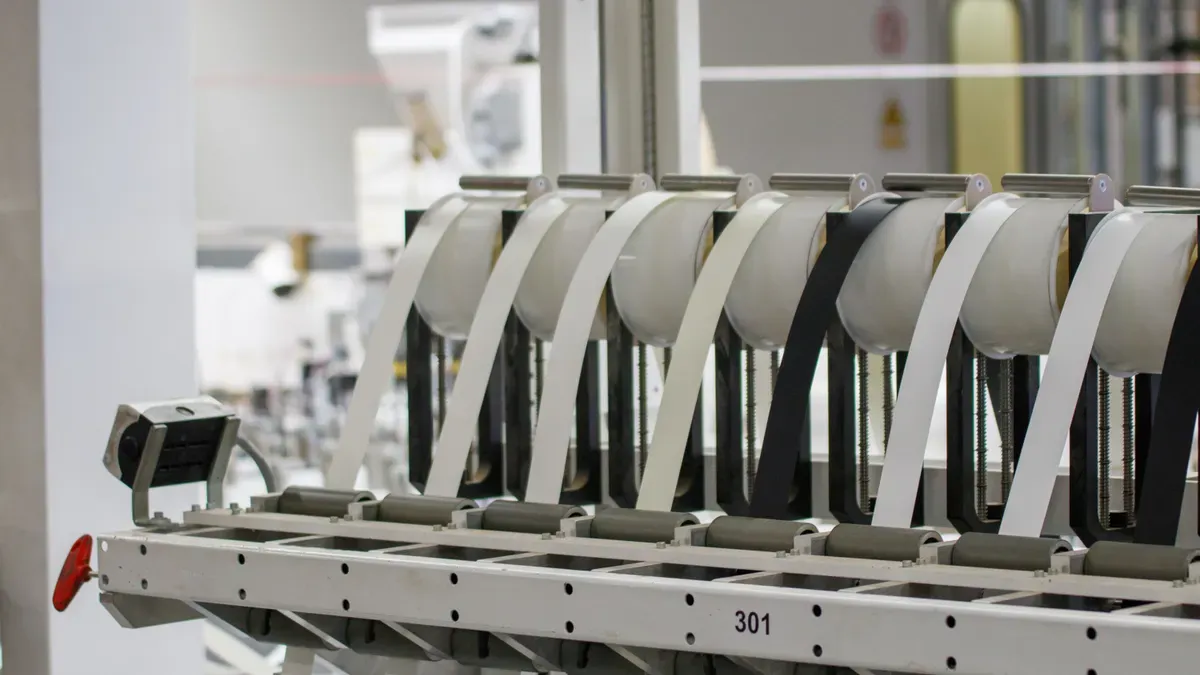
This machine pulls film off jumbo rolls, cuts it into strips, and winds those strips onto cores in one continuous run. One parent reel can make BOPP tape in many widths. A central control panel lets you change every setting quickly. Setup takes only minutes, and changing rolls is fast. You can set the finished length by hand, or let the PLC stop the machine on its own.
Starting a BOPP tape slitting rewinding machine follows a simple checklist. Before you start, do three checks. Confirm the BOPP jumbo roll sits correctly on the shaft. Secure it firmly. Position the knives to match the tape width you need. Straight blades produce clean edges. Set the web tension. Too much pull warps the finished roll. Too little pull causes loose winding. These checks prevent most common defects.
After those checks, follow the startup order:
Turn on power. Reset the emergency stop. Set the machine mode to Run. Check that voltage and current are steady. Check the hydraulic oil level and pressure. Confirm air pressure is at least 6.0 bar.
Enter the material and job information. Write down the tape type, thickness, length, and width. Set the winding length and width. Choose the winding station. Adjust the pressure roller. Put in the correct paper cores.
Thread or splice the film. If there is no film on the machine, tie the film end to the threading chain. Run the threading device. If film is already there, use the vacuum splicing table. Attach the new roll with double-sided tape.
Prepare the machine. Make sure paper cores and pressure rollers are ready. Set the anti-static bars to AUTO. Turn on READY TO RUN. Start MACHINE RUN.
Set the rewinding length before the run. In automatic mode, enter the target meter count. The machine stops at that value. In manual mode, watch the counter and press MACHINE STOP. Automatic mode is good for long runs. Manual mode works for samples and special orders.
While the machine runs, watch the rewind shaft. Contact pressure, bowed rollers, and edge traction rollers affect final quality. Adjust them in small steps. Watch the edge guide to stop side movement and telescoping. Balance slitting speed with unwinding tension. High speed shortens cycle time but stresses the film. Keep values inside the recommended range.
Check finished rolls as they reach the right size. A finished roll should have a flat face and tight, even wraps. Run your hand across the surface. A rough edge means a dull blade. Stop the line and check every blade. Replace damaged blades right away. This routine is real quality control, and it saves the whole batch.
When the preset length makes the machine stop, use the Unload Film function. Cut and tape each roll. Release the chucks. Remove a stuck roll, then load new cores. Use MACHINE STOP for a normal stop. Use EMERGENCY STOP only for a fault or accident.
Repeat this routine for every job. Steady monitoring gives uniform rolls. The adhesive tape rewinding machine needs your attention. This machine rewards careful operation. The same logic works for BOPP tape slitting rewinding machines across a plant. BOPP tape production lines run smoother when you follow the sequence. In short, careful operation prevents defects and protects safety on every shift.
Key Features of an Adhesive Tape Rewinding MachineThe right machine sets your daily output. A modern slitter-rewinder combines automation, precision, and speed to make even rolls and easier operation.
PLC control runs the whole cycle. You type the finished roll length on a touchscreen. The controller counts the meters and stops the line at the right number. Saved recipes set all settings. This makes every roll the same.
Tension control systems guard roll quality. Closed-loop tension control reads sensors along the web path. The controller changes motor power during the run. It keeps stretch-sensitive BOPP film flat and steady. This stops wrinkles, edge curl, and uneven roll density.
Pick tension values from your product recipe. The unwind brake and nip pressure act as a pair. As the roll grows, the taper percentage drops. Excessive tension squeezes inner layers. Low-tension winding lowers compression and stops blocking.
Speed sets your production capacity. Pick a machine class to match your target output:
|
Machine class |
Speed range (m/min) |
|---|---|
|
Standard slitter-rewinder |
0–180 |
|
Separate rewinder winding module |
0–100 |
|
High-speed integrated line |
350–500 |
A standard BOPP tape slitting rewinding machine belongs in row one. High-speed lines suit big plants. Faster machines shorten cycle time but need steady material quality.
Setup speed matters. Quick roll changes and automatic length control cut downtime. You enter the meters needed, and the PLC stops the line when the roll finishes. Automatic mode suits long runs. Manual mode is for samples.
The rewinding module uses contact pressure on each roll. At the start of each shift, check the slitting blades. Clean edges need sharp blades. Dull tools rip the film. Change a damaged tool before it ruins a batch.
The machine frame takes jumbo rolls up to its rated width. Mount a fresh reel, align the web, and start again. Automation also helps safety. Emergency stops and guard interlocks protect operators. These features keep people and finished rolls safe.
Wrinkles, telescoping, and uneven slitting appear quickly during production. You can fix all three when you find the root cause.
Telescoping rolls happen when outer layers slide sideways. The usual trigger is inconsistent tape tension. Use a taper profile that lowers rewind tension as the roll diameter increases. Start at the target tension, then reduce the pull steadily as the roll builds. This stops outer layers from compressing inner layers. If slippage persists, inspect the web guiding system. A wandering web creates wrinkles before the film reaches the blades.
Uneven slitting signals blade failure. Examine each blade under magnification. Check for micro-cracks, burrs, or chipping. Replace blades as soon as edge chipping appears. Wipe blades with alcohol to remove adhesive residue. Resharpening and regrinding limits depend on the blade material and manufacturer recommendations. Recurring rough edges call for checking blade sharpness, spacing, and alignment. Melt beads call for reducing line speed.
Web misalignment also distorts rolls. Check the rewinding shaft for slippage. Confirm the edge guide tracks without lateral movement.
Daily checks keep the adhesive tape rewinding machine stable. Inspect the slitting station after every shift. Pair them with a documented routine. Use this schedule:
|
Frequency |
Key checks |
|---|---|
|
Daily |
Blade wear, air shaft inflation, basic inspection |
|
Weekly |
Roller surface, bearing noise, sensor response, guard interlocks |
|
Monthly |
Lubricate guides, inspect belts, clean electrical cabinet |
Keep critical spare parts on hand. Stock knives, bearings, sensors, belts, and fuses. Clean the unwind shaft when you mount jumbo rolls. Act fast on abnormal vibration, bearing noise, or tension fluctuation.
The bopp tape slitting rewinding machine also needs tension control across every run. Clean the tension sensors weekly. Verify the brake responds without delay. Document each check and record blade changes. That log becomes your quality control record. Proper maintenance protects safety and keeps the line moving. Regular blade care extends uptime and keeps finished rolls uniform.
Good operation needs a clear, repeatable sequence. Mount the jumbo roll, set the tension and slitting parameters, then start the machine. Watch the run, remove the finished rolls, and check roll quality before the next cycle begins.
Blade alignment stops wrinkles, loose rolls, and uneven tape edges. Sharp blades make clean edges. Replace damaged blades quickly.
Follow the machine manual closely. Use a daily checklist. Fix small problems before they hurt the whole run. Regular training and routine maintenance keep your adhesive tape rewinding machine safe and productive. BOPP production rewards careful attention. Safety depends on your actions at each step.
FAQTelescoping happens when tension changes during a run. Use a taper profile that lowers rewind tension as the roll diameter increases. Start at the target tension, then reduce the pull steadily as the roll builds. Check the web guiding system.
Inspect them daily. Replace a damaged tool immediately. Resharpening and regrinding limits depend on the blade material and manufacturer recommendations. Watch for chipping and replace the blade as soon as chipping appears.
Use automatic mode for long runs. Enter the target meter count on the PLC touchscreen. The machine stops at that value. Manual mode works for samples and special orders. Watch the counter and press MACHINE STOP.
Walk around your BOPP tape slitting rewinding machine before each shift. Inspect knife wear, air shaft inflation, and sensor response. Clean tension sensors weekly. Store spare parts nearby. Replace worn belts and fuses. Log every knife change.
"4mmx2mm Disc Magnet" from S****** received 4 quotation(s)