Date: 2026.10.09 Click: 20
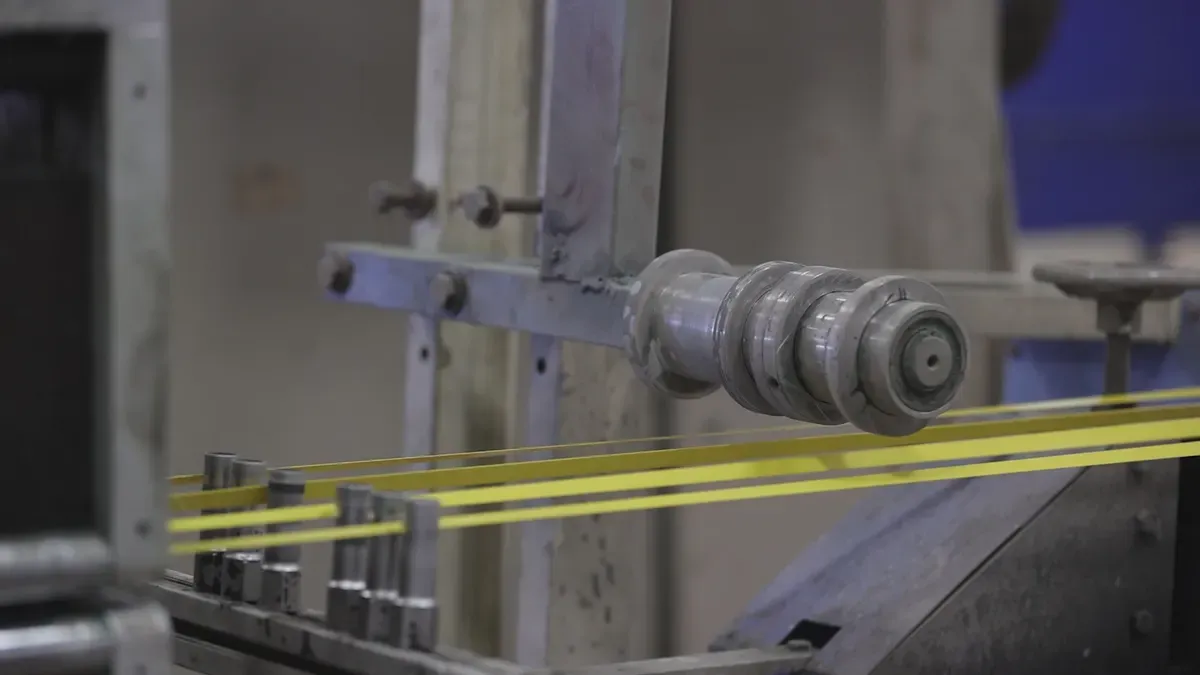
A rewinding machine unwinds a big parent roll and rewinds the material onto a new core as smaller, tighter, or differently shaped rolls. This article explains how it works, the main types, and where these machines are used. It also gives a preview of the three main stages: unwinding the parent roll, controlling tension and handling the web, and rewinding the finished roll. Readers will learn how each stage affects roll quality and production speed. The discussion then covers common machine types and the difference between a rewinding machine and a slitter rewinder machine. This knowledge helps buyers and operators match equipment to their material and output needs.
Key TakeawaysA rewinding machine changes large parent rolls into smaller, easier-to-handle rolls for different industries.
Tension control is key to making clean, even rolls without wrinkles or crushed cores.
The rewinding process has three main steps: unwinding, tension control, and rewinding.
Different kinds of winders (surface, center, turret) work best for different materials and production needs.
A slitter rewinder cuts and rewinds in one pass, perfect for making narrower rolls from wide master rolls.
A rewinding machine is a converting device that takes a large master roll and controls the web's tension. It then makes smaller rolls or puts the material onto new cores. The machine winds materials like paper, film, foil, tape, or fabric into a smaller roll or a certain shape. Its main job is to make clean, evenly wound rolls without problems like wrinkles, telescoping, or core damage. These finished rolls are then ready for printing, coating, slitting, laminating, or shipping.
The main goal of rewinding is to turn large parent rolls into smaller, easier-to-handle rolls for business or industrial use. This process cuts down on manual labor and wasted material while making sure rolls are wound the same way every time. A map-printing press might only take 40-inch rolls, but the mill ships 80-inch rolls. Rewinding fills that gap by quickly resizing the material. In the same way, a bag-making machine might need 36-inch kraft rolls instead of the 96-inch mill jumbo. Rewinding gives exactly that.
When someone asks what a rewind machine is, the answer centers on this resizing function. The equipment handles roll-based material across many industries. Paper converters process kraft paper, duplex paper, thermal paper, and tissue paper. Flexible packaging operations run BOPP, PET, CPP, and multilayer laminates. Aluminum foil producers handle household foil, pharmaceutical foil, and industrial foil. Label and adhesive manufacturers work with self-adhesive labels, release liners, and tapes. Nonwoven producers process hygiene products, medical fabrics, and industrial materials.
A rewinding machine depends on several key parts working together. The unwind stand holds the parent roll and lets it turn as material feeds forward. A web guide system keeps the moving sheet lined up, which stops edge fray and width errors. Tension control units keep the right pull on the material. These units use brakes, dancers, or load cells to adjust force as the roll diameter changes. The winding shaft carries the new core and turns it to build the finished roll. Core chucks grip the core tightly so it does not slip during winding.
These parts form a complete system for checking rewinding machine performance. Operators watch tension, alignment, and roll build to catch defects early. A well-run rewinding machine makes rolls that meet customer specs for width, diameter, and tightness. The same rules apply to slitter rewinders, which add cutting blades to the process. For anyone checking rewinding machine output, the goal stays the same: clean, even rolls ready for the next production step. Teams checking rewinding machine quality look for wrinkles, air bubbles, and printing misalignments before shipping.
Function of Rewinding Machine in Roll ConvertingThe main job of a rewinding machine is simple: it turns huge parent rolls into smaller, easy-to-use rolls for the next step. Paper mills send out jumbo rolls that are many feet wide. Printing presses, bag machines, and label applicators cannot handle rolls that big. Rewinding fixes this problem. It makes rolls with the correct width, diameter, and tightness for what comes next.
This resizing step also guards the quality of the material. If a roll sits too long or moves without good winding, it can get wrinkles, crushed edges, or loose layers. Rewinding makes a strong package that can handle shipping, storage, and unwinding. Workers who check rewinding machine output look for these flaws before sending rolls out. Slitter rewinders follow the same idea, but they also cut the width. If you ask what a rewinding machine does, the short answer is: it makes big rolls easy to use.
Tension control matters most for making good rolls. If tension is too low, layers slip and cause telescoping, meaning the roll's layers move sideways and make an uneven surface. If tension is too high, outer layers press on inner layers and push them sideways. Slick films and coated papers are very likely to have these problems. Operators usually set taper tension between 25% and 50% while winding. The exact number depends on how slippery and stretchy the material is.
Good tension also stops wrinkles, starring, telescoped rolls, and crushed cores. For stretchy films, tension is the main way to control how hard a roll is. More tension and stretch make harder rolls. The winder sets hardness using the TNT principles: Tension, Nip load, and Torque. Tension should taper smoothly as the roll gets bigger. A common taper is 25% at full roll, and the suggested range is 0 to 50%. Rewinding machines with steady tension make rolls that stay in good shape during transport, storage, and final unwinding.
How Does a Rewind Machine Work?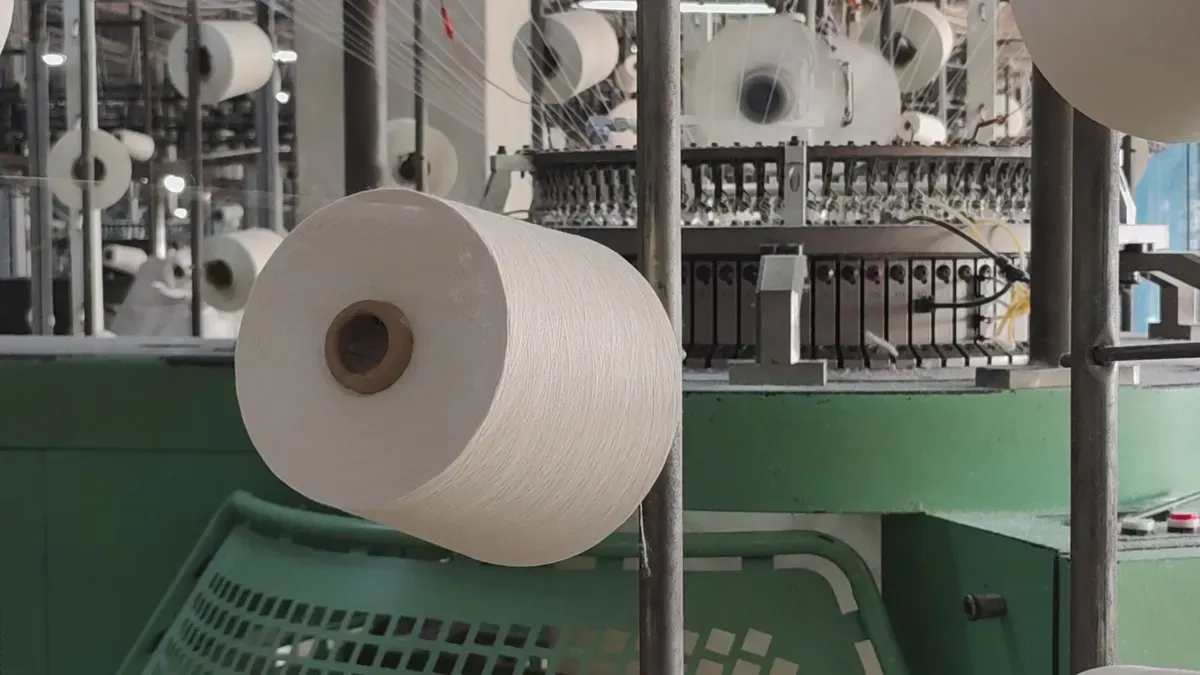
A rewind machine goes through three linked stages. Each stage changes the one after it. The material keeps moving from a big parent roll to smaller finished rolls.
The process begins when the machine unwinds the parent roll. A web, which is the continuous sheet of material being processed, feeds from the parent roll along a set path. The unwind stand holds the large parent roll and lets it spin as material moves forward. Loading can be shafted, hydraulic shaftless, or helped in other ways based on the machine model.
Braking torque must go down as the jumbo roll diameter gets smaller. Constant torque would cause tension spikes and could snap or stretch the web. Roll inertia also counts. The system must handle it to stop slackness during speed changes. A good unwinding system has stable stands, accurate braking or servo control, web guide correction, and emergency stop logic.
Mechanical braking uses air-operated calipers or electro-magnetic force to make drag on the unwind shaft. Motor-driven braking runs the unwind shaft and controls torque to hold back or feed material. Motor-driven systems fit quick acceleration, elastic material, and delicate material. Mechanical systems cost less but need brake pad replacement.
Tension control keeps the web flat and steady during the whole run. The system uses brakes, dancers, or load cells to adjust force as the roll diameter changes. In a closed-loop tension control setup, the web passes over an idler roll mounted on load cells. These sensors make a signal that matches actual web tension. The controller compares this signal with the wanted setpoint and adjusts torque or speed to match.
Tension needs change at each zone. The unwind zone needs constant web tension, but shaft torque must change with roll diameter. The slitting zone requires constant tension because bad tension causes poor slit-edge quality and side-to-side wandering. The rewind zone needs taper tension as rolls get bigger. Lowering tension as roll diameter grows stops crushed cores and web breaks.
|
Operating Stage |
Tension Control Requirement |
Key Operational Detail |
|---|---|---|
|
Unwind Zone |
Variable torque control |
Constant torque causes stretching, wrinkles, or web breaks |
|
Slitting Draw Zone |
Sufficient but not excessive tension |
Too much roughens slit edges; too little causes wandering |
|
Rewind Zone |
Taper tension control |
Tension decreases as roll grows to prevent core crush |
For multi-ply products, each web should have its own tension adjustment. This stops a weaker ply from following a stronger one and making stretch differences.
The machine rewinds the material onto the chosen core. Tension and torque are adjusted for changing roll diameter to keep roll formation stable. Taper tension follows the "inner tight, outer loose" principle. This balances the risk of core crushing against the risk of telescoping.
Automatic turret rewinders change the finished roll without stopping production. The transfer uses length measurement, diameter detection, nip pressure control, a flying cut, and automatic attachment to the new core. The web is cut and secured to the new core while the line keeps running. This cuts waste at roll change.
Operators inspecting rewinding machine output check for wrinkles, air bubbles, and printing misalignments. Teams inspecting rewinding machine quality also look for telescoping and crushed cores. A well-run rewinding machine makes rolls that meet customer specs for width, diameter, and tightness. Slitter rewinders follow the same winding principles but add cutting blades. Anyone inspecting rewinding machine performance should verify that tension tapers smoothly as the roll grows.
Types of Rewinding MachinesRewinding machines come in three main types. Each type turns the roll in its own way.
|
Type |
How It Drives the Roll |
Best Use |
|---|---|---|
|
Surface winder |
A powered drum touches the outer surface |
Big rolls on small cores |
|
Center winder |
The core shaft turns the roll from inside |
Soft rolls and delicate webs |
|
Turret winder |
Several shafts spin on one shared axis |
Steady, high-volume output |
A surface winder sends power through friction between a drum and the roll's outer layer. The core is not driven, so it works well with weak cores. A center winder turns the roll using its own shaft. Operators can change nip and tension to control trapped air. This design fits webs with uneven thickness and small-to-medium diameters. A turret winder holds two or more shafts. One shaft winds while another unloads, so the line never stops. Anyone checking rewinding machine output on a turret sees quick changeovers and steady roll quality.
Coreless winders make rolls without a cardboard or plastic center. The machine winds material onto a slotted drum, cuts the tail, and seals the end with glue or a tab. A stripping station then takes the finished roll off the shaft. Coreless rolls save space in shipping and give more product per roll. They are used for receipt paper, void fill, and floor underlayment.
Differential winders handle materials with uneven gauge. The rolls are not locked to the shaft, so each one slips and turns at its own speed. This keeps surface speed and tension the same across every strip. Without this action, thick areas wind too tight and thin areas wind too loose. Plastic films, metal foils, and special papers depend on this design. A slitter rewinder often uses a differential shaft for exact tension control. Teams checking rewinding machine quality check these rolls for even tightness and clean end faces.
Rewinding Machine vs. Slitter Rewinder MachineA slitter rewinder machine unwinds a master roll, slits it into narrower widths, and rewinds each strip onto its own core. This machine turns one wide parent roll into many finished rolls with exact widths and clean edges. A standard rewinding machine only shortens roll length. It does not cut width. A slitter rewinder adds a blade assembly to cut the film lengthwise before rewinding.
|
Machine |
Definition |
|---|---|
|
Slitter rewinder |
A machine that unwinds a master roll, slits it into narrower widths, and rewinds each strip onto individual cores. |
|
Rewinder |
A machine that only rewinds material without slitting, usually to inspect or repair rolls. |
|
Key difference |
A slitter rewinder slits and rewinds in one pass; a rewinder does not slit. |
A slitter rewinder does three jobs in one process. It unrolls the master roll, slits the material into strips of the right width, and rewinds those strips onto new cores. Slitting blades work like a comb to split a wide roll into narrow widths. These blades make clean edges without burrs, unlike a flying knife that cuts across between finished rolls. A slitter rewinder often uses differential shafts. These shafts balance tension from one strip to another when thickness varies.
The width of the material matters first. A converter who needs narrow strips should pick a slitter rewinder machine. A converter who needs shorter rolls can use a standard rewinding machine. How much you make also matters. Large operations work well with slitter rewinders that slit and rewind in one pass. That saves time and reduces handling.
The material's properties decide which winding method to use. Lightweight tissue needs surface winding to keep the core from being crushed. Coated label stock needs center winding to protect its coated surface. Delicate flexible packaging films also prefer center winding because the drum does not touch the outer layer. Heavy, large-diameter paper works well with surface winding. People checking rewinding machine output should make sure tension drops smoothly as the roll grows. The same rule applies when they check quality on a slitter rewinder. When checking rewinding machine performance, operators look for wrinkles, telescoping, and crushed cores on every finished roll.
With a rewinding machine, large parent rolls become consistent, ready-to-use finished rolls. Paper, film, foil, label, and textile industries use rewinding and inspection machines and depend on this step. The process has three core stages: unwind the parent roll, control tension and handle the web, and wind the finished roll.
Operators inspect rewinding machine output to find wrinkles, telescoping, and crushed cores. Teams checking rewinding machine performance verify tension taper. Slitter rewinders add cutting blades to the same process. A slitter rewinder fits converters who need narrower strips and also handles high-volume jobs. Anyone checking rewinding machine quality should consider roll-handling needs. Consult a supplier to choose the right rewinder or slitter rewinders.
FAQA rewinding machine changes big parent rolls into smaller rolls that are easy to handle. It controls web tension and guides material onto new cores. This rewinding step gets paper, film, or foil ready for printing, coating, or shipping. An inspecting rewinding machine also checks roll quality during this step.
The advantages of using an inspecting rewinding machine include finding flaws early. Operators look for wrinkles, air bubbles, and misalignments during rewinding. An inspecting rewinding machine helps cut down on waste. It makes sure only clean, even rolls go to the next production step. An inspecting rewinding machine mixes quality control with inspection tasks.
A rewinder only changes how long a roll is. A slitter rewinder cuts a wide master roll into narrower strips. It rewinds each strip onto its own core. Slitter rewinders do converting in one pass. Converters pick a slitter rewinder when they need exact widths.
Tension control affects roll quality. Low tension causes loose layers or telescoping. High tension crushes cores. Operators use taper tension to lower force as the roll grows. Steady tension stops wrinkles.
Slitter rewinders often use differential shafts. These shafts let each roll turn at its own speed. Thick areas wind tighter without control. Differential shafts keep tension equal across all strips. This design lets slitter rewinders handle uneven gauge easily.
"4mmx2mm Disc Magnet" from S****** received 4 quotation(s)