Date: 2026.09.04 Click: 2
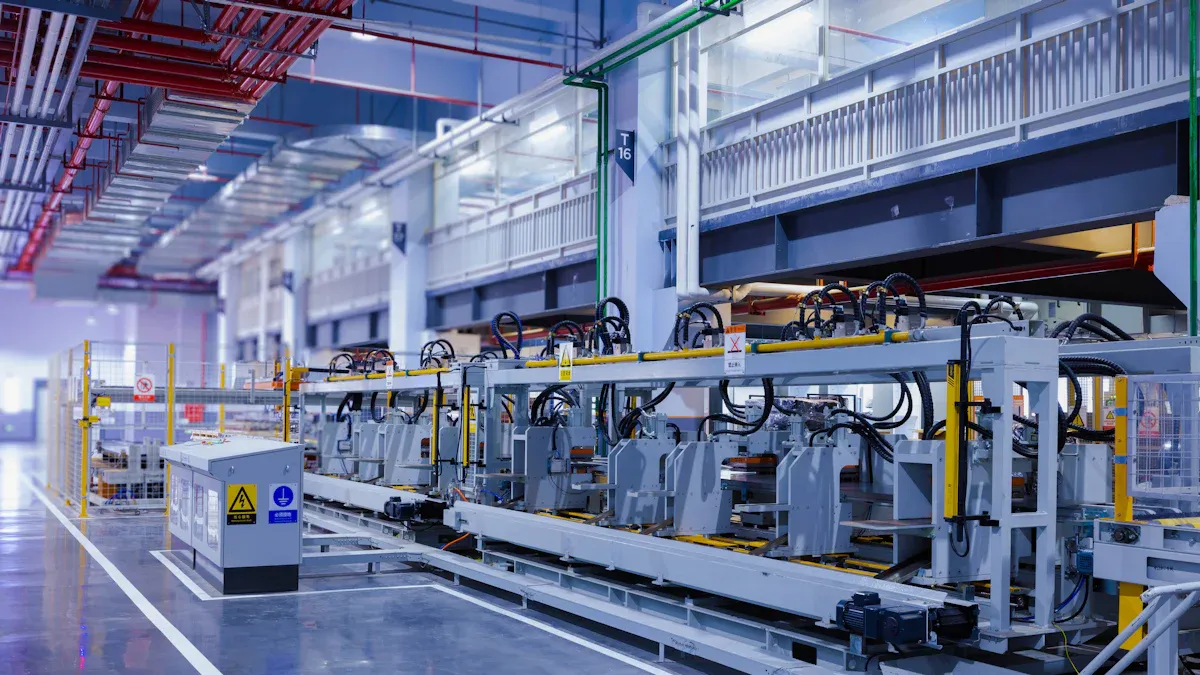
A bag making machine turns raw materials like plastic film rolls or paper into finished bags. You may ask how this equipment changes simple inputs into useful products. The process includes feeding material, shaping forms, sealing edges, and cutting sizes. When you work with a reliable bag making machine manufacturer, you get equipment designed to handle these steps with precision and speed.
Think about the plastic grocery bag you use every day. An automatic bag making machine makes it in just seconds. These machines handle many bag types, from shopping carriers to garbage liners and paper sacks. This flexibility makes them useful in many packaging jobs. A trusted bag making machine manufacturer can also customize the machine to match your specific production needs, whether you run a small shop or a large facility.
Knowing how the machine works helps you value modern packaging solutions. The operation uses exact heating and mechanical cutting. Whether you need simple designs or complex features, a trusted bag making machine maker ensures smooth production. This guide explains parts, steps, and care needs for these key tools. By choosing the right bag making machine manufacturer, you also gain access to technical support, spare parts, and maintenance guidance that keep your line running efficiently.
Key TakeawaysBag making machines change raw materials into finished bags by feeding, sealing, and cutting them.
Automatic machines cut labor costs by 50-70% and make production faster.
Choose roll-fed machines for large production runs, and pick sheet-fed ones when you need more flexibility.
Doing regular maintenance stops machines from breaking down and makes them last longer.
Choose a maker that gives good help and replacement parts.
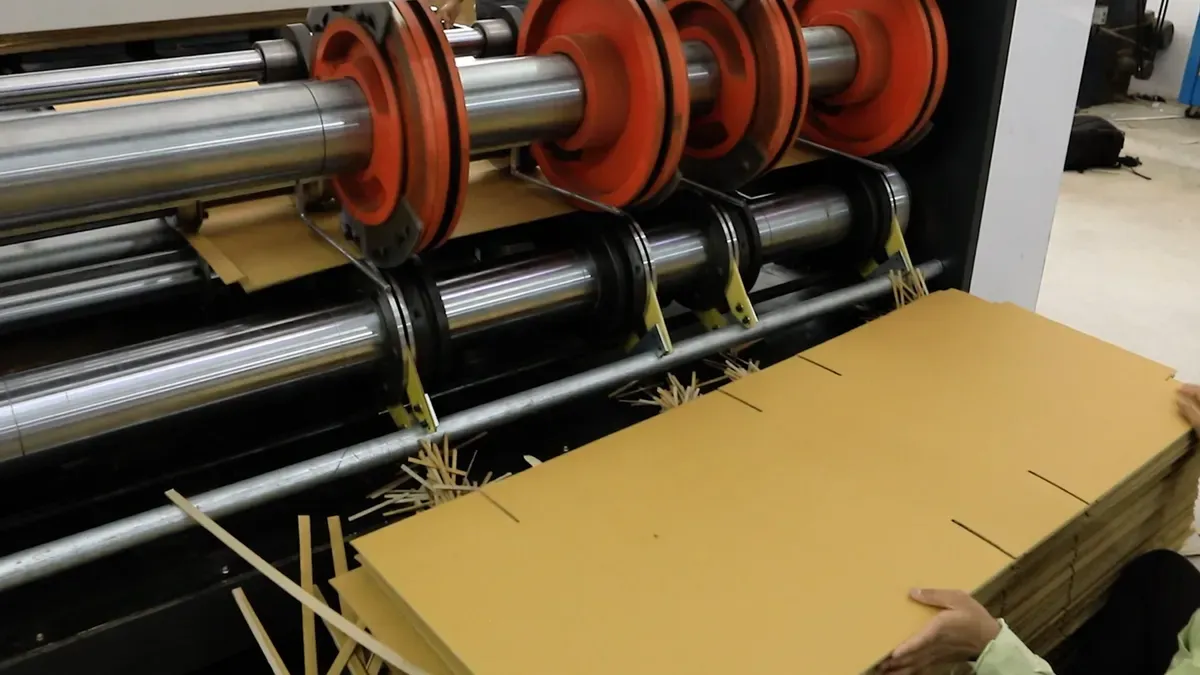
The feeding system starts the process. It holds rolls of raw material, like plastic film or paper. A roll bag making machine must handle continuous rolls from the unwind station. The unwind station holds the material roll and feeds the film into the machine. The feeding system pulls the material and aligns it for the next steps. To understand an automatic bag making machine, start with the feeding system. Good alignment keeps the machine running smoothly. It also affects the quality of the final bag.
Tension control reduces material waste.
Poor tension control causes wrinkles, weak seals, and uneven bag sizes. These problems waste film and create defective products.
Modern closed-loop systems fix this problem. Sensors automatically adjust motor speeds. This keeps the film flat and smooth. Web guiding technology adds more precision. Optical sensors check the film's side position in under a second. Servo motors move rollers to realign the web. This cuts material waste and boosts production efficiency.
Sealing units join the material edges together. There are several methods. Constant-heat hot bar uses jaws that stay hot all the time. It is cheap and reliable but has lower hot-tack. Impulse sealing uses a ribbon that heats in pulses and cools under pressure. Ultrasonic sealing creates heat inside the film by vibration. It gives high speed and a narrow seal width. The Oberto beef-jerky line shows how the right method matters.
They switched from hot-bar to ultrasonic sealing. The seals could close through jerky crumbs that had been causing leaks. The seal area went from about 1.25 inches to less than 0.25 inches. Output increased from about 35–40 to 75 bags per minute.
This shows how the right sealing method boosts quality and output.
Cutting mechanisms shape the bag to the right size. For a roll bag making machine, you must adjust the cutting mechanism carefully. You need to keep it accurate with regular tuning. Stacking units collect finished bags for easy handling. This system counts the bags and stacks them neatly. These last steps make sure the bags meet your needs. The parts of an automatic bag making machine work together for consistent results. Picking the right machine for your work boosts efficiency.
How an Automatic Bag Making Machine Operates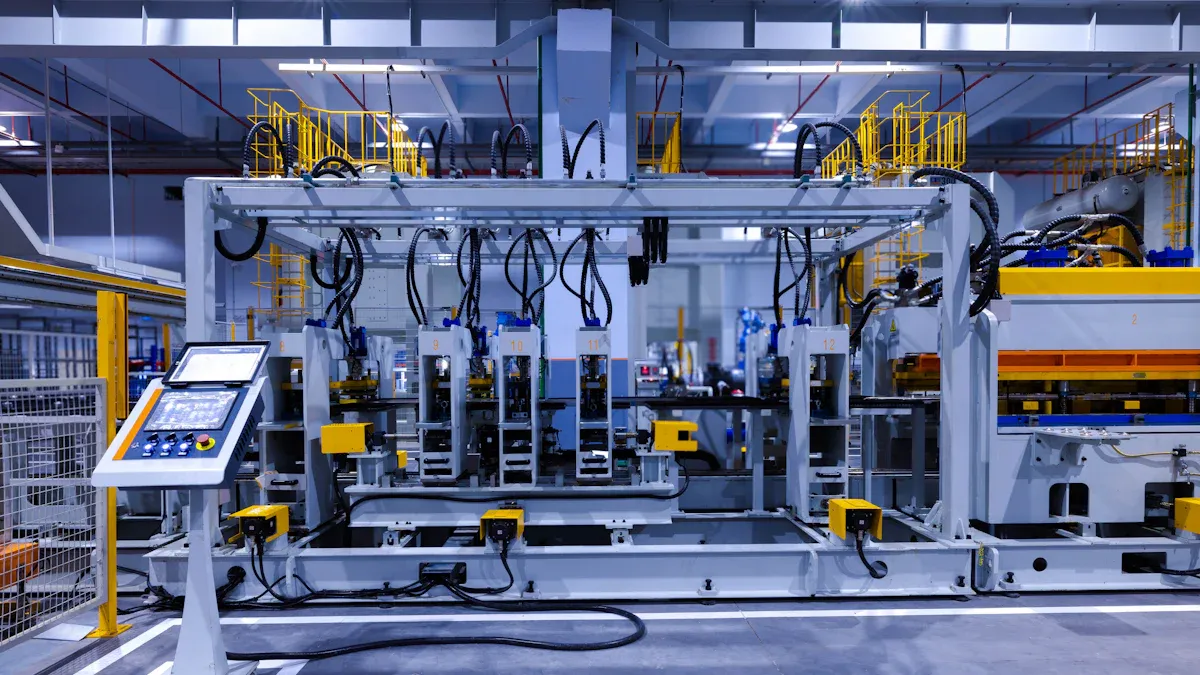
The way an automatic bag making machine works starts with the raw material roll. You put a big roll of polyethylene film onto the material rack. Then, the machine moves this film into the system at a steady speed. This first step of unwinding kicks off the whole production process.
Motorized traction rollers grab the film and pull it forward with accuracy. These rollers match their speed with the sealing and cutting cycle. This matching keeps bag lengths the same during the whole run. If tension is not controlled well, you would see wrinkles and bags of different sizes.
The film you put into the machine is already shaped like a tube. This tube comes from an earlier blown film process. Knowing this step helps you understand the full working principle. Resin pellets go through a heated barrel pushed by a helical screw. The heat melts them into a smooth liquid. Temperature control during this stage decides what the final film will be like.
The melted plastic then moves through a round die under pressure. This starts the blown film process and sets the starting tube width. As the plastic leaves the die, compressed air blows it up like a balloon. This blowing creates a nonstop tube of film. How fast it expands decides how thick the film will be.
A hot bubble tube rises up through the cooling tower. An outside air ring blows a steady cold air curtain that quickly hardens the outer layer. An inside cooling system can make cooling work better by 30 to 50 percent. The frost line height must stay the same. This steadiness gives the film a smooth surface and good strength.
Nip rollers at the top press the cooled tube sides together. This pressing flattens the tube into a lay-flat shape. The pulling speed matches the pushing speed to get the right film thickness. Your automatic bag making machine then gets this flat tubing for the next step.
The sealing step makes the bottom seal for each bag. Heated aluminum blade welding bars press down at set times. These bars use heat and pressure to join the film layers together. The seal must be strong enough to hold what goes in the bag later.
A cutting knife works together with the sealing head. This knife separates each bag from the long film web. The cutting happens at the same time as sealing or right after it. This teamwork sets how well the whole process runs.
Modern automatic bag making machine designs have sensors and programmable controls. These automatic features make sure every step is exact. Sensors watch film position and tension all the time. Programmable logic controllers change settings without a person doing it. This automation allows fast production while keeping quality the same.
The last output step involves counting and stacking. Stacking units gather finished bags into neat piles. The system counts each bag as it comes. This organizing makes packaging and shipping easier for your work.
Quality checks happen during the whole cycle. Sensors find misalignment, seal problems, or cutting mistakes. The system tells operators right away when issues happen. This quick warning cuts down on waste and makes production work better.
A roll bag making machine setup works well for nonstop production runs. These machines handle large amounts without many stops. You can change the settings for different bag lengths and widths. This flexibility makes the equipment useful in many industries.
The whole process runs with very little human help. One operator can watch over several machines at once. This way of staffing lowers labor costs while increasing output. Your production gains dependability through automatic watching and adjusting.
Knowing this order helps you fix problems quickly. When you see how each step affects the next, you can find issues faster. This knowledge also helps you talk clearly with your bag making machine manufacturer about changes or upgrades you need.
Types of Bags and Machine VariationsThe kind of bags you can make depends a lot on the material you choose. Plastic film is the top choice for many makers because it is cheap and works in many ways. High-density polyethylene (HDPE) is stiff and hard to puncture. This makes it good for strong bags that hold building supplies or bulk items. Low-density polyethylene (LDPE) is soft and clear. You see LDPE in grocery bags and produce sacks where easy tearing is needed.
Biodegradable plastics are now available as another option. These materials break down with the help of enzymes. Microbes can eat them fully and turn them into carbon dioxide, water, and biomass. Regular HDPE and LDPE bags stay around for hundreds of years and break into tiny plastic pieces. Biodegradable bags leave no harmful leftovers. But they cost more and may rip easier than regular plastic bags.
Paper bags give another choice for makers who care about the environment. The full picture is more tricky than it seems at first. A 2014 study found that making plastic bags uses 58 gallons of fresh water per bag. Paper needs 1,004 gallons. Plastic makes 0.04 tons of CO2 equal emissions. Paper makes 0.08 tons. Paper bags weigh six to ten times more than plastic ones, so shipping costs go up. Yet paper bags can have lower carbon emissions than plastic if you reuse them four times. What you pick shapes both your costs and how green your product is.
The machine style you choose sets your speed and how flexible you can be. A roll bag making machine works with long film rolls without stopping. These systems are great for big production runs. Roll-fed machines can hit top speeds of 260 bags per minute for many styles. Some setups reach 1,000 bags per minute for flat and satchel designs. Material waste usually stays between 2 and 4 percent. Switching over takes 12 to 18 minutes. This speed makes roll-fed tech the best pick when you make over 50,000 bags each day.
Sheet-fed machines take pre-cut sheets and feed them into the forming process. These systems run at 40 to 60 bags per minute. Material waste is higher at 6 to 10 percent. Changeover needs 25 to 40 minutes. The starting cost is lower, from $15,000 to $70,000 compared to $20,000 to $200,000 or more for roll-fed gear. Sheet-fed machines fit operations making fewer than 50,000 bags daily with many product changes.
The table below shows the main differences:
|
Metric |
Roll-Fed |
Sheet-Fed |
|---|---|---|
|
Max. production speed |
260 bags/min |
40–60 bags/min |
|
Material waste |
2–4% |
6–10% |
|
Investment range |
$20,000–$200,000+ |
$15,000–$70,000 |
|
Changeover time |
12–18 min |
25–40 min |
|
Typical payback period |
6–18 months |
12–24 months |
Your machine choice affects what you can do with flexible packaging. A roll bag making machine supports nonstop production of standard bags. Sheet-fed systems let you switch quickly between different bag styles. Think about your product mix with care. Standard high-volume orders work best with roll-fed machines. Many different short runs may make sheet-fed gear worth it. The types of bags you make will guide your buying choice. Both setups give reliable packaging answers when matched to the right job. Your production goals and budget finally decide which system fits your work.
Key Benefits and Industry ApplicationsAutomation changes how your bag production line works. An automatic bag making machine cuts labor costs a lot compared to manual methods. Look at these real-world examples:
|
Case Study |
Labor Cost Before Automation (Monthly) |
Labor Cost After Automation (Monthly) |
Reduction |
|---|---|---|---|
|
XYZ Packaging |
$3,500 |
$1,200 |
65.7% |
|
ABC Manufacturing |
$3,000 |
$1,500 |
50% |
Industry data shows that fully automatic machines save about 50-70% of labor costs compared to semi-automatic models. These savings help your profits directly. You also get higher output rates. High-speed continuous motion models make 180 to 300 bags per minute. This speed lets you finish large orders quickly.
Customization options add more value. You can set bag width from 80 to 450mm and length from 100 to 760mm. Thickness ranges from 50 to 150g/㎡ for paper materials. Printing choices include flexographic for multi-color designs, rotogravure for detailed images, and screen printing for small batches. You can also add handles, windows, tear-off strips, or glossy lamination. These options help you create unique products that stand out in the market.
The key features and benefits of modern machines include precise sensors and programmable controls. These systems keep quality steady during long runs. You cut down on waste and rework. The key features and benefits also include energy efficiency and quieter operation. Your production efficiency improves because machines run with little supervision. One operator can watch several units at the same time.
Many sectors depend on bag making equipment for their daily work. The applications across industries show great variety. Retail stores need shopping carriers and merchandise bags. Food producers require hygienic wrapping that keeps products fresh. Healthcare facilities demand sterile packaging that meets strict rules. Waste management companies need durable garbage liners.
The applications across industries also include specialized sectors. Cement manufacturers use woven polypropylene bags for strength. Agricultural operations need bags that handle moisture and rough use. Chemical companies require containers that resist corrosion and leakage. Logistics firms depend on protective film packaging for shipping.
|
Industry |
Specific Bag Requirements |
|---|---|
|
Cement |
Kraft paper, multi-wall paper, Woven PP bags |
|
Food |
Kraft paper, multi-wall paper |
|
Industrial packaging |
PE, PP films |
|
Retail |
Kraft paper, multi-wall paper |
|
Logistics |
PE, PP films |
|
Fertilizer |
Woven PP bags |
Healthcare packaging demands the highest standards. Sterile barrier systems must follow ISO 11607-2. Materials must resist tearing under 20N/15mm static tension. Seals must handle pressure from -30KPa to 35KPa during ethylene oxide sterilization. These rules keep patients safe.
These benefits explain why businesses invest in modern equipment. An automatic bag making machine delivers reliable packaging solutions for many needs. You gain speed, flexibility, and cost savings. The right machine adapts to your industry's unique demands. Whether you make simple grocery bags or complex medical packaging, automation delivers consistent results. Your investment pays off through reduced labor costs, higher output, and better product quality.
Maintenance Tips and Choosing a Bag Making Machine ManufacturerTaking care of your automatic bag making machine on a regular basis keeps it working well. A simple schedule helps protect your equipment. Each day, check the air pressure, clean dust off the sealing parts, and look at the film roll alignment. You should also oil the moving parts and pay attention to any strange sounds. These small steps stop bigger issues later.
Every week, focus on the cutting blades and sensors. Look at the cutting knives for damage or dullness. Clean the photoelectric sensors and safety light curtains so they work properly. Adjust the temperature controls and test the emergency stop buttons. These checks keep your work safe and exact.
Each month, inspect the machine's deeper systems. Check the belt tension and motor connections. Clean or swap out the pneumatic filters. Look over the software error logs and run test batches for every bag type. The Plastics Machinery Manufacturers Association says that facilities using a monthly schedule see 25% fewer sudden breakdowns. One food-packaging company cut equipment failure rates by 40% just by cleaning the feeding system regularly. A beverage plant lowered pneumatic energy use by 15% after replacing old air hoses.
Watch the parts that wear out and need replacing often. Cutting blades need sharpening or new ones when they get dull. Bearing sleeves usually last about 20,000 cycles. PU belts start to lose performance after roughly 6,000 running hours. Check drive belts weekly and chains every 6–12 months. Paying attention to these details extends your machine's life and keeps product quality high.
Picking the right bag making machine manufacturer matters for your long-term success. You want a supplier that builds strong machines from wear-resistant materials. Look for verified reviews and customer references that show reliability. A stable company with good finances will be around for future support.
Help after the sale is just as important as the machine itself. Your bag making machine manufacturer should offer 24/7 technical help and remote diagnostics. Installation services with professional setup and clear paperwork save you trouble. Training sessions and user guides help your team work with confidence. Regular check-ups, repair services, and spare parts availability keep your production going without long stops.
Think about the total cost over time, not just the starting price. Maintenance and support costs add up over the years. A quality manufacturer offers extended warranty options and emergency onsite services. This ongoing partnership boosts your production efficiency and cuts down on costly interruptions. Ask about customized maintenance checklists for your specific model. These resources help you extend equipment service life by an average of 3–5 years. Your choice of partner directly affects your operation's reliability and your final product quality.
You now understand how an automatic bag making machine transforms raw film into finished products through feeding, sealing, and cutting. The types of bags produced range from plastic grocery carriers to paper sacks, serving diverse applications across retail, healthcare, and waste management. These machines deliver significant benefits through reduced labor costs and higher production speeds.
Regular maintenance protects your investment. Choosing a reliable bag making machine manufacturer ensures technical support and spare parts availability. The types of bags you produce influence your equipment choice.
Looking ahead, energy-efficient servo motors and biodegradable material handling define modern production. Approximately 40% of manufacturers now seek machines processing eco-friendly films. This shift toward sustainability shapes packaging innovation. Consult industry experts or request machine demos before investing. Their guidance helps you select equipment matching your production goals and environmental commitments.
FAQIt can work with HDPE, LDPE, biodegradable plastics, and paper rolls. What you choose affects cost and how eco-friendly the bags are. The right film helps your packaging run well for your needs.
The sealing unit uses heat, impulse, or ultrasonic vibration to join film layers. Each method gives different seal strengths. How it works directly affects bag quality, packaging reliability, and the types of bags you can make.
It makes grocery bags, garbage liners, merchandise bags, and paper sacks. The types of bags depend on how the machine is set up. You can add handles, windows, and printed designs to them.
An automatic bag making machine or roll bag making machine runs with little human help. Sensors watch the process and change settings on their own. This lowers labor costs and raises speed while keeping quality steady.
Key features include closed-loop tension control and servo-driven cutting. Benefits are less waste, steady quality, and energy savings. These parts of an automatic bag making machine give dependable packaging options for many industries.
"4mmx2mm Disc Magnet" from S****** received 4 quotation(s)