Date: 2026.09.02 Click: 3
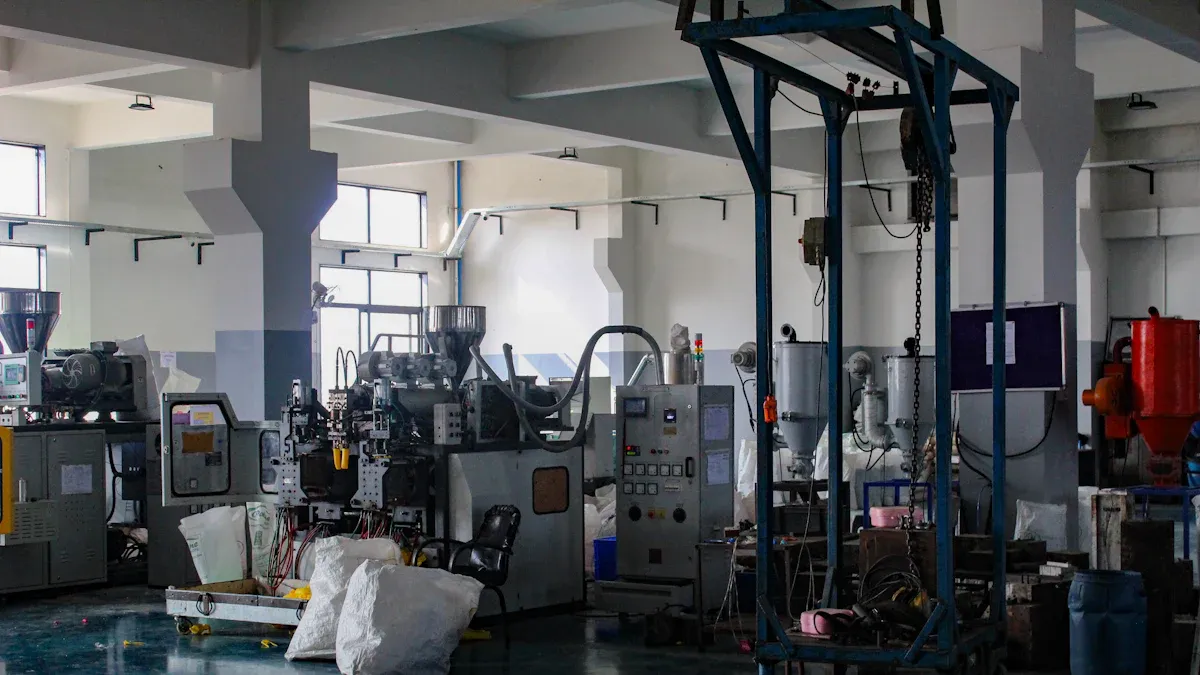
The bag making machine market is growing fast as manufacturers worldwide change to meet consumer demands. Experts say strong growth will continue for the next ten years, driven by online shopping growth and rules for sustainable packaging.
As of 2025, the bag making machine market is about USD 2.8 billion, but this source does not give a specific 2034 projection.
Metric
Value
2025 Market Size
USD 3.80 billion
2034 Projection
USD 6.80 billion
CAGR (2025-2034)
6.7%
This forecast shows several strong forces changing the market. E-commerce logistics is a fast-growing segment with over 8% CAGR, while automation and Industry 4.0 help cut costs. Manufacturers want computerized bag making machines that can handle biodegradable polymers. This growth attracts both big companies and new ones looking for chances in special uses.
Key TakeawaysComputerized bag making machines use automation and AI to cut labor costs and boost efficiency.
Paper bag machines grow fast due to plastic bans and sustainability rules worldwide.
Asia-Pacific leads with 42% of the market and grows at 7.9% each year, so it is a great place to invest.
IoT-enabled machines predict when they need fixing, reducing downtime by 30% and making equipment last longer.
Energy-saving designs cut operating costs by up to 30% and help companies meet their environmental goals.
Flexible machines that work with recycled and compostable materials help makers adjust to new rules.
Niche uses, such as medical packaging and heavy-duty bags, open up special ways to earn money.
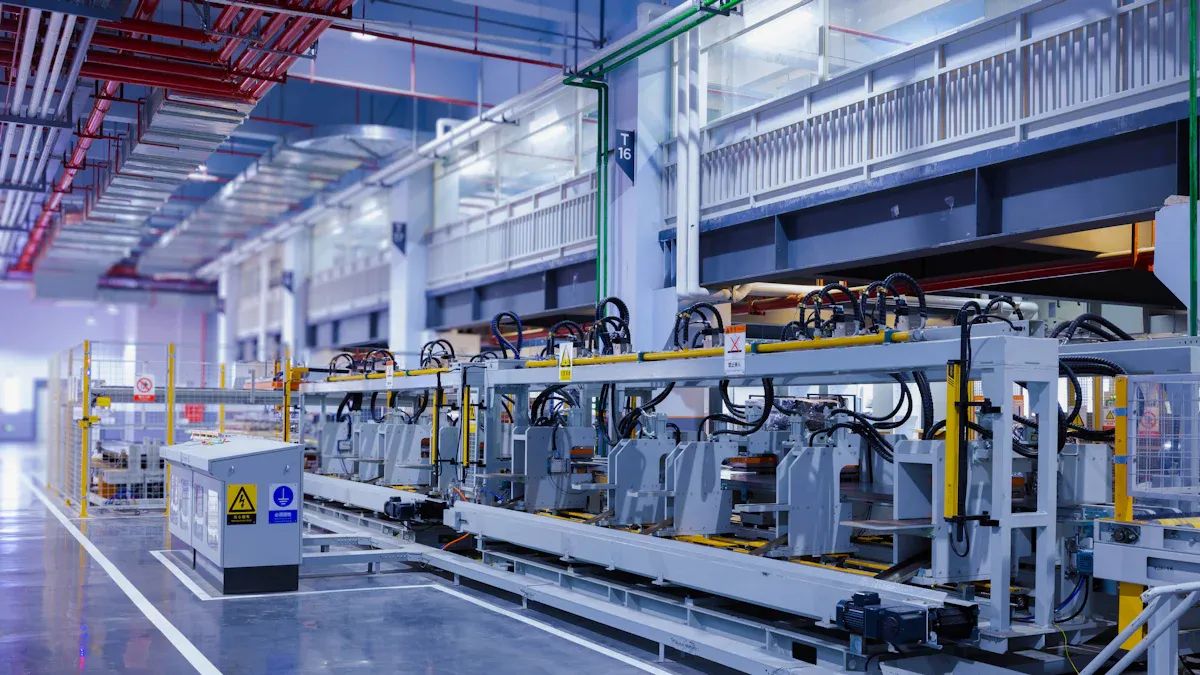
The bag making machine market splits into several clear groups. Each group serves different customer needs and follows different rules. Knowing these groups helps makers invest their money wisely. In 2025, the global market for these machines hit $3.80 billion. Experts expect it to grow to $6.80 billion by 2034, with a yearly growth rate of 6.7%. This growth opens doors in every product area.
Plastic bag making machines are still the biggest product group. They make polyethylene and polypropylene bags for stores and factories. The machines range from simple side-seal models to advanced servo-driven ones. Makers keep upgrading these systems even with environmental pressure. The machines now handle thinner films without losing strength. This saves money on materials for producers. The woven bag market has grown over 4% each year recently, showing steady demand for plastic items. Many analysts expected faster decline, so this group's strength surprises them. Plastic machines still make up about half of all equipment sold worldwide.
Paper bag making machines are the fastest-growing product group. Bans on single-use plastics push this growth. Modern paper bag machines make bags with strong bottoms and handles. These machines run at speeds over 200 bags per minute. Packaging companies are putting serious money into renewable paper bag machines. Stores switching from plastic to paper need dependable equipment. Many governments offer incentives that help the renewable paper bag machine market. Early adopters of this technology gained an edge over competitors. The renewable paper bag machine segment keeps growing strong. Analysts expect double-digit growth for this category through 2030. The renewable paper bag machine gives companies a clear way to meet new rules.
Non-woven bag making machines fill a special market niche. These machines make reusable bags from polypropylene fabric. The bags last longer and can be washed, unlike paper. Non-woven machines use ultrasonic welding to seal seams. This removes the need for thread and needle upkeep. The segment grows steadily as shoppers choose reusable bags. Many stores offer non-woven bags as a step up from paper or plastic.
Food and beverage packaging is the largest application group. This field demands strict cleanliness and food-safe materials. Bag making machines here include features like date printing and tamper-proof seals. The bags must keep out moisture and dirt. Food makers need consistent bag sizes for automated filling lines. This application drives about 40% of all machine sales. The need for food-safe packaging keeps rising as the population grows.
Retail and consumer goods create strong demand for bag making equipment. The global bag making machine market projection for 2023 hit $1.2 billion, mostly from retail needs. Retail bags need good printing and solid build. Modern machines put flexographic printing right into the production line. This cuts handling and speeds up delivery. Online shopping pushes demand for mailer bags and poly bags. The retail sector cares most about speed and customization.
Industrial uses need heavy-duty bags for building materials, chemicals, and farm products. These bags use thicker films and stronger seams. The machines must handle rough materials without breaking down often. Industrial bag machines run nonstop in tough conditions. This segment needs strong builds and easy maintenance access. Makers in this niche can charge premium prices for their equipment.
Regular polymers still lead in bag production materials. Polyethylene and polypropylene work well and cost less. But bioplastics gain ground every year. Bioplastic materials need different processing temperatures and cooling speeds. Modern machines handle both material types with adjustable temperature controls. This flexibility lets makers switch gradually without buying whole new lines.
Recycled and compostable materials point to the future of bag production. These materials bring challenges like uneven melt flow and lower strength. Advanced machines now handle up to 30% recycled content without losing quality. Compostable materials need careful temperature control during processing. The bag making machine market analysis shows more investment in this area. A recent industry report confirms that handling recyclable materials now affects buying choices. The market analysis says this trend will speed up through 2030.
The segmentation shows clear chances for makers. Each group needs specific machine features and service support. Companies that know these differences set themselves up for steady growth.
Regional Market Analysis and ForecastThe bag making machine market shows clear patterns in different regions. Each area deals with its own pressures, rules, and chances to grow. Knowing these differences helps manufacturers spend their money in the right places.
Asia-Pacific leads the global bag making machine market with a 42% share. The region earned USD 1,344 million in 2025 and should hit USD 2,410 million by 2033. That is a 7.9% CAGR, which beats the global average. Fast industrial growth and rising packaging needs push this expansion.
China is the main hub for making bag machines. Chinese factories produce 38% of all machine parts worldwide. Their equipment costs 18–25% less than Western machines. This price edge pulls in buyers from all over. India matters too. The country saw a 34% jump in converters using pouch machinery between 2020 and 2025. That creates a big replacement market worth over USD 420 million through 2033.
Southeast Asia, plus India and Vietnam, grows at an 8.1% CAGR. That outpaces developed markets, which grow at 6.5–7.0%. China and India keep strong domestic demand because of their huge populations. Rising labor costs push factories toward automation. Export chances also grow as global buyers look for cheaper equipment. The region splits into two needs: semi-automatic machines for budget buyers and high-speed integrated lines for big producers.
North America holds the largest market share globally, led by the United States. High e-commerce volumes and fulfillment center investments keep it on top. Europe shows strong adoption, especially in Western markets. Sustainability rules are the main reason both regions push automation.
The EU Packaging and Packaging Waste Regulation (PPWR) starts August 12, 2026. This binding rule requires all packaging to be fully recyclable. It sets waste reduction targets of 5% by 2030, 10% by 2035, and 15% by 2040. Canada's Single-Use Plastics Prohibition Regulations are now fully active. Over 170 countries agreed to cut plastic waste through a UN resolution. These rules boost demand for renewable paper bag making machine systems. The renewable paper bag making machine segment grows as stores switch materials. The renewable paper bag making machine market benefits from clear regulatory direction. Companies investing in renewable paper bag making machine technology gain compliance advantages.
The PPWR makes paper bags the default choice over single-use plastics. This regulatory shift, plus labor shortages and material handling challenges of sustainable substrates, makes automated paper bag machines a must-have. The mix of regulatory pressure, sustainability commitments, and e-commerce growth has created a very favorable environment for paper bag manufacturing, with the market projected to grow from $6.84 billion in 2026 to $8.86 billion by 2030.
European buyers prefer precision-engineered, energy-efficient equipment. Strict EU environmental rules shape what they buy. North American food and beverage companies focus on automation upgrades and Industry 4.0 integration. These investments cut energy use and operating costs. The demand for eco-friendly machinery matches corporate sustainability goals. Companies see energy-efficient equipment as vital for staying competitive long-term.
Latin America, the Middle East, and Africa show different patterns. These regions grow steadily but face their own limits. Brazil and Mexico lead Latin American adoption, mainly in food packaging. The Middle East adds systems for supply chain modernization. Africa faces cost constraints that limit equipment purchases.
Infrastructure projects across the Middle East drive packaging needs. Construction, food, and retail sectors need reliable bag supplies. Turkey, Saudi Arabia, Israel, and UAE emerge as key markets. These nations diversify their economies beyond oil dependence. This diversification creates steady packaging demand. Latin America shows moderate growth with untapped potential. The region stays cost-sensitive, favoring semi-automatic and refurbished machines.
Most LAMEA countries rely on imported equipment. Domestic manufacturing capacity stays limited. This import dependence creates chances for exporters. However, currency fluctuations and shipping costs affect affordability. Local production initiatives slowly emerge in larger economies. Brazil and Mexico show interest in building domestic manufacturing capabilities. The bag making machine market in this region grows steadily, though slower than Asia-Pacific. A recent report confirms that infrastructure development drives this gradual expansion. The market for sustainable packaging solutions gains traction as global brands demand consistent quality. This growth trajectory supports robust growth projections for the coming decade.
Competitive Landscape and Key StrategiesThe bag making machine market has many different companies. Big global leaders compete with smaller regional specialists. Each group follows its own path to grow. Success comes from new products and strong partnerships.
Top companies spend a lot on research and development. They build machines that are flexible, save energy, and use digital technology. Companies like Bobst put money into regional factories. These moves improve local support and add more products. Global leaders hold big market shares with wide product lines. They serve many industries with equipment that can be customized. Market studies show these companies stay on top through constant innovation.
Regional players focus on their own local markets. They know local rules and what customers want. Niche specialists target specific uses or materials. These companies know a lot about areas like heavy-duty bags or compostable materials. The market has many small and medium companies competing. Regional players often win with lower prices and better service. Their flexibility lets them adjust quickly to local needs.
Research efforts focus on adding IoT, AI, and automation. These technologies make machines work better. Modern bag-making machines have IoT features for live monitoring. Factories get instant data analysis. This gives production facilities a major advantage. AI makes operations smoother, cuts waste, and improves quality checks. AI and machine learning can boost manufacturing output by up to 30%. These tech upgrades attract buyers who want better efficiency.
|
Strategy Category |
Specific Actions |
|---|---|
|
R&D Investment |
Building smarter, more efficient equipment with IoT and AI |
|
Partnerships |
Working together between tech firms and machine makers |
|
Acquisitions |
Bobst's factory investments to grow product lines |
New patents show where innovation is heading. The ZB 1100S-380S and ZB 700S-250S models have an intelligent full servo function. This E model cuts changeover times a lot. Small-batch production benefits from quicker setup. These machines have a patented design with several awards in China. The engineering quality shows ongoing innovation. Machines handle various paper types, including kraft and art paper with film lamination. Custom options meet different consumer needs.
Asia-Pacific offers the fastest growth chance for manufacturers. Quick industrial growth and rising demand push this trend. Government support helps market expansion. Emerging markets in Latin America, the Middle East, and Africa grow faster due to infrastructure projects. Economic changes create new entry points. Companies enter Southeast Asia through strategic partnerships. Some firms target a US market recovery for higher-profit export orders. A recent report shows these partnerships often bring revenue within 6-12 months.
Partnerships between machine makers and material suppliers create eco-friendly packaging options. These collaborations make supply chains smoother. Acquisitions help companies grow product lines and reach new areas. After-sales service becomes a key advantage. Manufacturers invest in local service teams to cut downtime. Customer support quality directly affects buying choices in this market. The bag making machine market keeps changing as companies focus on great service.
Key Trends Driving Market Growth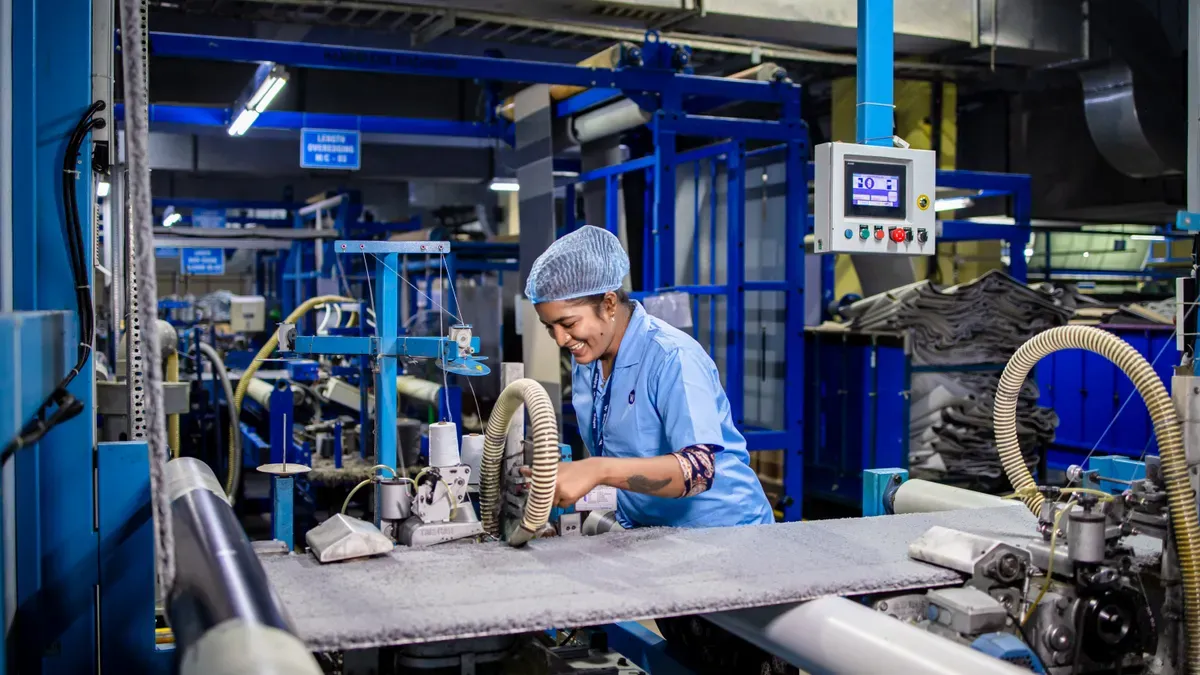
Several strong trends are changing the bag making machine market. These forces include digital automation and environmental rules. Each trend opens new doors for manufacturers who adapt fast. Understanding these patterns helps buyers choose the right equipment.
The move to computerized bag making machine models is changing production floors around the world. These systems replace mechanical controls with servo drives and AI-powered adjustments. Operators get precision that manual machines cannot offer. The bag making machine market now offers more of these advanced systems.
Computerized bag making machine models cut labor costs through automation. Servo motor drive systems adjust settings on their own without operator help. AI dynamic parameter adjustment responds to material changes in real time. Adaptive closed-loop control keeps quality steady during long production runs. These features lower energy use by over 20%. Bag type changeover takes just 0.5 hours, compared to hours on older machines. One operator can run several machines at once. This efficiency helps solve labor shortages in manufacturing areas. Human error drops because machines fix themselves during operation. The result is steady output with fewer rejected bags.
|
Trend Category |
Key Evidence |
Quantitative Impact |
|---|---|---|
|
Computerized/Automated Adoption |
Servo Motor Drive Systems; AI Dynamic Parameter Adjustment; Adaptive Closed-Loop Control |
Energy consumption reduced by over 20%; bag type changeover within 0.5 hours |
|
Circular Economy & Sustainability |
Biodegradable material processing (PLA, PBAT); Solvent-Free Lamination; Heat Recovery Systems |
Energy utilization increased to 85%; material loss rate reduced to 2.5% (industry avg: 8%) |
|
Integrated Automation |
Form-Fill-Seal (FFS) technology; Full-line automation from quantitative packaging to palletizing |
FFS holds 56.7% market share in 2024; production energy consumption reduced by over 18% |
|
Future Projection |
Industry 4.0 and AI integration; human-machine collaboration |
Intelligent equipment penetration rate projected to exceed 55% by 2030 |
Predictive maintenance is a big step forward for machine reliability. Digital twin technology builds virtual copies of physical machines. These models run simulations and spot failures before they happen. Remote diagnostics let technicians find problems without traveling to sites. This ability cuts downtime by 30%. AI vision inspection systems catch defects with error rates below 0.3%. Multi-servo drives reach ±1mm precision at speeds of 110 bags per minute. These tech upgrades extend equipment life and lower maintenance costs. Manufacturers who invest in smart machines gain an edge in the bag making machine market.
Sustainability now drives buying choices across the industry. Rules push manufacturers toward eco-friendly packaging options. The EU's Single-Use Plastics Directive requires 60% of products to be biodegradable by 2030. China's 14th Five-Year Plan demands full green transformation of express packaging by 2025. These rules create urgent need for new machine capabilities.
Modern machines handle recyclable and compostable materials with special features. Constant temperature heat sealing plus full-servo cutting keeps quality steady at high speeds. Dual-channel independent feeding structures can produce up to 800 bags per minute. These machines process biodegradable materials like PLA and PBAT with smooth feeding and even sealing. Heat bars or ultrasonic welding create edge seals for compostable films. Handle attachments must also meet compostability standards to pass certification. The whole bag, not just the film, must break down properly. Drawtape garbage bag machines include forwarding drawtape folding modules for continuous tape insertion. Optical photo-sensor systems ensure accurate print registration on compostable polymers. These materials act differently than conventional plastics, so precise control is needed. Key parts from international brands like Panasonic, SMC, and Inovance provide long-term reliability. The renewable paper bag making machine segment grows fast as stores switch materials. The renewable paper bag making machine market benefits from clear rules. Companies investing in renewable paper bag making machine technology gain compliance advantages. The renewable paper bag making machine gives producers a way forward under new rules.
Energy efficiency is now a top design priority. Heat recovery systems capture waste heat and send it to other processes. This method raises energy use to 85%. Solvent-free lamination removes harmful emissions while cutting material waste. Material loss rates drop to 2.5%, compared to the industry average of 8%. Energy-efficient motors and variable frequency drives lower energy use by up to 30%. Hybrid energy systems combine grid power with on-site renewable sources. These designs support corporate sustainability goals while reducing operating costs. The market growth for energy-efficient equipment shows this priority shift.
E-commerce growth directly boosts demand for bag making equipment. Online retail needs special packaging that protects products during shipping. This sector shows above-average CAGR compared to other application areas. Logistics companies need steady, reliable bag supplies at scale.
E-commerce logistics demands high-volume production abilities. Foodservice and industrial sectors need machines that run nonstop without quality loss. Small-batch, multi-SKU orders require modular machines with quick changeover. Format changeover takes 30 minutes with just two operators. Single machine market share grows from 62% in 2024 to 65% by 2030. This move toward modularity helps producers meet varied customer needs. Durable packaging reduces damage during shipping and handling. The global food-grade paper bag market reaches USD 46.01 billion by 2025. High-precision square-bottomed paper bag machines achieve ±0.1mm accuracy with AI-driven handles. These machines make bags that survive the demands of modern logistics networks.
Flexible Intermediate Bulk Containers are a growing segment in the market. North America holds a dominant 34.0% market share in 2024 for FIBC usage. The rise of e-commerce and logistics optimization directly increases FIBC adoption. Online retail growth speeds up FIBC usage in chemical, agricultural, and food processing sectors. These large containers move bulk materials efficiently. The global growth of e-commerce, driven by higher disposable income, boosts consumer goods demand. This demand creates the need for cost-effective and strong packaging solutions. FIBCs serve as a preferred bulk packaging option. The report confirms that e-commerce logistics is a high-growth segment with above-average CAGR. Manufacturers who produce FIBCs set themselves up for steady growth. The bag making machine market shows strong growth in this specialized area. Sustainable packaging solutions for bulk transport gain traction as global brands demand consistent quality. These trends point toward continued expansion through the coming decade.
Challenges, Risks, and OpportunitiesThe bag making machine market has a lot of growth potential, but makers face big problems. High startup cost is the main barrier, especially for small and medium businesses. Getting advanced machines needs a lot of money upfront that many smaller companies cannot afford. The starting cost of buying bag equipment stays high, which blocks market entry. Also, running these machines needs skilled workers, and the lack of such talent slows growth across the industry.
Suppliers now offer flexible payment plans to make buying equipment easier. Many makers offer payment plans or leases that lower upfront costs. Several ways to pay exist for businesses looking at this market:
Equipment loans give fixed monthly payments over a set time, with the machine as collateral.
Operating leases work like long-term rentals with lower monthly payments and options to return, renew, or buy at fair market value.
Capital leases act like loans with a $1 buyout option, letting you own the machine at the end.
Deferred payment plans offer seasonal payments or 90-day-no-payment periods, giving the machine time to earn money.
Vendor financing comes straight from makers or dealers, but buyers should compare rates with other lenders.
Sale-leaseback deals let businesses get cash from owned machines without taking on new debt.
Small and medium businesses must weigh long-term gains against upfront costs. The bag making machine market analysis shows that automated systems cut labor costs and material waste over time. Energy-saving designs lower operating costs by up to 30%, boosting return on investment. Government grants and small manufacturing loans give extra funding paths. Companies that figure out total cost of ownership, including upkeep and energy use, make smarter buying choices. The renewable paper bag making machine segment is especially appealing for SMEs wanting to follow sustainability rules.
Raw material price swings create uncertainty for machine operators. Polymer prices change with oil markets, while paper costs react to global supply conditions. The COVID-19 pandemic showed how fast supply chains can break, leading to lower demand for some products. Regional markets face different pressures. South Korea has raw material supply limits, while the UK deals with Brexit-related issues. Germany faces high energy costs, and Japan has few raw material choices along with high operating costs.
|
Challenge |
Regional Impact |
|---|---|
|
High operating costs |
Japan, UK, Germany |
|
Raw material limits |
South Korea |
|
Following rules |
Germany, US |
|
High startup costs for automation |
US |
Makers build strength through diverse supplier networks and smart stock management. Companies that get materials from many regions reduce reliance on one market. Long-term contracts with suppliers lock in prices and ensure steady supply. The renewable paper bag making machine market benefits from stable paper supply chains in North America and Europe. Producers who invest in flexible machines that handle many material types adapt quickly to price changes. This flexibility protects profits during unstable times.
Specialized equipment opens new revenue streams for makers. Bottom seal bag making machines make heavy-duty bags from thick plastics like HDPE, LDPE, and PP. These machines handle tough materials that stand up to demanding industrial environments. The strong design ensures safe containment and transport of heavy items. Industrial sectors need custom-sized bags for building materials, chemicals, and farm products. This niche demand creates steady chances for producers who invest in capable equipment.
The medical sector offers growing chances for specialized bag production. Zipper bag making machines make resealable bags with secure closures, perfect for medical supplies. These machines handle multi-layered and barrier films, ensuring product integrity and longer shelf life. Medical packaging needs airtight seals and easy access, which zipper technology provides. The renewable paper bag making machine also finds uses in pharmaceutical packaging where sterile, disposable options matter. The renewable paper bag making machine market keeps growing as healthcare providers look for sustainable alternatives. The renewable paper bag making machine offers compliance benefits in regulated industries. Companies that pursue these specialized applications set themselves up for growth. The bag making machine market rewards new ideas and flexibility. A recent industry report confirms that niche sectors outperform general packaging segments. The demand for custom solutions grows as industries see the value of purpose-built equipment. These opportunities offset the challenges of capital investment and supply chain instability.
The bag making machine market is expected to reach USD 6.80 billion by 2034, growing at a 6.7% yearly rate. Important trends include high-speed bagging, IoT integration, and sustainability features. Computerized bag making machines help lower costs and boost efficiency. Renewable paper bag making machines benefit from plastic bans, allowing companies to meet rules and find new growth. This market expands as retailers switch materials. The report confirms these trends are changing the competitive landscape. Eco-friendly packaging solutions are becoming standard. The future points to more automation, offering strong growth. Manufacturers must adapt to these trends, and the market presents significant opportunities.
FAQThe bag making machine market grows because of online shopping, new environmental rules, and the need for automation. Online stores need strong packaging in large amounts. Plastic bans push makers to use paper options. Companies buy computerized systems that lower labor costs and boost efficiency. Together, these factors create steady market growth through 2034.
Plastic bans change how companies buy equipment. The EU Packaging and Packaging Waste Regulation requires all packaging to be fully recyclable by August 2026. Canada's ban rules are now in full effect. These laws push converters toward the renewable paper bag making machine. Stores that switch materials need reliable equipment that meets compliance standards. The renewable paper bag making machine segment grows quickly because of this.
Modern machines can process regular plastics, bioplastics, recycled materials, and compostable options. Advanced systems handle up to 30% recycled content without losing quality. Biodegradable materials like PLA and PBAT need exact temperature control. Machines with adjustable settings switch between material types with ease. This flexibility helps producers adapt to changing rules and customer needs.
Computerized bag making machines cut labor costs using servo drives and AI adjustments. One operator can run several machines at once. Energy use drops by more than 20%. Changing bag types takes just 0.5 hours compared to hours on older machines. Predictive maintenance cuts downtime by 30%. These savings improve return on investment for manufacturers.
Payback periods depend on machine type and how much you produce. Energy-efficient designs lower operating costs by up to 30%. Material waste drops to 2.5% versus the 8% industry average. Suppliers offer leasing options and deferred payment plans. Small and medium businesses should figure out total cost of ownership, including maintenance and energy use, before buying.
Asia-Pacific leads with a 42% market share and 7.9% CAGR. China makes 38% of machine parts worldwide. Southeast Asia grows at 8.1% each year. North America and Europe focus on sustainability-driven upgrades. Emerging markets in Latin America and the Middle East show steady growth through infrastructure projects. Each region offers different opportunities for manufacturers.
E-commerce logistics needs high-volume, durable packaging production. Online stores require protective mailer bags and poly bags in large quantities. This sector shows above-average CAGR compared to other uses. Flexible Intermediate Bulk Containers also gain ground in chemical and agricultural sectors. Manufacturers who serve e-commerce needs set themselves up for long-term growth.
Modern machines feature predictive maintenance using digital twin technology. Remote diagnostics find problems without on-site visits. AI vision inspection systems catch defects with error rates below 0.3%. Key parts from international brands ensure long-term reliability. Regular calibration of temperature controls and sealing mechanisms keeps output quality high. These systems extend equipment life and reduce unexpected downtime.
"4mmx2mm Disc Magnet" from S****** received 4 quotation(s)