Date: 2026.08.30 Click: 3
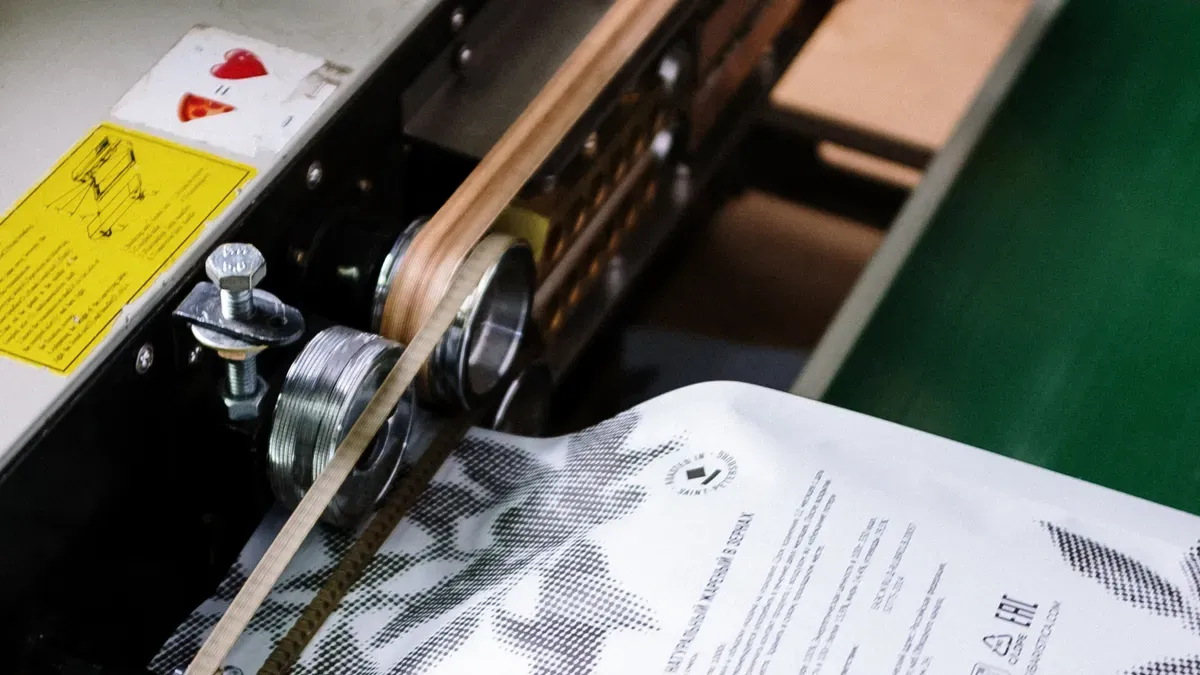
Your specific bag type, materials, and production goals decide which machine is right. Bottom seal machines are great for heavy-duty, fast work with bulk items like rice, sugar, or hardware. They make strong, long-lasting seals. Side sealing bag making machines are flexible and focus on neat seal looks. They handle many bag styles with accuracy. Each type has its own strengths that match different business needs. Here is a quick answer: pick bottom seal for tough bags for bulk goods. Pick side seal for flexible, clean-looking seals.
Key TakeawaysBottom seal machines make strong bags for heavy items like rice and sugar.
Side seal machines make tidy bags for many types, such as zipper and handle bags.
Bottom seal machines work quickly and require less training to use.
Side seal machines are flexible, but they need careful setup and trained workers.
Bottom seal machines cost more at first, but they cut waste and labor costs.
Test your materials before buying to make sure the machine will work with your film.
Plan for automation and future changes to get the best return on your investment.
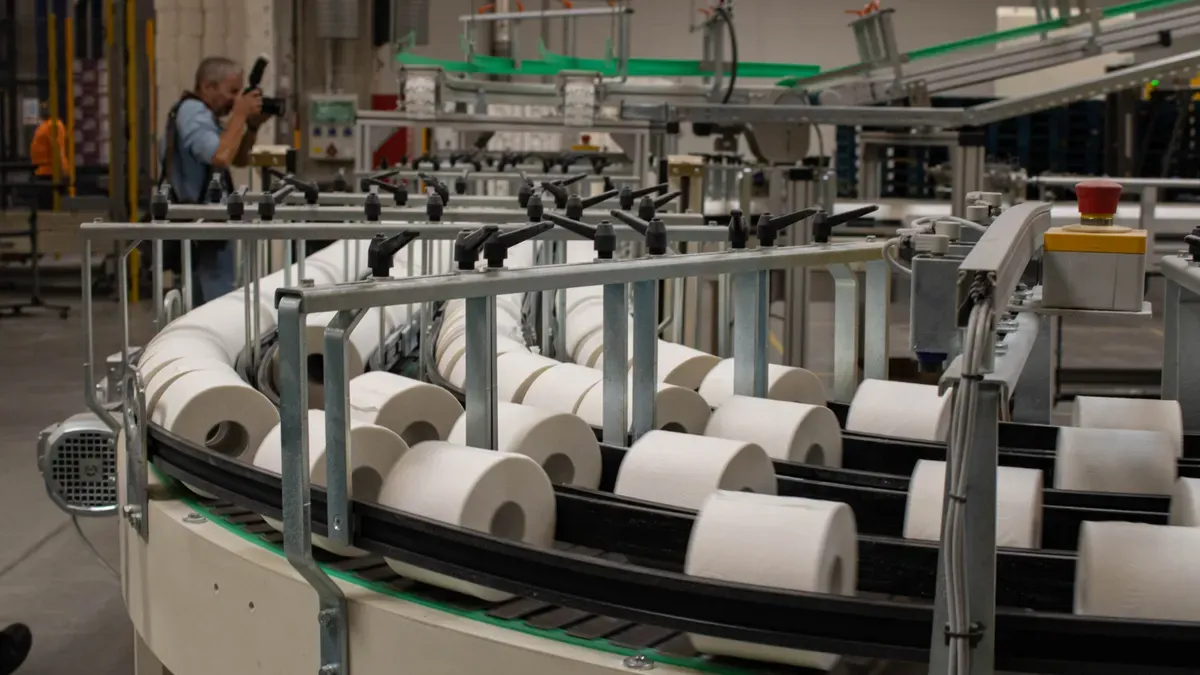
Before you choose a machine, you need to understand what each one does. The sealing position changes everything about the bag you produce. It also changes how the machine operates, what materials you can use, and how strong the final product becomes.
A side sealing bag making machine creates bags with seals along the side edges. This design produces flat bags with a clean, neat finish. You can use this machine to make flat bags, bags with handles, or bags with zippers. The machine handles many bag styles, which makes it a flexible option for different product lines.
The working process follows a clear sequence:
Film unwinding: The film feeds from a roll and moves through the machine.
Cutting and marking: Precise knife cutters and sensors mark the bag dimensions.
Sealing: Hot sealing plates or ultrasonic systems create strong seals at the sides, bottom, or handles.
Formation: The machine forms the specific bag type you need, such as flat, zipper, or handle bags.
Packaging: Finished bags move to packaging or further processing.
One important detail involves the guiding mechanism. A rotating shaft drives a transmission belt that moves the plastic bag. This system prevents deviation and ensures the heat sealing mechanism covers the preset position accurately. Side pressure rollers gently press the bag sides, with pressure controlled at 0.1-0.3MPa. These rollers provide auxiliary guiding and stabilize the bag during conveying.
A bottom seal bag making machine produces bags with a seal across the bottom edge. This machine integrates several key components, including unwinding devices, forming mechanisms, and cutting devices. The design focuses on creating bags that can handle heavy loads without failing at the seal point.
The working principle follows these steps:
Unwinding and Conveying: The machine unwinds plastic film from the unwinding device and transports it to the forming mechanism.
Forming and Heat Sealing: The film shapes into a bag at the forming mechanism. A heat sealing system melts and bonds the edges under pressure.
Cutting and Output: The heat-sealed bags cut into individual units by the cutting device. A conveyor belt sends them out for further handling.
You will find that bottom seal machines are easier to operate for flat bag production. The process is straightforward and requires less fine-tuning. Side seal machines, in contrast, require more experienced operators who understand alignment and positioning.
The sealing mechanism differs significantly between these two machines. Here is a comparison of the key operational aspects:
|
Operational Aspect |
Side Seal Machine |
Bottom Seal Machine |
|---|---|---|
|
Sealing & Cutting Position |
Along the sides; produces flat-bottom standard bags |
At the bottom; creates gusset/pouch structure for heavy loads |
|
Sealing Intensity |
Lower; standard temperature/pressure |
Higher; requires stronger temperature, pressure, and specialized jaws for leak-proof bottom seal |
|
Application Industries |
Versatile: food, retail, logistics |
Specialized: agriculture, construction, chemicals; ideal for powders, granules, liquids |
The sealing intensity matters most for durability. Bottom sealing machines deliver superior structural strength. This makes them the preferred choice for heavy-duty applications such as garbage bags and industrial packaging. Side sealing machines prioritize aesthetic quality and visual appeal. This makes them essential for e-commerce and fashion retail packaging.
You must balance durability against design quality. Bottom seal gives you strength for tough jobs. Side seal gives you clean lines for customer-facing products. Your choice depends on what your bags must carry and how they must look.
Strengths and Weaknesses: Side Seal vs Bottom SealThe seal decides how much weight your bag can hold. Bottom seal machines make a single seal across the whole bag bottom. This design works like one strong base. The weight spreads evenly across the bottom edge. Side seal machines use two separate vertical seals. The weight collects at the corners and along each seal. Heavy loads can make these spots break.
|
Strength Factor |
Bottom Seal Machine |
Side Seal Machine |
|---|---|---|
|
Load-bearing |
Better weight spread; one seal acts as one base |
Two separate seals; weight collects at corners and seams |
|
Seal integrity |
One sealing bar creates a strong bond; fewer weak points |
Two separate seals need exact alignment; more weak spots |
|
Material use |
Can add extra strength to the base (gussets, thicker material) |
Needs thicker film all over to make up for side seams |
The single sealing bar on a bottom seal machine makes a strong bond. You have fewer weak spots and less chance of misalignment. Side seal machines can get "dog ears" or weak spots when temperatures change. For heavy-duty uses like building materials or industrial chemicals, seal failure is not okay. Bottom seal machines give you the strength you need.
Speed matters when you make many bags. Side seal machines handle simple designs quickly. A side sealing bag making machine can make up to 120 bags per minute for basic T-shirt bags. Bottom seal machines run at 80-150 bags per minute for flat bags. Thin films between 10-20 microns can go over 100 bags per minute on bottom seal machines.
|
Machine Type |
Speed Range (bags/min) |
Notes |
|---|---|---|
|
Side Seal (T-shirt bags) |
Up to 120+ |
Speed drops for complex gussets |
|
Bottom Seal (flat bags) |
80-150 |
Depends on film thickness and bag length |
|
Bottom Seal (thin films, 10-20 microns) |
>100 |
Good for household garbage bags |
Heavy-duty sacks with thick LDPE film (0.05-0.10 mm) run slower at 200-300 bags per minute per lane. The longer seal time lowers speed. A twin-lane setup can output 800 bags per minute total for simple T-shirt bags. You must balance speed against seal quality. Faster speeds often mean shorter seal times, which can weaken seals on thick materials.
Material choice affects your machine choice. Both machine types handle common packaging films. Bottom seal machines work with LDPE, HDPE, and PP. They also run biodegradable or corn starch-based film with changed sealing settings. Side seal machines handle OPP, CPP, PE, and laminated films.
Bottom seal compatible materials:
PE, HDPE, LDPE, PP
Biodegradable PLA/PBAT
Recycled PE (PCR/PIR)
Co-extruded pouches
Side seal compatible materials:
OPP, CPP, PE
Laminated films
Side seal machines offer more options with add-on parts. You can add ultrasonic welding, hole punching, triangle folding, or glue spray. These options let you make three side seal pouches, zipper side seal bags, and courier sleeves. Bottom seal machines use a quick mold change system. An adaptive pneumatic press adjusts for recycled film thickness changes. Your engineering team can check samples and suggest the best setup for each material.
The choice comes down to what you make. If you need one strong bag type at high volume, bottom seal works best. If you need many bag styles with different materials, side seal gives you the flexibility.
Applications: Side Seal vs Bottom Seal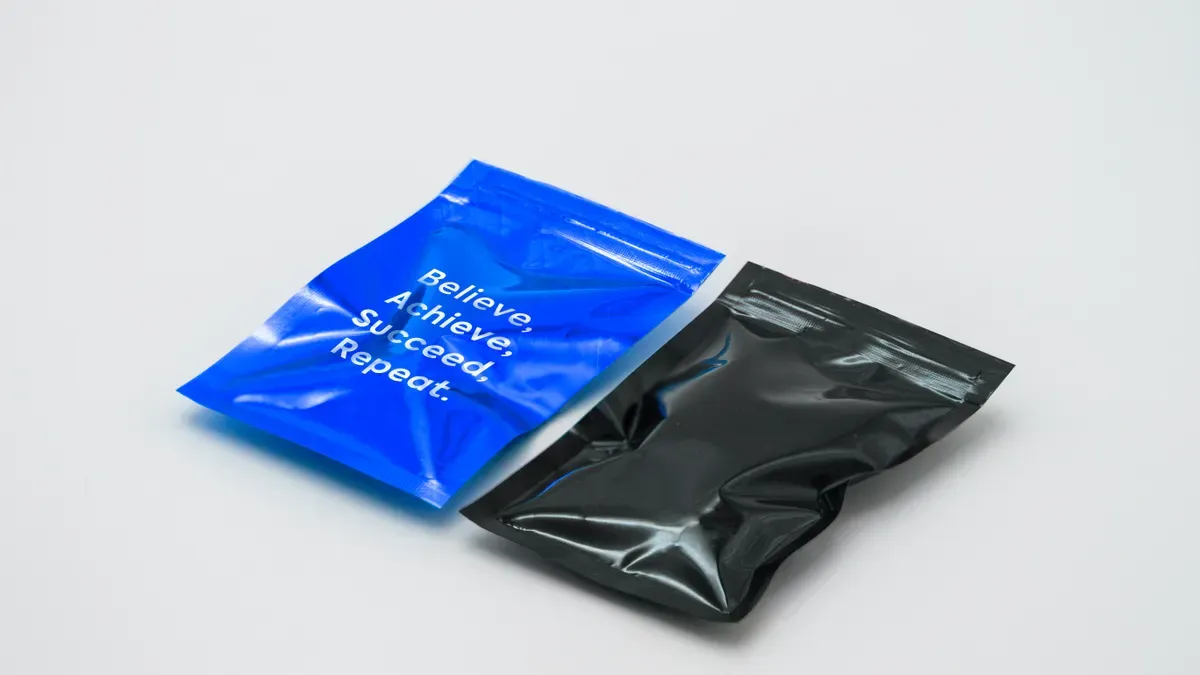
What you make decides which machine fits best. Each machine type works best in different markets. Knowing these uses helps you pick the right equipment for your production needs.
A side sealing bag making machine works great when you need many options. You can make different bag styles on one machine. This flexibility makes it popular with converters who serve many customers with different needs.
The machine handles several bag styles without big changes. You can make pre-made bags for store displays. You can switch to stand-up bags for premium items. Four-side seal bags work well for flat products like wipes or medical supplies. Three-side seal bags fit snacks and small parts. Special-shaped bags give your customers a unique look that standard bags cannot offer.
Zipper pouches and stand-up pouches are the high-value options here. These styles earn better profits than plain flat bags. You can fill them with granular and solid items like candy, nuts, raisins, peanuts, chocolate, and pet food. The clean seal look matters because shoppers see the package before the product. A neat, even seal shows quality and builds trust in the brand.
The visual benefit goes beyond everyday goods. Online shopping packages look more professional with crisp side seals in unboxing videos. Clothing stores use side seal bags for garments where looks drive sales. Shipping companies pick side seal courier sleeves for their neat finish.
You do give up some speed for this flexibility. Side seal machines can run fast, but they need exact alignment. Workers must watch film tracking and seal position all the time. Small mistakes create visible flaws that ruin the bag. This need for precision means you need trained staff who know how to adjust the machine.
Bottom seal machines lead the heavy-duty packaging market. They make bags that hold heavy weight without seal failure. This dependability makes them the top pick for bulk goods.
Rice, sugar, and salt move through bottom seal machines in huge amounts. These products need bags that handle stacking, shipping, and rough use. The single bottom seal spreads weight evenly across the base. Screws, nails, and other hardware also pack well in bottom seal bags because sharp edges do not put stress on one spot. Pesticides and farm chemicals need strong packaging that stops leaks and contamination. The better load strength of bottom seal design meets these strict needs.
Steady speed gives bottom seal machines another edge. They run standard bags at consistent, predictable rates. You do not need constant adjustments when making the same bag size over and over. This consistency leads to higher output and lower labor costs per bag.
The simpler operation also cuts training time. New workers can learn the basics fast because the process follows a clear order. You spend less time fixing problems and more time making bags.
Some uses fall between these two types. You might make light shopping bags that need both speed and decent looks. Both machine types can do this job, but your main goal decides the best choice.
Garbage bags are a big overlap area. Household garbage bags use thin films that run fast on bottom seal machines. Industrial garbage bags need thicker material and stronger seals, which also favors bottom seal design. The choice becomes clear when you think about the bag's purpose.
Stand-up pouch production sometimes uses bottom seal machines when the pouch design allows it. However, side seal machines give more design freedom for complex pouch shapes. You should check your exact pouch specs before deciding.
Special uses include medical packaging, where seal strength is critical. Both machine types can make medical bags, but testing rules may favor one design over the other. Food service packaging for restaurants and cafeterias also covers both types. Portion bags work well on side seal machines, while bulk food service bags fit bottom seal production.
Your choice comes down to your product mix. If you make one or two bag types in high volume, bottom seal gives the best value. If you serve many customers with different bag needs, side seal offers the flexibility you want. Think about your current orders and your growth plans before making this investment.
Cost and ROI: Side Seal vs Bottom SealMoney matters when you pick a bag making machine. The purchase price starts the conversation, but operating costs and maintenance shape your long-term profit. You need the full picture before you invest.
The upfront price differs between the two machine types. A side sealing bag making machine typically costs between $12,000 and $28,000. A bottom seal machine runs higher, from $18,000 to $45,000. The price gap reflects the heavier construction and stronger sealing systems on bottom seal units.
|
Machine Type |
Initial Investment Range |
|---|---|
|
Side Seal Bag Making Machine |
$12,000 – $28,000 |
|
Bottom Seal Bag Making Machine |
$18,000 – $45,000 |
Operating costs also differ. Bottom seal machines use more energy because they need higher sealing temperatures and pressure. You pay more for electricity each month. Side seal machines run cooler and use less power. However, side seal machines need more skilled operators. You pay higher wages or spend more on training. The labor cost can offset the energy savings.
Material waste affects your bottom line too. Bottom seal machines produce consistent bags with fewer rejects. The simpler process means less trial and error. Side seal machines require precise alignment. Small mistakes create wasted film and rejected bags. Over a year, these losses add up.
Both machines need regular care, but the maintenance patterns differ. Bottom seal machines have fewer moving parts in the sealing section. The single sealing bar stays reliable with routine cleaning and occasional jaw replacement. You spend less time on adjustments and more time producing.
Side seal machines have more components that need attention. The rotating shaft, transmission belt, and side pressure rollers all wear over time. You must check alignment regularly. The ultrasonic or hot sealing systems need calibration. These tasks require trained technicians. Your maintenance budget should account for more frequent service calls.
The build quality affects how long each machine lasts. Bottom seal machines use heavier frames and stronger components. They handle the stress of high-speed production with thick materials. Many operators report extended service from well-maintained bottom seal units. Side seal machines last well too, but the extra components mean more parts can fail.
You calculate ROI by comparing total costs against revenue from bag sales. Start with the purchase price. Add yearly operating costs, including energy, labor, and maintenance. Then estimate your yearly output and profit per bag.
A simple formula guides your thinking: ROI = (annual profit - annual operating costs) / initial investment. This gives you the payback period in years. A bottom seal machine costs more upfront but may produce more bags per hour. Higher output means more revenue. A side seal machine costs less but may need more operator attention. Your labor costs rise.
Consider your production volume. High-volume operations often justify the higher bottom seal price. The speed and consistency pay back the extra cost within months. Low-volume producers might prefer the lower entry price of a side seal machine. You avoid tying up capital you cannot use.
Think about your product mix as well. A side seal machine that makes many bag styles spreads its cost across multiple product lines. A bottom seal machine earns its keep through sheer output volume. Match the machine to your sales plan, not just the price tag.
Case Studies: Side Seal and Bottom Seal in ActionReal-world examples show how these machines work in actual production settings. Each case highlights the factors that led to a specific choice. You can use these stories to guide your own decision.
A mid-sized snack company in the Midwest faced a growing problem. Their existing packaging line produced bags with uneven seals. Customers complained about torn packages. The company lost money on returned products and damaged goods.
The company made premium trail mix and dried fruit. Their customers expected a clean, professional look. The old machine could not deliver that quality. The owner started researching new options.
They compared bottom seal and side seal machines. The bottom seal option offered strength and speed. But the company needed more than durability. They wanted pouches with zippers and stand-up designs. These styles required the flexibility of a side sealing bag making machine.
The switch brought immediate improvements. The new machine produced crisp, even seals on every bag. The zipper attachment worked smoothly. The company added new product lines. Their customers noticed the upgrade. Repeat orders increased because the packaging looked trustworthy.
The owner noted one trade-off. The side seal machine needed more operator attention. Workers had to monitor film alignment constantly. The company invested in training for key staff members. That investment paid off through fewer rejected bags and consistent quality.
A leading Vietnamese bag manufacturer served retail chains across Southeast Asia. Their customers ordered millions of flat bags for grocery and department stores. The company needed speed and reliability above all else.
Their old equipment struggled with heavy-duty film. Thick LDPE material required higher sealing temperatures. The machines could not maintain consistent pressure. Seal failures created waste and slowed production.
The management team evaluated both machine types. Side seal machines offered design flexibility. But the company produced one standardized bag style in massive volumes. They did not need multiple bag shapes. They needed output and durability.
They switched to bottom seal machines designed for heavy-duty work. The results came quickly. Production output increased by 25 percent. Material waste dropped by 15 percent. The stronger seals handled thick film without failures. The company met their delivery deadlines with room to spare.
The simpler operation also reduced training time. New workers learned the bottom seal process in days, not weeks. The company redirected saved labor hours toward quality checks. Their customers noticed the improvement in bag consistency.
These two cases show how production goals drive machine choice. The snack company needed versatility and visual quality. The Vietnamese manufacturer needed speed and strength. Each chose the machine that matched their priorities. You should do the same. List your bag styles, materials, and volume targets. Then match those needs to the right equipment.
Decision Guide: Choosing Between Side Seal and Bottom SealYour bag style sets the first filter. Flat bags for bulk goods point toward bottom seal machines. Pouches, zipper bags, or handle bags need a side sealing bag making machine instead. The machine must match the shape you produce.
Material comes next. Standard polyethylene works on both machine types. But recycled films, biodegradable PLA, or laminated materials behave differently. You must run material compatibility tests with the exact film you plan to use. Include barrier measurements to confirm the seal holds under real conditions. Machines calibrated only for virgin polyethylene often struggle with bio-based or high-PCR films.
Production volume shapes your budget decision. For lower volumes, an automatic L sealer with bottom seal design offers a lower entry cost. For higher throughput needs, a continuous side seal system justifies the higher investment. The faster machine gives you headroom to double output without adding a second unit. Think about your growth over the next several years.
Budget covers more than the purchase price. You must quantify the total cost of ownership across a multi-year period. Include film cost differences, machine throughput, rejection rates, and expected shelf-life gains. A machine that costs more upfront but wastes less film or runs faster often pays for itself within months. Energy efficiency and automation level also affect long-term operating costs. Machines with higher automation reduce labor expenses and improve consistency.
Industry experts recommend a structured framework for this decision. Follow these steps in order.
Run material compatibility tests with the exact film you plan to use. Measure barrier properties to confirm seal integrity. This step prevents surprises after installation.
Conduct pilot runs at the machine supplier's facility. Use your actual product to validate the pouch choice and line configuration. Seeing the machine run your material reveals issues no spec sheet can show.
Quantify the total cost of ownership across both scenarios over a multi-year period. Factor in film cost differences, machine throughput, rejection rate, and expected shelf-life gains. A product that misses export windows due to short shelf life may cost far more than the incremental pouch price.
Define your quality assurance criteria and inspection set-points before you purchase. Know what seal strength, dimensions, and visual standards you need. This clarity helps you compare machines on equal terms.
Plan line integration from the start. Cover the weigher, filler, seal inspection, and secondary packaging. A standalone bag maker without automated stacking, counting, or punching systems creates a labor bottleneck that cancels out the machine's speed advantage.
After you choose a supplier, evaluate their after-sales service. Key services include remote video consultation, maintenance teaching, and in-person repairs. Remote video consultation gives you immediate expert guidance to resolve issues and reduce downtime. Maintenance teaching trains your team to follow correct procedures and prevent future problems. In-person repairs for severe situations provide a safety net for critical failures. These services keep your machine running at peak performance.
Many buyers make the same mistakes. Avoid these traps to protect your investment.
Ignoring bioplastic compatibility. Machines calibrated only for virgin polyethylene may fail to process PLA, PBAT, or high-PCR films. As sustainability regulations tighten, that machine becomes a stranded asset. Always test with actual materials at production speeds.
Underestimating web tension control. Focusing only on output speed while neglecting the unwind stand leads to stretched thin-gauge films, misaligned print registration, and weak seals during high-speed runs. The unwind section deserves as much attention as the sealing station.
Neglecting downstream integration. Buying a standalone bag maker without automated stacking, counting, or punching systems creates a labor bottleneck. The machine's speed advantage disappears when workers cannot keep up with the output.
Skipping operator training. Complex machinery needs skilled operators. Negotiate on-site training as part of your purchase agreement. Well-trained staff reduce ramp-up time and prevent costly mistakes.
Not planning for future product changes. Choose modular machines that can handle slight upsizing in bag width or length without major retrofits. A rigid machine limits your ability to adapt as market demands shift.
Selecting the right machine comes down to honest evaluation of your current needs and future growth. Follow the checklist, test your materials, and plan for integration. The right choice pays off in higher output, fewer rejects, and a stronger bottom line.
Bottom seal machines win for heavy-duty, high-volume, standardized bags. Side seal machines offer versatility and clean aesthetics for specialized products. Your specific requirements determine the better choice.
Use the decision guide and checklist above. Test your materials, calculate total ownership costs, and plan for integration.
Automation will transform both machine types. Servo motor systems reduce energy consumption. Heat recovery technology boosts efficiency. Eco-friendly materials like PLA and PBAT require precise temperature control. Modular designs enable quick bag type changeovers. AI dynamic adjustments optimize sealing for different films.
Contact us for a free consultation to evaluate your bag making needs.
FAQFollow the manufacturer's schedule for routine care. Bottom seal machines need regular cleaning and occasional jaw replacement. Side seal machines need more frequent checks on the rotating shaft, transmission belt, and pressure rollers. Daily visual inspections catch small problems before they grow.
Yes, both machine types accept automation upgrades. You can add servo motor systems that reduce energy consumption. Heat recovery technology boosts efficiency. AI dynamic adjustments optimize sealing for different films. These upgrades reduce labor costs and improve consistency.
Side seal machines run cooler and use less power. Bottom seal machines need higher sealing temperatures and pressure, which drives up electricity costs. However, bottom seal machines produce fewer rejected bags. Lower waste can offset the higher energy bill over time.
Yes, always run material compatibility tests with your exact film. Measure barrier properties to confirm seal integrity. Machines calibrated only for virgin polyethylene often struggle with PLA, PBAT, or high-PCR films. Test at production speeds, not just in the lab.
Bottom seal machines are easier to operate for flat bag production. New workers can learn the basics quickly. Side seal machines require more experienced operators who understand alignment and positioning. You may need to invest in training for key staff members before switching to a side seal system.
Many machines accept modular upgrades. You can add ultrasonic welding, hole punching, triangle folding, or glue spray systems. Quick mold change systems let you switch bag types faster. Check with your supplier about compatibility before purchasing add-ons. Some older machines may not support newer automation components.
Warranty terms vary by supplier and machine type. Ask about coverage for sealing jaws, heating elements, and electronic controls. Confirm whether the warranty includes labor or only parts. Evaluate after-sales services like remote video consultation, maintenance teaching, and in-person repairs. These services keep your machine running at peak performance.
"4mmx2mm Disc Magnet" from S****** received 4 quotation(s)