Date: 2026.08.29 Click: 7
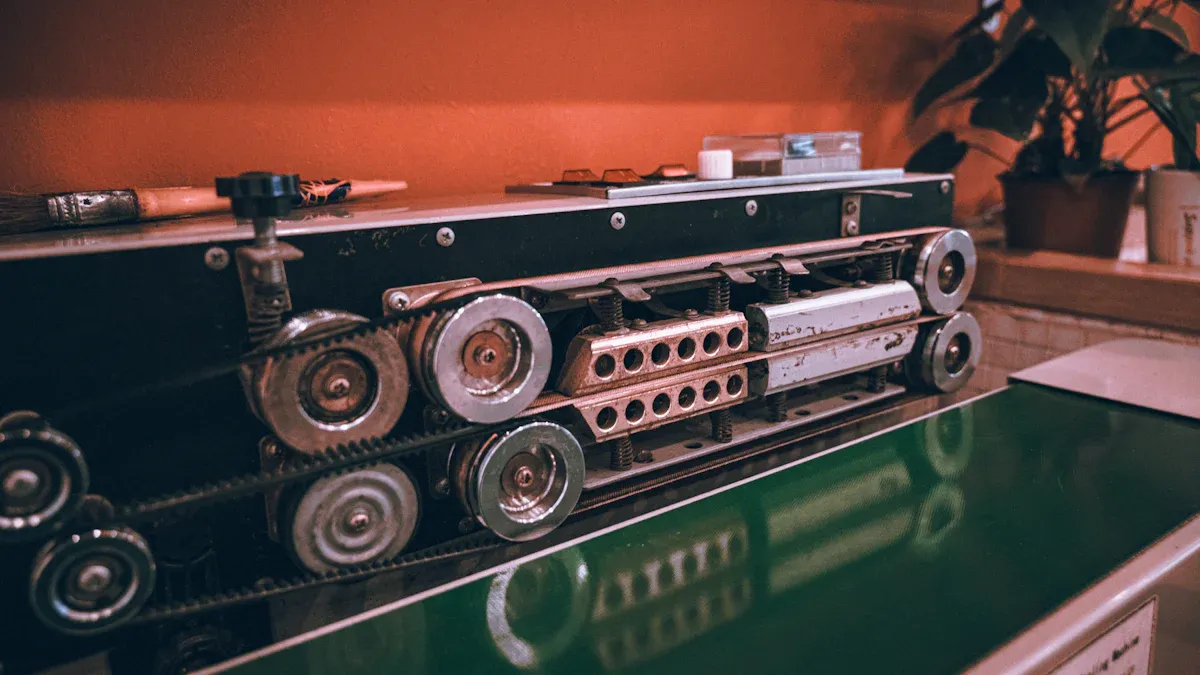
A t shirt bag making machine turns plastic film into the vest-style bags you see at grocery checkout counters. You feed a roll of polyethylene film through rollers, and the machine seals and cuts each bag in one smooth motion. Fast models can make up to 300 bags per minute, while some lines run between 100 and 380 bags per minute. This design focuses on speed and accuracy. You can adjust the machine to make different bag sizes. It works with HDPE, LDPE, or LLDPE materials. The design also uses servo controls to cut handles precisely. Each t-shirt bag comes out with a clean bottom seal and punched handles. The design cuts down on waste and labor costs. You will learn how this equipment works and which design choices matter most.
Key TakeawaysA t-shirt bag making machine quickly turns plastic film into grocery bags.
The machine uses HDPE, LDPE, or LLDPE plastic, and each type has its own strengths.
Fast machines can make up to 300 bags every minute.
Servo motors and touchscreens let you set the bag size and seals with exact control.
The machine works in three steps: it unwinds the film, seals and cuts it, then stacks the bags.
Automatic machines use less work and create less waste, which saves money.
You can find these bags at grocery stores, retail shops, and for takeout packaging.
A t shirt bag making machine is a special industrial tool that makes the vest-style plastic bags you see at store checkout counters. This machine turns a roll of plastic film into finished bags using a dual-parallel process, which means it makes two bags at once for better efficiency.
A T-shirt bag making machine is an automated system that turns plastic film into T-shirt bags—named because they look like a sleeveless T-shirt when folded.
The machine handles everything: unwinding the film, sealing the bottom and sides, cutting out the handle holes, and stacking the finished bags. You can run these machines at high speeds, with typical production rates hitting 300 strokes per minute. A full automatic machine in this group is priced according to its features and capacity. Retail and grocery stores depend on this equipment to make the lightweight bags customers use for carrying purchases.
The material you pick directly affects bag strength, look, and cost. Three types of polyethylene are commonly used: HDPE (high-density polyethylene), LDPE (low-density polyethylene), and LLDPE (linear low-density polyethylene). Each has unique traits that make it good for different uses.
|
Property |
LDPE |
HDPE |
LLDPE |
|---|---|---|---|
|
Flexibility |
High |
Low |
High |
|
Strength |
Moderate |
High |
Very High |
|
Thickness Needed |
Medium |
Thin |
Medium |
|
Puncture Resistance |
Moderate |
Moderate |
High |
|
Appearance |
Clear/Smooth |
Opaque/Crinkly |
Slightly cloudy |
|
Best For |
Retail packaging |
Shopping bags |
Industrial bags |
HDPE is the top choice for standard t-shirt bags because it is strong even when thin. The molecular structure of high-density polyethylene has less polymer chain branching, which leads to bonded and tightly packed molecules. This density ranges from 0.941 to 0.965 g/cm³, which is higher than LDPE (0.91-0.925 g/cm³) and LLDPE (0.91-0.94 g/cm³). This density directly gives the strength-to-thickness ratio needed for lightweight yet strong shopping bags.
Several traits make HDPE perfect for bag production:
Stiff and strong structure: HDPE is much denser than LDPE or LLDPE resins, so it is stiffer and tougher. This allows for thinner poly bag manufacturing, which saves a lot of money.
Cloudy appearance: Unlike LDPE's clarity, HDPE is cloudy and almost frosty. While this is a downside for retail product display, it works well for t-shirt bag style applications.
Cost-efficiency and durability: HDPE offers cost-efficiency, durability, and great strength, making it ideal for lightweight shopping bags.
Lightweight design and impact resistance: HDPE provides a lightweight structure with high-impact resilience, suitable for carrying groceries and merchandise.
Thickness range: 12 – 25 microns for Standard HDPE T-shirt bags.
In contrast, LDPE's branched structure makes it very flexible but with lower tensile strength. You need more LDPE material for the same load-bearing capacity. LLDPE's multiple short branches provide flexibility and puncture resistance better suited for industrial uses rather than standard t-shirt bags.
Modern machines deliver impressive production speeds. High-speed models can reach up to 300 strokes per minute, with some lines running between 100 and 380 bags per minute. This speed lets you produce thousands of bags per hour with steady quality. The machine's design supports quick-change tooling that cuts downtime when you switch between different bag sizes. This changeover ability keeps your production line running smoothly.
|
Feature |
Description |
|---|---|
|
Changeover Speed |
Quick-change tooling reduces downtime when switching bag sizes. |
|
Gusset Mechanism |
Robust and adjustable gusset assembly for producing gusseted bags. |
|
Punch and Stacker Options |
Automatic punching and stacking improve consistency and reduce manual labor. |
|
Sealing Technology |
Different sealing types (star, flat, bottom) affect bag strength and appearance. |
|
Energy Consumption |
Servo machines consume less power than older hydraulic or pneumatic systems. |
Each feature listed above adds to overall machine performance. The gusset mechanism lets you produce bags with side folds that flatten for compact stacking. The sealing technology you pick determines how well the bag bottom holds under weight. Punch and stacker options automate the final steps of bag handling, cutting the need for manual sorting. The gusset mechanism on these machines is robust and adjustable. You can produce gusseted bags with precise folds. Automatic punching and stacking options improve consistency and reduce the manual labor you need for bag handling.
The design of modern machines uses servo motors for precise control. Servo-driven systems replace older mechanical or pneumatic systems. This design gives you accurate positioning of the sealing and cutting parts. A touch interface lets you adjust machine settings quickly. You can change bag length, sealing temperature, and cutting position through the screen.
Servo machines use less power than older hydraulic or pneumatic systems. This energy efficiency lowers your operating costs over time. The touch interface also stores settings for different bag sizes. You can recall these settings when you switch production runs, which speeds up changeovers. The mix of servo control and digital interface ensures each bag has consistent dimensions and clean seals.
The design of the sealing system affects bag strength and appearance. You can choose from different sealing types: star seal, flat seal, or bottom seal. Each type serves a different purpose in bag function. The machine's design also supports custom setups for specialized bag needs. Whether you need embossed handles, reinforced bottoms, or printed films, the machine adapts to your needs.
T-Shirt Bag Making Machine Components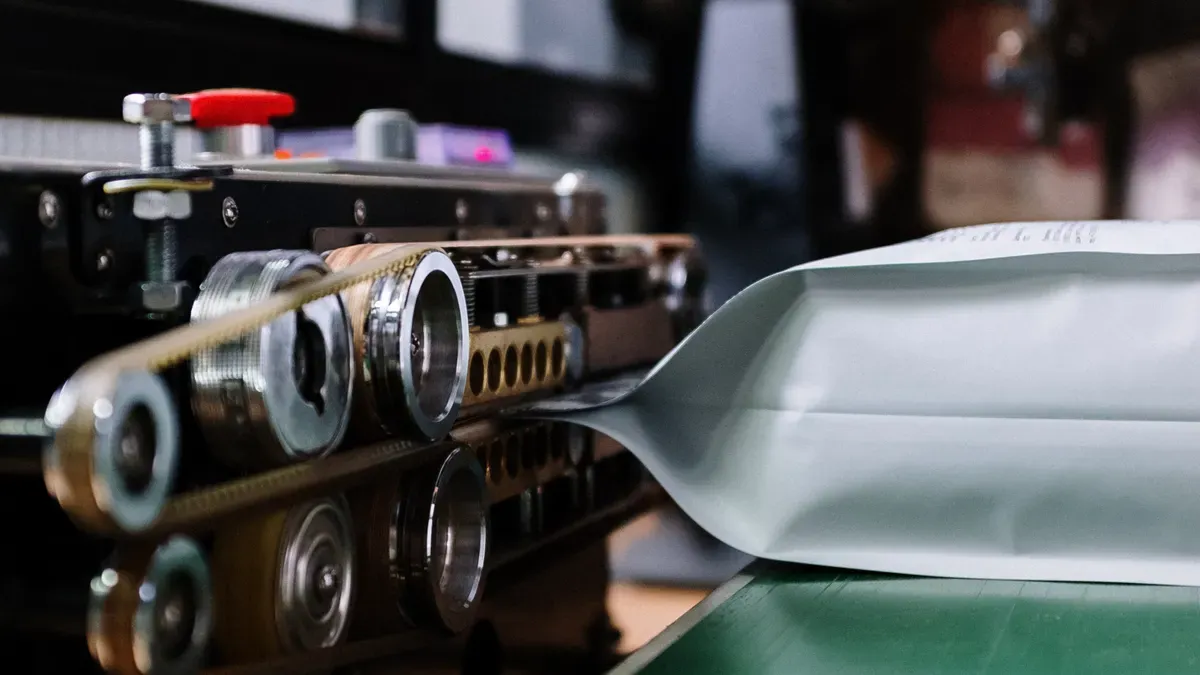
The unwind unit starts the bag-making process. It pulls film from the roll and feeds it into the machine. This unit uses a closed-loop control system. Sensors monitor film tension continuously. When tension moves outside the safe range, the sensors adjust the unwinding speed automatically. This design prevents two problems. First, it stops the film from tearing when speed gets too high. Second, it keeps production efficient when speed drops too low. The system responds instantly to changes. You do not need to adjust settings manually during operation.
The automatic constant tension control module used magnetic particle brakes and ultrasonic sensors to maintain consistency of film tension during acceleration/deceleration and prevent stretching deformation.
This tension control module is a key part of the machine design. Magnetic particle brakes provide smooth resistance. Ultrasonic sensors measure tension without touching the film. The system keeps tension steady during speed changes. This prevents stretching that could ruin the film. Consistent tension also improves the accuracy of later steps. The sealing and cutting mechanisms depend on stable film feed.
The sealing and cutting mechanism shapes each bag. Heat seals the bottom and sides of the bag. The design uses servo motors for precise control. You can set the sealing temperature through the touch interface. The seal must be strong enough to hold groceries. Different sealing types affect bag strength. Star seals, flat seals, and bottom seals each serve different purposes. You can switch between seal types based on your needs.
The cutting mechanism removes the handle opening. This cut creates the t-shirt shape that gives the bag its name. The design ensures clean cuts without rough edges. Servo motors position the cutting blade accurately. You can adjust the cut position for different bag sizes. The machine stores settings for multiple designs. This speeds up changeovers between production runs. The combined sealing and cutting process runs at high speed. You get finished bags in a single pass.
The gusset mechanism folds the sides of the bag inward. This fold creates a flat profile for stacking. The design is robust and adjustable. You can produce different gusset widths. The bottom seal forms during the folding process. This combination of folding and sealing happens in one smooth motion. The result is a neat, compact bag ready for stacking. The gusset mechanism also helps the final t-shirt bag pack flat.
After cutting, the bags move to the automatic stacker. The stacker counts the bags and organizes them into piles. The conveyor carries these piles to the packaging area. This design reduces manual labor significantly. Workers do not need to handle each bag individually. The stacker ensures consistent pile sizes. The conveyor moves bags at a steady pace. This keeps the entire production line running smoothly. The automatic system handles output without stopping. You can run the machine at full speed without building up a backlog. The machine produces each t-shirt bag with consistent quality.
T-Shirt Bag Making Machine Working Process
The working process of a t shirt bag making machine follows a clear sequence. You can think of these steps as a set of step-by-step instructions that the machine runs automatically. The machine takes flat plastic film and turns it into finished t-shirt bags. It does this through three main stages. Each stage supports the next one. Let me walk you through each step.
The process begins at the unwind stand. You place a jumbo roll of plastic film on the stand. The machine pulls the film from this roll and feeds it into the production line. The unwind unit uses tension control to keep the film flat and smooth. It also uses an EPC system, which stands for edge position control. This system tracks the edge of the film. It makes small adjustments to keep the film centered. This design prevents the film from shifting sideways during production. The film stays wrinkle-free and stable as it enters the machine.
Two twin independent servo-driven feeding motors control the bag length. These motors run on separate lines for each bag. The automatic tension control system uses a cylinder-brake setup on four independent unwind rolls. This design keeps the tension steady as the film moves through the machine. The motors adjust speed based on the bag length you set. You enter the length through the touch interface. The system responds instantly to changes in speed or tension.
Improper feeding can cause many problems. You might see these defects:
Wrinkling or shifting of the film
Tearing or stretching of the film
Inconsistent bag length
Wrinkles that appear before the sealing step
Film tearing from excessive tension or sharp edges on the machine
Jamming, where the film gets stuck or misaligned
Misfeeding, which leads to inconsistent sealing
Rips in the film
Faulty seals
Crooked punch holes
Film sagging or breaking
Uneven edges
Off-center closures
These defects reduce your output and waste material. Proper tension control and alignment prevent most issues. The machine's design adjusts these parameters automatically. You do not need to intervene during normal operation. The step-by-step instructions guide the machine through each motion. The feeding system operates continuously without breaks.
The film moves into the sealing section after feeding. Heating elements apply heat to the film. The heat melts the plastic at specific points. This creates a bond that forms the bottom and sides of the bag. The sealing temperature is critical. You set this temperature through the touch interface. The design of the sealing system ensures a strong bond. The seal must hold the weight of groceries or merchandise. Different sealing types produce different results. Star seals, flat seals, and bottom seals each have their own strengths.
The machine uses servo motors to control the sealing position. This ensures each bag has the same dimensions. The sealing bars press down on the film at the right moment. The film cools quickly after sealing. The bond solidifies into a permanent seal. The seal must be airtight. A weak seal can cause the bag to fail under load. The machine monitors the temperature continuously. It adjusts the heat to maintain consistent quality.
After sealing, the machine cuts the handle opening. This cut creates the t-shirt shape. The cutting blade removes the material for the handle hole. Servo motors position the blade accurately. You can adjust the cut position through the touch interface. The machine stores settings for different bag sizes. This speeds up changeovers between production runs.
The cutting process must be clean. Rough edges can weaken the bag. The machine's design ensures smooth cuts. The handles must be strong enough to carry weight. The combination of sealing and cutting happens in one rapid motion. The machine produces finished bags at high speed. The blade moves precisely to avoid tearing the film. The waste material from the handle cut gets collected separately.
The continuous film now contains individual bag shapes. The machine uses rotary blades to cut the film into separate t-shirt bags. Each bag now has handles, side seals, and bottom gussets. The rotary blades slice through the film cleanly. This creates individual bags ready for the next step.
The gusset folding mechanism creates the side folds. These folds give the bag its flat profile. The bags collapse neatly for compact stacking. This folding step happens as the bags move toward the stacker.
The machine automatically counts each bag as it comes off the line. This counting system tracks the number of bags produced. You can set the count for each stack. The counted bags then move to the stacking unit. The stacker organizes the bags in neat piles. The bags align in an orderly fashion. This preparation makes the final packaging step easier.
The conveyor carries the stacked bags to the packaging area. Workers can pack the bags into boxes or wrap them for shipping. The automatic system handles the entire process without stopping. You can run the machine at full speed without building up a backlog. The design of the stacking and conveyor system reduces manual labor. Workers do not need to handle each bag individually. This keeps production efficient and consistent. The entire process runs in a cycle. The machine repeats these steps continuously as long as film is available.
Types of T-Shirt Bag Making MachinesWhen you pick a bag making machine, you need to know the main types. Each type works for different production needs. The best choice depends on how many bags you make, your money, and the bag details.
The drive system is the heart of any bag making machine. There are two main designs: servo-driven and mechanical. Each one changes your production in different ways.
Servo-driven machines use digital motors for exact control. A three-servo system controls feeding, sealing, and pulling on its own. This setup gives very precise positioning. You get the same bag sizes and strong seals every time. The waste rate drops a lot because the machine uses less material. Servo motors react fast. They let you speed up, slow down, and position exactly. This increases your output speed and lets you run fast all the time. You can handle big production runs without losing quality.
The design of servo-driven machines also lets you change production easily. You adjust the settings to switch between different bag types. You can change from flat bags to vest bags to roll bags without complex mechanical changes. This lowers your equipment cost because one machine makes many products. Saving energy is another benefit. Digital control gives just the right amount of motor power for your needs. You use less energy. Steady operation also cuts down on waste material.
Servo-driven machines are easy to run and maintain. A simple touchscreen lets you set options and watch production. Built-in problem finding quickly spots issues. You only need to oil the servo motors and key parts. This lowers your running costs over time.
Mechanical machines use older mechanical drive systems. They are an alternative to servo-driven machines but lack the precision and automation.
The way the seal is made decides how the machine forms the bag. For T-shirt bag production, the standard is bottom sealing. The source evidence puts these bags under the bottom sealing type. Side sealing is used for three-dimensional or pocket-style bags.
Bottom sealing machines make the seal across the bottom of the bag. This way works best for T-shirt bags because the bag opens from the top. The handles form at the top while the bottom seal holds the weight of the contents. The seal gives you a strong bag that can carry groceries or goods.
Side sealing machines make seals along the sides of the bag. These machines work well for courier mailers, pouches, ziplock bags, stand-up pouches, and gusseted bags. The sealing way creates a pocket or pouch shape. You would not use side sealing for this bag type because the shape does not match.
When you pick a machine, check the seal type. Make sure it matches your bag type. You always choose bottom sealing for this bag type.
The level of automation affects your labor needs and production speed. Automatic machines handle the whole process from film unwinding to finished bag stacking. You load the film roll and set the options. The machine runs without constant watching. The design of the automatic stacking system cuts down on manual handling. This lets you make bags all the time at high speed.
Semi-automatic machines need more operator work. You may have to feed the film by hand or handle the finished bags. These machines cost less but need more labor. The production speed is lower because human steps slow the process.
For large-scale production, automatic machines give you the best results. You lower labor costs and increase output. The machine's design supports steady quality because automation removes human mistakes. The overall design of the automatic system also cuts labor costs. Semi-automatic machines work well for smaller operations or special runs where you change bag types often.
Benefits and Applications of T-Shirt Bag Making MachinesA t-shirt bag making machine works faster than almost any other option. You can make hundreds of bags in just one minute. This speed helps you finish big orders on time. The machine also keeps quality steady. High-tech parts make sure every bag has the same thickness, shape, and size. You get fewer complaints from customers. Your brand looks better when your products are reliable. The machine runs fast without losing accuracy. You get bags that match your exact needs. The machine can make small, medium, or large bags. The machine can also produce different handle styles.
The machine does most of the work on its own, so you need fewer workers. This cuts your labor costs. The smart design also wastes less material. The servo system uses only the film it needs. This saves you money on materials. The machine is easy to run with touchscreens and automatic oiling. You spend less time fixing or maintaining it. The machine can also process recycled and eco-friendly materials. This helps you meet your green goals. Strong parts mean the machine breaks down less often.
T-shirt bags work well in many retail settings. Grocery stores use them to carry heavy items like canned food and fresh produce. The strong handles let customers carry many items without the bag breaking. Retail stores like these bags because they are cheap and easy to store. They work fast for busy checkout lines. Takeout and food delivery places also use t-shirt bags. The bags are strong enough for food containers, drinks, and meals. They help stop spills and leaks. You can pick from many sizes. The tough plastic resists rips and tears. You can also use the bags for advertising. Printing your logo or slogan turns each bag into a small billboard. Customers often reuse the bags, so your brand stays visible.
New t-shirt bag machines can handle eco-friendly materials. You can use recycled plastic or biodegradable films. This helps you meet the demand for greener products. The machine adjusts to these materials without big changes. You keep the same speed and quality. This flexibility gives you an edge over competitors. The machine also supports custom bag sizes and handle styles. This lets you make your products stand out.
Setting up the machine takes careful planning. You need a large space with easy access for repairs. The floor must be flat and strong enough to hold the machine. A concrete floor works best. Power is also very important. Check the manual for the right voltage and frequency. Use a separate electrical circuit just for the machine. Good airflow keeps the machine from getting too hot. Add vents or an exhaust fan if needed. The way you set up your space affects how well the machine works. Think about all these things before you buy.
The t shirt bag making machine provides a complete automated solution for high-volume bag production. This system transforms plastic film into finished t-shirt bags every day. The design of the machine integrates unwinding, sealing, cutting, folding, and stacking into one smooth sequence. This design eliminates manual handling and ensures consistent quality. A high-speed model reaches 300 strokes per minute. A full automatic machine is priced according to its features and capacity. The design of the servo-driven controls gives you precise adjustments. The design of the automatic stacker reduces labor requirements. The design of the sealing system creates strong, reliable bonds. Use this knowledge when you evaluate a t-shirt bag making machine. The right design choices help you select equipment that meets your production needs. The t-shirt shape provides easy handling for customers.
FAQFast machines can hit 300 strokes per minute. Some lines make 100 to 380 bags per minute. You can produce thousands of bags each hour with steady quality. The machine keeps the same output level during long production runs.
You can use HDPE, LDPE, or LLDPE films. HDPE works best for standard shopping bags because it stays strong even when thin. LDPE gives you more flexibility. LLDPE offers great puncture resistance. The machine adjusts to each material without big changes.
A full automatic machine is priced according to its features and capacity. This price covers the whole system with unwinding, sealing, cutting, folding, and stacking units. You also get the servo control system and touch interface. Semi-automatic models require more manual work.
You need to oil the servo motors and key moving parts on a regular basis. The touch interface shows alerts when maintenance is due. Built-in problem finding quickly spots issues. This design keeps your downtime low and extends the machine's working life.
Yes, modern machines process recycled plastic and biodegradable materials. You keep the same speed and quality with these eco-friendly options. This flexibility helps you meet customer demand for greener products without buying new equipment.
You need a large, flat area with a concrete floor. Check the manual for the correct voltage and frequency. Use a separate electrical circuit for the machine. Good airflow prevents overheating, so add vents or an exhaust fan if needed.
You enter the new dimensions through the touch interface. The machine stores settings for multiple designs. You recall these settings when you change production runs. Quick-change tooling reduces downtime, so you switch sizes quickly.
Improper film feeding causes wrinkles, tearing, and inconsistent bag length. Excessive tension tears the film. Misalignment leads to faulty seals and crooked handle holes. The automatic tension control and edge position system prevent most of these issues during normal operation.
"4mmx2mm Disc Magnet" from S****** received 4 quotation(s)