Date: 2026.07.15 Click: 6
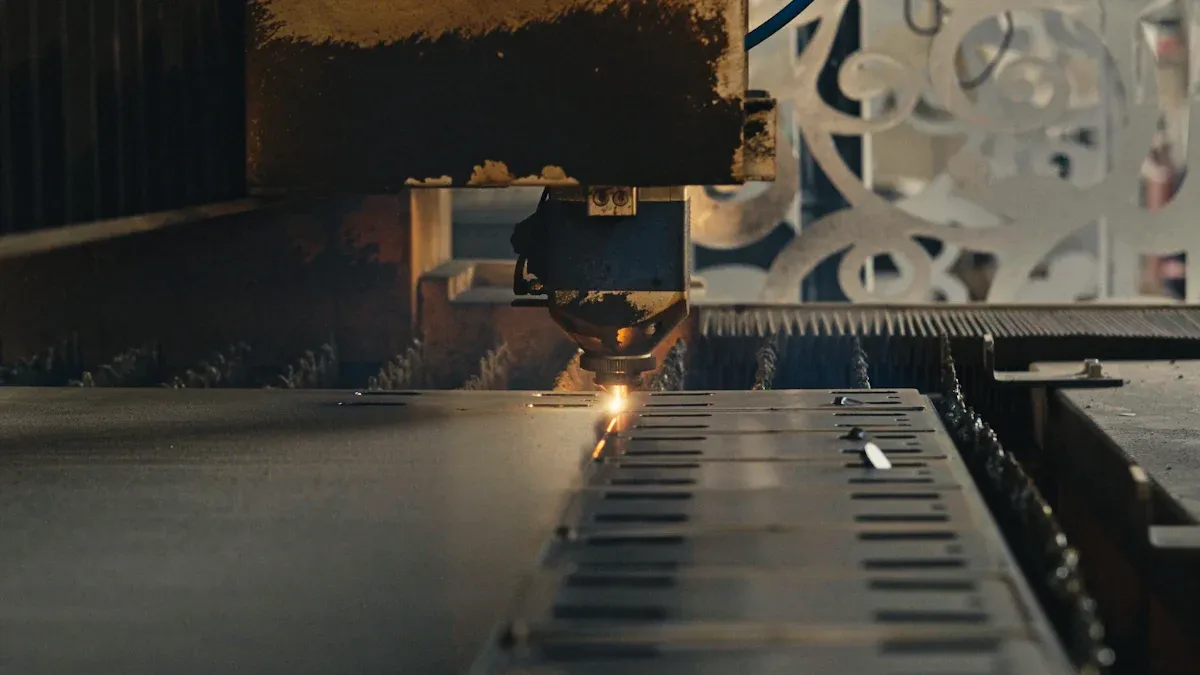
A flatbed die cutting machine helps you cut thick and hard materials. It uses a vertical press to do this job. This machine is special because it has strong cutting power. It is great for tasks that need strength and accuracy. You can use it to cut many layers at once. It makes shapes that are very exact. Flatbed die cutting machines work slower than rotary die-cutting machines. They are good for making small amounts of products. This machine cannot do kiss cutting. But it gives steady results for making industrial parts. Pick a flatbed die cutting machine if you want flexible and high-quality work.
Key TakeawaysFlatbed die cutting machines are great at cutting thick stuff. They cut with high accuracy. This makes them good for detailed shapes and small jobs. These machines save money for short jobs. You do not need to make a lot at once. Flatbed die cutting lets you pick many types of materials. You can use plastics, metals, and foils. The process uses a flatbed base, die, and platen. These parts work together to make sure cuts are right. When picking between flatbed and rotary die cutting, think about your project. Flatbed is best for custom shapes and thick stuff. Rotary is faster if you need to make a lot.
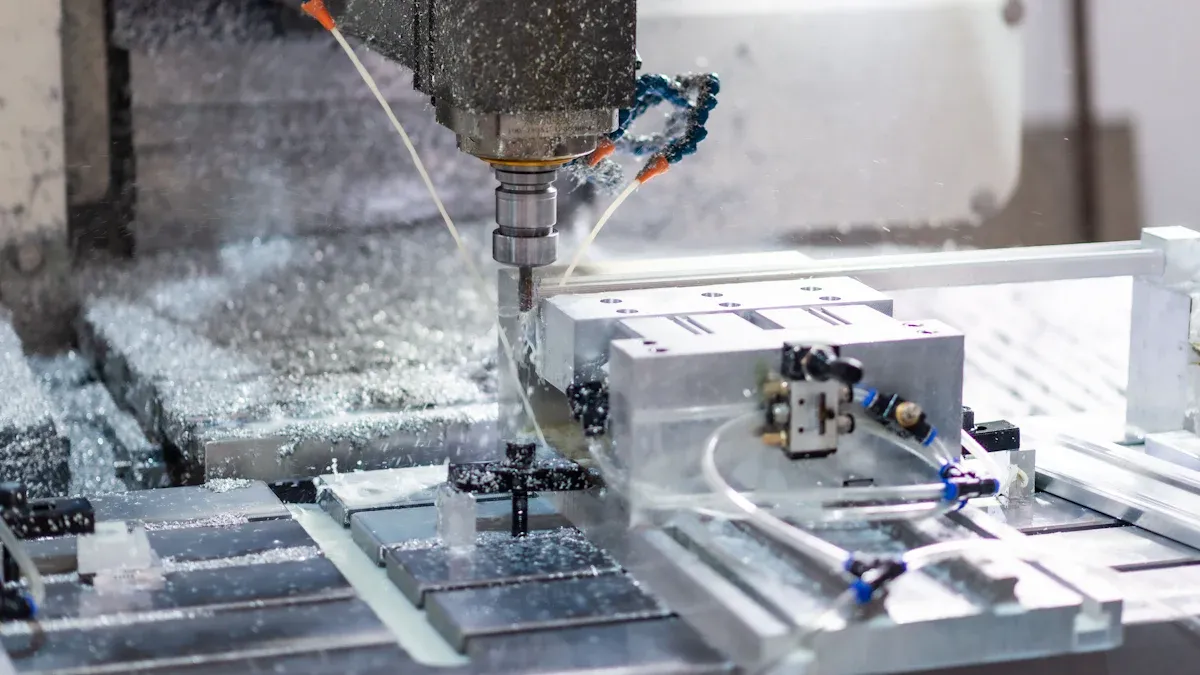
A flatbed die cutting machine is used to cut thick or strong materials. It is very good at making accurate cuts. This machine can work with many types of materials and shapes. You can use it to make detailed designs. It can also cut through many layers at the same time. If you only need a small number of items, this machine helps you save money. You do not have to make thousands of things.
Flatbed die cutting machines are not the same as other die cutting machines. They use a flat surface and a strong press to cut. This lets you cut thick sheets and make complex shapes. You can use this machine for many jobs. It is good for packaging and making parts for cars or electronics.
Here is a table that shows how flatbed die cutting machines are different from other machines:
|
Feature |
Flatbed Die Cutting Machines |
Other Die Cutting Machines |
|---|---|---|
|
Precision Cutting |
High |
Varies |
|
Material Versatility |
Wide range (paper, cardboard, plastics, metals) |
Limited to specific materials |
|
Design Complexity |
Accommodates intricate designs |
Limited design capabilities |
|
Thickness of Materials |
Can cut thicker materials |
Generally limited to thinner materials |
|
Cost Efficiency |
More affordable for short runs |
Often more expensive |
|
Sheet vs. Roll Handling |
Works with sheets |
Typically requires rolls |
You can see that flatbed die cutting gives you more choices for materials and shapes. It works better when you need to cut thick or hard materials. It is also good for short runs, so you do not waste money on big orders.
You can use flatbed die cutting with many materials, like:
Polyesters
Polyamide
Polycarbonate
Polypropylene
PVC
PMMA
Thin metal foils
Foil laminates
PSA materials
Gasket materials
Flatbed die cutting works with both soft and hard materials. You can cut plastics, metals, and special foils. This makes it a good choice for many kinds of work.
A flatbed die cutting machine has many important parts. Each part helps you get clean and exact cuts. Here are the main parts you will find:
Flatbed Base: This is where you put your material. The base does not move during cutting. It keeps your work steady.
Die: The die is the tool that cuts the shape you want. You can use different dies for different shapes. Some dies are simple, and some are very detailed.
Platen: The platen is a heavy plate that moves up and down. It pushes the die into the material. The platen gives even pressure, so every cut is the same. The stable platen helps you get very exact cuts, sometimes as close as ±0.1mm. This is important for perfect shapes in packaging or electronics.
Press System: The press system moves the platen. It can use hydraulic, mechanical, or electric power. The press system gives the force needed to cut thick or tough materials.
Feed System: The feed system moves your material into place. You can load sheets by hand or use an automatic feeder. This helps you work faster and keeps your cuts in the right spot.
Control Panel: The control panel lets you set up the machine. You can choose how much pressure to use or how many cuts to make.
Flatbed die cutting machines help you save money in many ways. The tools cost less than rotary die cutting tools. You can cut many parts at once, which saves time and money. Flatbed die cutting is best for short to medium runs. You do not have to spend extra money on big batches.
How Flatbed Die Cutting WorksTip: If you need to cut thick materials or make detailed shapes, flatbed die cutting is the best choice. You get high accuracy, lower costs, and more options for materials.
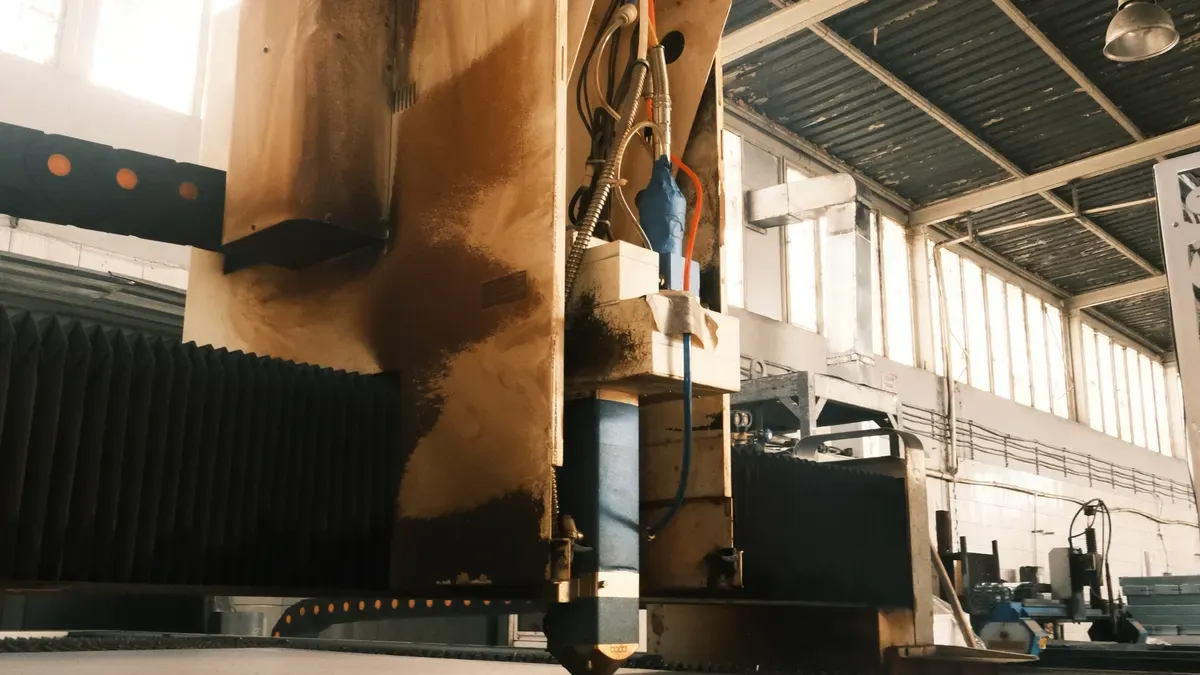
When you use a flatbed die cutting machine, you follow easy steps. The machine has a flat base that stays still. It uses a steel rule die that moves up and down. The press system pushes the die onto your material. This makes shapes that are neat and exact. Here is how you do the process:
Decide the dieline. Pick the shape you want to cut.
Choose how you will feed the material. You can do it by hand or use a machine.
Get your materials ready. Put them on the flatbed base.
Set up the tooling and registration. Make sure the die matches your material.
Start the machine. Change the pressure and speed for good results.
Remove the finished pieces from the waste material.
Check each cut. Make sure it is accurate and looks good.
You control every step. You can change settings to fit your project. The flatbed die cutting machine lets you cut thick materials. You can also make shapes that are complex.
Tip: Always check your registration before you begin. This helps you stop mistakes and save material.
The flatbed die cutting process uses a flat surface to hold your material. The steel rule die moves down and cuts through layers. You can use the machine for plastics, metals, and foils. The process works well for small jobs and custom shapes.
There are three main press systems in flatbed die cutting machines. Each system has its own benefits. The press system moves the platen. The platen pushes the die into your material. Here is a table that shows the differences:
|
Press System |
Characteristics |
Tooling Costs |
Material Capabilities |
|---|---|---|---|
|
Hydraulic |
Uses fluid pressure. You get steady force and control. |
Low tooling costs (steel rule dies) |
Cuts thick materials like corrugated boards and heavy plastics. |
|
Mechanical |
Uses toggle systems. You get quick pressure. |
Moderate tooling costs |
Works for many materials but runs slower because of start-and-stop operation. |
|
Electrical |
Uses electric motors. You get exact control and speed, often with automation. |
High tooling costs |
Handles complex shapes and fast prototyping. |
You can pick the press system that fits your job. Hydraulic presses are good for thick materials. Mechanical presses work for many materials. Electrical presses help with complex shapes and fast work.
You can use different dies in flatbed die cutting machines. Flatbed dies are best for thick materials and small jobs. Other dies do special things. Here are the main types you can use:
Flatbed cutting dies: These cut thick materials and work well for small batches.
Creasing dies: These make folds in your material.
Perforating dies: These make lines of small holes for easy tearing.
Embossing dies: These add raised designs to your material.
Heat sealing dies: These join materials using heat.
Punching dies: These make holes or shapes in your material.
Molding dies: These shape your material into special forms.
Flatbed die cutting lets you do many jobs. You can cut, crease, perforate, emboss, seal, punch, and mold. The machine gives you lots of choices for shapes and finishes. You can change dies to match your needs.
Note: Flatbed dies cost less than rotary dies. You can save money when you use flatbed die cutting for small jobs.
Flatbed die cutting gives you flexibility and accuracy. You can use it for many materials and shapes. You can pick the right die for your job and get the results you want.
Advantages & LimitationsFlatbed die cutting machines help you in many ways. They are great when you need to cut shapes that are tricky or need to be very exact. You can use them for small jobs or big pieces. This makes them flexible and helps you save money if you do not need a lot.
You can cut thick stuff and make cool designs.
Flatbed die cutting is very good for tiny, detailed shapes.
You can use it for things like folding boxes, strong packages, and special printed items.
The machine uses custom steel rule dies and strong presses to make neat, exact cuts.
Flatbed die cutting is good for jobs that need special shapes or features.
Flatbed die cutting machines work best with thick materials and hard shapes. They are very accurate for creasing and are good for small or medium jobs.
Flatbed die cutting helps you spend less money. You do not have to make a huge number of parts at once. You can change your design fast and use many kinds of materials. Flatbed machines help your parts meet high quality rules.
Flatbed die cutting has some things that are not so good. It might not be right for every job, especially if you need to make a lot or want extra steps.
|
Drawback |
Description |
|---|---|
|
Slower Production Rate |
Flatbed die cutting is slower than other ways. This can be a problem for big orders. |
|
Lack of Multi-Functionality |
You cannot add things like printing or laminating while cutting. |
|
Longer Setup Time |
It takes more time to get the steel rule dies ready before you start. |
|
Precision Limitations |
Flatbed die cutting is neat and exact, but rotary die cutting can be even more exact. |
You may see that flatbed die cutting is not as fast or as full of features as rotary die cutting. If you need the most exact cuts or want to do more steps at once, you may need a different way. Flatbed die cutting still works well for most jobs, especially if you want to save money and have more choices.
Die Cutting Methods ComparedYou can pick flatbed die cutting or rotary die cutting. The choice depends on what your project needs. Flatbed die cutting uses a flat surface and a steel rule die. Rotary die cutting uses a die shaped like a cylinder that spins. Each method is good for different jobs.
Flatbed die cutting is more flexible. It can cut thick materials and make complex shapes. You can use flatbed die cutting for small batches and prototypes.
Rotary die cutting is faster. The machine feeds material without stopping, so it works quickly. Rotary die cutting is good for big orders and simple shapes.
Here is a table that shows how they are different:
|
Production Speed |
Suitability |
|
|---|---|---|
|
Rotary Die Cutting |
Much faster because the material keeps moving |
Great for making lots of items |
|
Flatbed Die Cutting |
Slower speeds |
Best for small batches and testing designs |
Flatbed die cutting is slower because you cut one sheet at a time. Rotary die cutting can go up to 300 feet per minute. You can use rotary die cutting for things like stickers, labels, envelopes, and small boxes. Flatbed die cutting is good for thick materials, custom parts, and small jobs.
You should think about your project design and material before picking a die cutting method. Flatbed die cutting is best for thick materials or tricky shapes. Rotary die cutting is best for big jobs and simple designs.
Think about these things:
Look at your project design and how it will work.
Match your material and how much you need to the right method.
Compare costs, maintenance, and energy use.
Make sure your supplier can help and teach you.
Flatbed die cutting costs less to start and is more flexible. You can change designs easily and use many materials. Rotary die cutting is faster and costs less per item for big jobs. You need to balance material, price, and time. Flatbed die cutting is best for custom jobs and thick materials. Rotary die cutting is best for making lots of items fast.
ApplicationsTip: If you want special shapes or need to cut thick materials, flatbed die cutting is the best choice. If you need to make lots of items quickly, rotary die cutting is the way to go.
Flatbed die cutting helps make packaging that fits products well. You can cut paper, plastic, leather, and fabric with it. It also works with polyethylene, urethanes, silicones, and elastomeric materials. This method lets you make custom shapes for boxes and inserts. You get neat edges and the right size every time. Many companies use flatbed die cutting for strong or special packaging.
Polyethylene
Urethanes
Silicones
Elastomeric materials
Paper
Plastic
Leather
Fabric
Flatbed die cutting makes packaging that keeps products safe and looks nice.
Flatbed die cutting is important in making car parts. You use it to make gaskets, seals, insulation, and trims. These parts need careful and detailed cuts. New cars need light materials and special features. Flatbed die cutting does this job with good accuracy. In electronics, you can cut thick or layered stacks. The machine gives steady pressure for important parts. Flatbed die cutting lets you make many shapes and sizes without spending a lot on tools.
Making exact parts for cars
Cutting gaskets, seals, insulation, and trims
Working with thick or layered stacks in electronics
Getting the right size for industrial parts
Using flexible tools for custom shapes
Flatbed die cutting helps you follow strict rules in car and electronics factories.
Flatbed die cutting is used in many fields. You see it in shoes, furniture, printing, and medical supplies. It is also used for processing industrial materials. Flatbed die cutting gives you choices for custom cutting jobs. You can cut things for packaging, making products, and electronics. This method is good for projects that need special shapes and careful cuts.
Footwear
Upholstery
Printing
Medical supplies
Industrial materials processing
Flatbed die cutting lets you work with many materials and designs. You can use it for small jobs or special projects.
You have learned that a flatbed die cutting machine uses strong steel dies and a steady press. This helps it cut materials very accurately. These machines let you get the same results every time. They are used for packaging, car parts, and textile projects. The main parts are:
|
Component |
Description |
|---|---|
|
Cutting Edge |
Hardened steel or carbide |
|
Die Base |
Tool steel or alloy base plate |
|
Alignment System |
Guide pins or CNC fixture |
If you want shapes that are exact, less work for people, and flexible ways to make things, flatbed die cutting might be a good choice for your business.
FAQYou can cut paper, cardboard, plastics, thin metal, foam, and gasket materials. Flatbed die cutting works well for both soft and hard materials.
You get high accuracy with flatbed die cutting. Most machines can cut shapes within ±0.1mm. This helps you make parts that fit perfectly.
Flatbed die cutting works best for small or medium batches. You can cut large sheets, but production speed is slower than rotary die cutting.
Yes, you need a custom die for every shape you want to cut. You can change dies easily to make different designs.
Flatbed die cutting costs less for short runs. You save money on tooling compared to rotary die cutting. You pay more only if you need many parts.
"4mmx2mm Disc Magnet" from S****** received 4 quotation(s)