Date: 2026.07.15 Click: 4
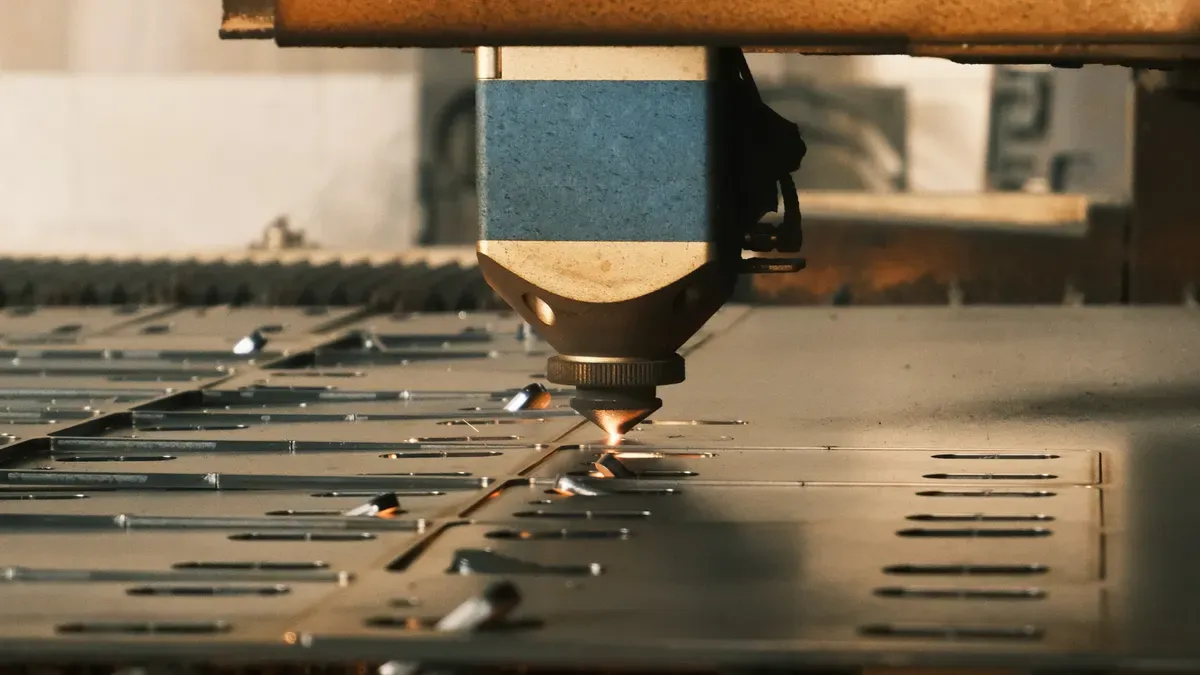
A roll die cutting machine helps you cut and shape things very precisely. You use this automatic tool to work with big rolls of material. This keeps your work going without stopping.
CCD systems help you line up printed or patterned materials very well.
Better lining up means you waste less material and fix fewer mistakes than if you cut by hand.
You count on this machine to work fast, accurately, and all the time. Knowing how it works helps you make your projects better and faster.
Roll die cutting machines do the cutting work by themselves. They help make shapes quickly and exactly from big rolls of material.
Using a roll die cutting machine helps save material. It also lowers mistakes, so it saves money for big projects.
These machines can cut many things like paper, plastic, and foam. This makes them useful for many kinds of jobs.
Knowing the parts and how roll die cutting machines work helps you get better results. It also helps you stop common problems.
Picking the right die cutting machine, like rotary or flatbed, depends on what material you use and what you need to make.
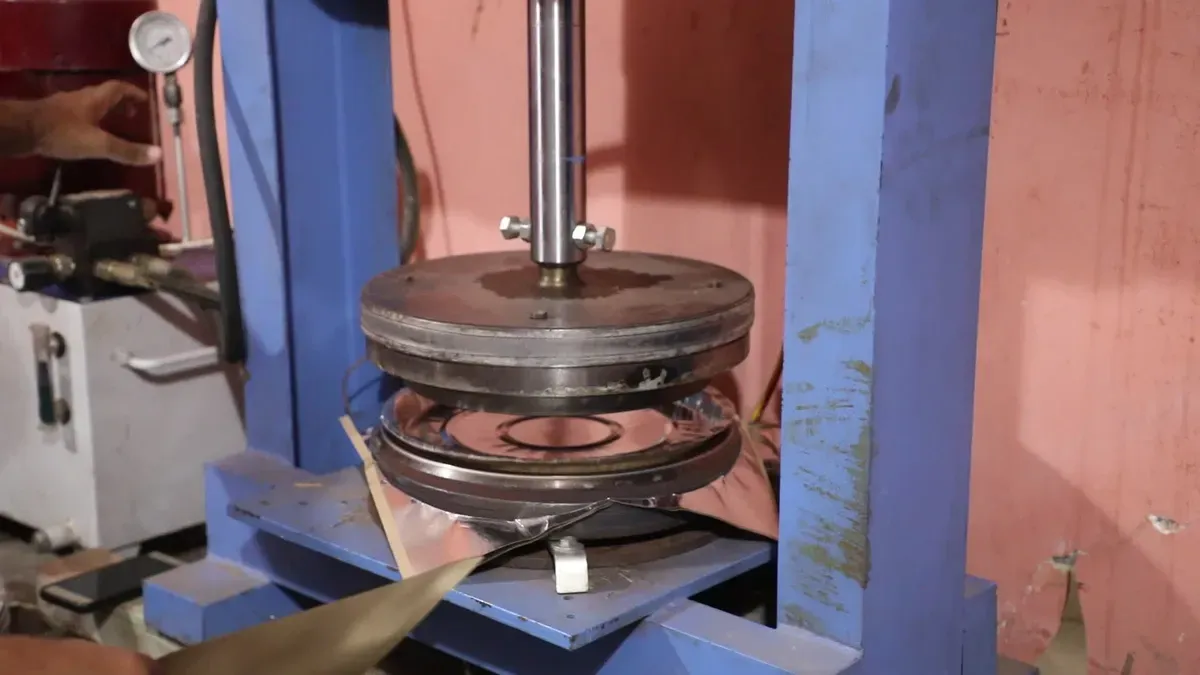
A die cutting machine helps you cut shapes from many materials. It makes clean cuts that look the same every time. You can use it with paper, plastic, fabric, or metal. The machine uses a die shaped like the pattern you want. You put the material in the machine. The die presses down or rolls over to cut the shape.
There are different types of die cutting machines. Some are manual die cutting machines. You turn a handle or push a lever to cut. Others are digital die cutting machines. You use a computer or touchscreen to control them. These machines can cut hard designs with great accuracy. Most die cutting machines save you time and help you make fewer mistakes than cutting by hand.
Die cutting is when you use a die to cut or shape materials. People use this process to make labels, stickers, and packages. When you ask what die cutting is, you learn it makes many shapes fast. You can cut, make holes, or press designs into materials. The process works for easy and hard designs.
You see die cutting in many jobs. Companies use it to make parts for electronics, medical tools, and cars. You also see die cutting in crafts and printing. This process helps you get perfect results every time.
Tip: Pick die cutting for projects that need to be very exact and made quickly.
A roll die cutting machine cuts and shapes materials from big rolls. You feed the roll into the machine, and it works by itself. The machine keeps going without stopping, so you get lots of pieces fast. You trust this machine for its speed and accuracy. It uses sensors and controls to line up the material and cut in the right spot.
Factories use roll die cutting machines to make thousands of parts or labels. The machine can cut, slit, or make holes in one step. You save time and waste less material. The controls are simple, so it is easy to use.
There are some differences between roll die cutting machines and other die cutting machines. The table below shows how they are not the same:
|
Feature |
Roll Die Cutting Machines |
Other Die Cutting Machines |
|---|---|---|
|
Automation |
Fully automatic options available |
Varies, often less automated |
|
Output |
Capable of cutting, slitting, or perforating in one machine |
Typically specialized for one function |
|
Ease of Operation |
Simple controls for user-friendliness |
May require more complex operation |
|
Changeover |
Quick and easy with standard low-cost dies |
Often requires more time and resources |
|
Production Workflow |
Linear travel facilitates workflow |
Workflow may be less efficient |
|
Footprint |
Small footprint to save space |
Often larger and less space-efficient |
Roll die cutting machines are fully automatic. You can cut, slit, or make holes with one machine. The controls are easy, and you can change dies quickly. The machine saves space and helps your work go smoothly. Other die cutting machines may need more setup and take up more room.
There are two main types of die cutting machines: rotary and flatbed. Rotary die cutting uses a rolling motion. It is fast and very exact. This type works best for thin, bendy rolls. Flatbed die cutting uses a press that goes up and down. It can cut thick, hard materials. Flatbed machines are slower but cost less for dies.
|
Feature |
Flatbed Die Cutting |
Rotary Die Cutting |
|---|---|---|
|
Cutting Motion |
Vertical press |
Continuous rolling |
|
Material Type |
Thick, rigid, multi-layer |
Thin, flexible rolls |
|
Cutting Force |
High |
Moderate |
|
Production Speed |
Medium |
High |
|
Best Use Case |
Precision industrial parts |
High-volume roll processing |
You pick rotary die cutting for fast jobs with lots of pieces. You pick flatbed die cutting for thick materials and cheaper dies. Each type has good and bad points. Flatbed die cutting costs less for dies and cuts thick materials. Rotary die cutting is faster and more exact.
Flatbed die cutting advantages: cheaper dies, cuts thick materials, less waste.
Flatbed die cutting disadvantages: slower, takes longer to set up, cannot print or laminate.
Rotary die cutting advantages: faster, more exact, can do many jobs at once.
Rotary die cutting disadvantages: expensive dies, needs big jobs, not good for thick materials.
You choose the die cutting machine that fits your material, speed, and budget. You use roll die cutting machines when you want fast, automatic, and nonstop work.
Main Components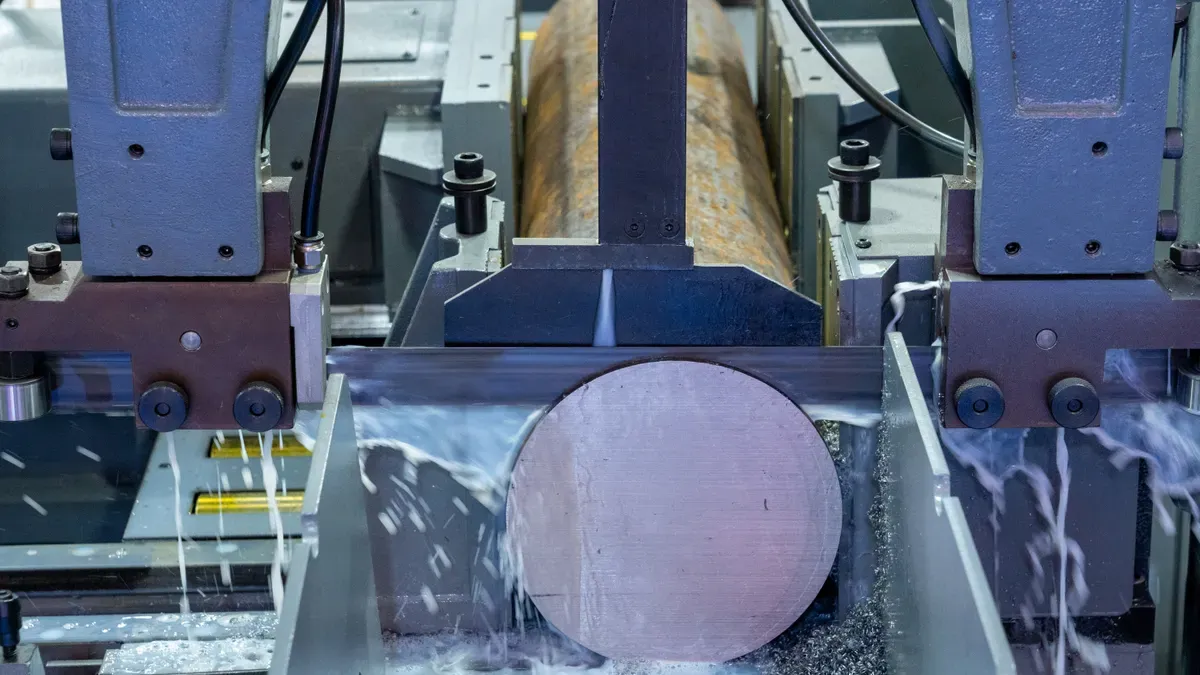
A roll die cutting machine has many key parts. Each part helps the machine cut fast and accurately. You should know how these parts work together. This helps you get the best results.
The cylindrical die and anvil are very important. The die has a sharp edge shaped like your design. When the material moves, the die cuts it. The anvil sits under the die and gives support. This makes sure the cuts are clean and exact.
The cylindrical die cuts as it rolls over the material.
The anvil holds the material steady for the die to cut.
The die and anvil work together for quick, neat cuts.
You do not need to stop the machine for each cut. The two-cylinder system keeps everything moving smoothly. This is not like a manual die cutting machine. With a manual machine, you must press or roll each cut by hand.
The rollers and feed system move the material forward. You load the roll, and the rollers pull it through the machine. Sensors in the feed system keep the material lined up. This helps you avoid mistakes and waste.
|
Feature |
Description |
|---|---|
|
Load Material |
Electric loading makes setup fast. Rubber rollers move the material forward. |
|
Feed Material |
Sensors watch the material and match the speed of cutting. |
|
Finished Product Handling |
The system drops finished pieces, so you do not stop the machine. |
|
Feeding Unit |
The machine can hold big rolls, up to 1.6 meters wide. |
You get steady, automatic feeding. The rollers and sensors make sure each piece lines up with the die.
The control panel helps you run the machine easily. You use buttons and a touchscreen to set up the job. The panel shows where to cut and checks the material. It also helps you fix problems fast.
|
Feature |
Description |
|---|---|
|
User friendly operation panel |
You set all die cutting settings with simple buttons and a touchscreen. |
|
Digital cutting positioning sensor |
The sensor scans marks on the material to guide the die. |
|
Automatic deviation correction system |
The machine adjusts the material for accurate die cutting. |
|
Feeding detection system |
The sensor checks that the material feeds into the die cutting area correctly. |
|
Automatic waste removal |
The machine removes waste from die cutting, keeping your work area clean. |
|
Easy-to-use software |
You can use common file types to set up your die cutting shapes. |
|
PLC control system |
You control all die cutting steps from one place. |
|
Auto failure detection sensor |
The panel shows errors, so you can fix the die cutting machine quickly. |
You have full control over the die cutting process. The automation features help you save time and make fewer mistakes.
How Roll Die Cutting Machines WorkTip: Learn about each part of your die cutting machine. This helps you get the best results and avoid problems.
First, you put a big roll of material on the feed system. The rollers pull the material into the machine. You use the control panel to pick the shape you want to cut. Sensors help line up the material with the die. This makes sure every cut is in the right spot.
The machine works in a loop and does not stop. The material keeps moving forward. The die and anvil roll together and press the material. The die cuts the shape as the material goes through. Finished pieces drop out, and waste is removed. You do not need to stop to reload or reset. This makes everything fast and smooth.
Tip: Always check the control panel before starting. This helps you avoid mistakes and get the best results.
Material handling in a roll die cutting machine is not like other machines. You get high efficiency and very good accuracy. The machine can work with paper, plastic, film, or thin metal. You can use a continuous roll, which saves time and cuts down on waste.
Here is a table that shows how material handling compares:
|
Feature |
Roll Die Cutting Machines |
Other Die Cutting Technologies |
|---|---|---|
|
Efficiency |
High |
Varies |
|
Precision |
High |
Varies |
|
Versatility in Material |
Wide range of materials |
Limited in some cases |
|
Inline Processing |
Yes |
Not always available |
|
Customization Capabilities |
High |
Moderate |
Roll die cutting machines give you more choices and better results. You can switch jobs quickly. The machine keeps the material lined up and feeds it at the right speed. This helps you avoid jams and mistakes.
Cutting and shaping is the most important step. The die and anvil work together for clean, exact cuts. The die has a sharp edge shaped like your design. The anvil is a hard roll that supports the material. When the die rolls over, it presses against the anvil. This pressure cuts the material into the shape you want.
Special features help make every cut perfect. Registration software checks marks on the material and moves the die to the right spot. Servo motor controls let you adjust each part for better accuracy. Tension control keeps the material tight, so the die does not slip.
Here is a table that explains how these features help:
|
Feature |
Description |
|---|---|
|
Registration Software |
Corrects eyemarks for accurate placement of cuts. |
|
Servo Motor Controls |
Lets you adjust each module for precise cuts. |
|
Tension Control |
Creates tension zones for better cutting accuracy. |
|
Cylindrical Die |
Cuts by rolling against a hardened anvil roll. |
|
Hardened Anvil Roll |
Supports the die and helps make clean cuts. |
You control the whole process from the panel. You can change the speed, pressure, and shape. The machine keeps working until the job is done. You get many pieces that all look the same.
Note: If you want to know how die cutting works, watch the die and anvil roll together. The die presses the material, and the anvil supports it. This makes every cut sharp and clean.
You use a roll die cutting machine when you need fast, accurate, and nonstop work. The machine helps you shape many materials with little waste. You get the same result every time, no matter how many pieces you need.
Materials & ProductsA roll die cutting machine works with many materials. This makes it easy to finish lots of projects quickly. Most machines cut thin and bendy materials. Some can also handle thicker ones. Here are some materials you might use:
Rubber
Pressure-sensitive adhesive tapes
Foams
Paper
Plastics
Foil
Film
You can use paper that weighs from 120 to 400 g/m². Some machines with inline flexo printers can use paper up to 600 g/m². You can also cut cardboard, aluminum foil, and packaging film. This means you can pick the best material for your job.
Tip: Check how thick your material is before you start. This helps you stop jams and get neat cuts.
Roll die cutting machines make many things for different jobs. You can make items that need special shapes and sizes. Here are some things you can make:
Adhesive labels
Gaskets and seals
Noise and vibration control parts (NVH)
Thermal management pads
Bonding, joining, and fastening parts
EMI/RFI shielding components
Dielectric protection pieces
Brightness mitigation films
You see these products in cars, electronics, packaging, and medical tools. Die cutting is best for making lots of the same shape. You can use the same die over and over, which saves time and money.
|
Cutting Method |
Strengths |
Weaknesses |
|---|---|---|
|
Roll Die Cutting |
Fast, keeps shapes the same, good for big jobs |
Not as good for tiny details |
|
Laser Cutting |
Great for small details |
Can leave melted edges |
|
Flatbed Die Cutting |
Cuts many kinds of materials |
Slower for large jobs |
Roll die cutting gives you quick results and keeps shapes exact. This way is cheaper when you need lots of the same thing. You can trust the die to cut every piece the same way.
Applications & BenefitsYou see die cutting machines in many industries. These machines help you make products faster and with less waste. The table below shows where you find roll die cutting machines and what they do:
|
Industry |
Application Description |
|---|---|
|
Label and Packaging |
For creating labels, stickers, and various packaging components. |
|
Adhesive Products |
Cutting adhesive tapes, pads, and other adhesive-backed products. |
|
Crafting and Design |
In artistic and creative applications where intricate shapes and designs are required. |
You use a die cutting machine in factories that make labels for bottles and boxes. You also use it to cut sticky pads and tapes. If you enjoy crafting projects, you can use these machines to make special shapes for your crafting creations. The die helps you get the same shape every time, even for detailed designs.
You get many benefits when you use roll die cutting. The machine works fast and cuts many pieces without stopping. You can see a big jump in how much you make each day. For example, after you switch to a roll die cutting machine, your daily output can go from 500 units to 2,000 units. That is a 300% increase in efficiency. You also need less help from workers, which means you save money on labor.
Roll die cutting machines help you lower costs. The die cuts shapes with little waste, so you use more of your material. This lowers your costs and helps the environment. As you make more parts, your cost for each part goes down. The machine can cut up to 80 times each minute, so you finish big jobs quickly.
Here are some key benefits you get from roll die cutting:
High-speed cutting meets large production needs.
Automation reduces manual work and mistakes.
The die gives you clean, exact shapes every time.
Less material waste means you save money and help the planet.
You keep quality high, even when you make many pieces.
Tip: If you want to make many parts fast and keep costs low, choose roll die cutting. You will see better results and less waste.
Roll die cutting machines help you in many ways. You get speed, accuracy, and savings. You can trust the die to cut shapes for all your projects, from factory parts to crafting projects.
You use a roll die cutting machine to cut shapes from things like paper and fabric. The machine presses down to make designs that scissors cannot do. You set up the material, the die, and the cutting plates. Then the machine rolls and cuts without stopping. You can pick electronic or manual controls to make it easy.
|
Benefit/Application |
Description |
|---|---|
|
High-Speed Operation |
You finish big jobs fast with rotary presses that keep going. |
|
Precision & Repeatability |
You get the same shape every time, even with layers. |
|
Versatility Across Materials |
You can cut films, foils, and nonwovens for lots of uses. |
|
Common Applications |
These machines are used for labels, packaging, and electronics. |
You get quick, neat, and repeatable results for many kinds of work.
FAQYou get cuts that are fast and exact. The machine uses big rolls, so you finish jobs quickly. You waste less material and save money.
Yes, you can use paper, plastic, foam, and thin metal. Always check the machine’s specs to see if your material fits.
Clean the rollers and dies often. Look for parts that are worn and change them if needed. Follow the guide from the maker for regular care.
You can buy die cutting machines from equipment suppliers, online stores, or makers. Compare features and support before you buy.
Most machines have controls that are easy to use. Read the manual and get basic training. This helps you use the machine safely and get good results.
"4mmx2mm Disc Magnet" from S****** received 4 quotation(s)