Date: 2026.07.14 Click: 6
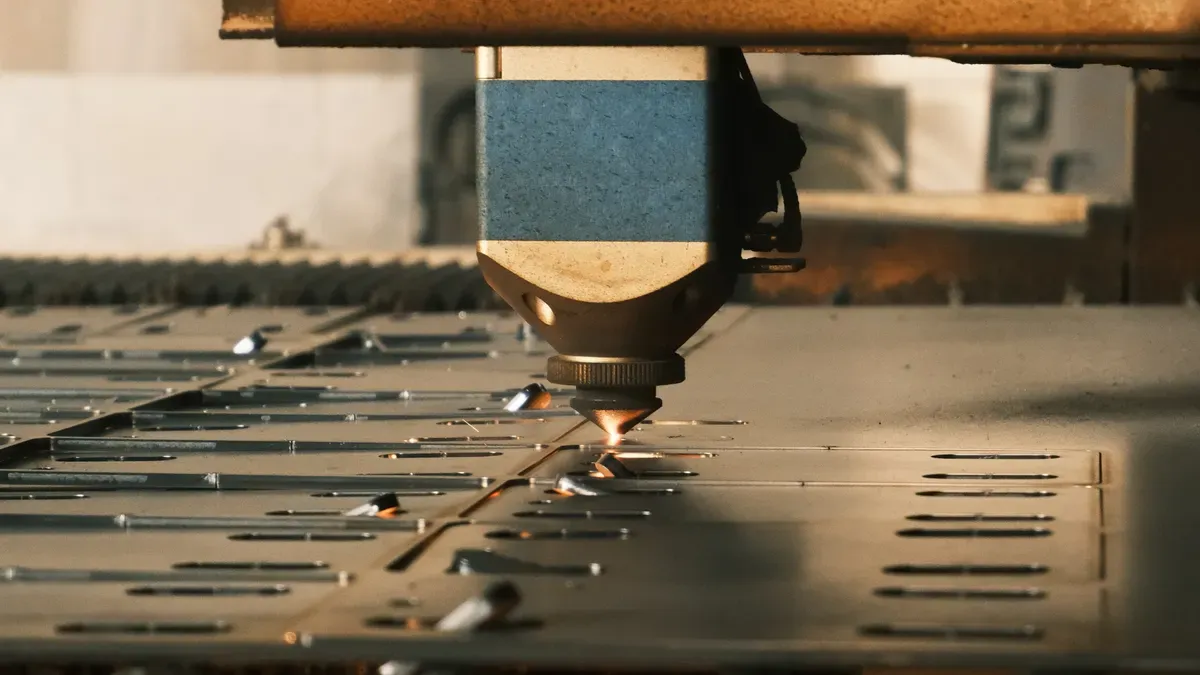
Choosing the best plastic die cutting machine starts with knowing your crafting needs and goals. Think about what you want to make, how often you plan to use the machine, and where you will work. Many users look for machines with strong materials compatibility, high precision to reduce waste, flexibility for different techniques, and easy maintenance.
Here are some expert-recommended steps to guide you:
Figure out your needs and goals for crafting.
Check important features like size, strength, and which materials the machine can cut.
Look at user reviews to see how different machines perform.
Balance your budget with the quality you want.
With a little planning, you can find a machine that fits your needs and helps you reach your goals.
Key TakeawaysThink about what you want to make before picking a die cutting machine. Decide how often you will use the machine.
Find machines with easy features like Bluetooth control. Design templates and automatic material detection can help you craft better.
Check different brands and read reviews to find a good machine. A strong warranty and helpful customer support can save you trouble.
Think about the size and cutting strength of the machine. Pick one that fits your space and can cut your materials.
Make a budget that covers all costs. A good machine may cost more at first but can save you money later.
Think about what you want to make before picking a plastic die cutting machine. Ask yourself how often you will use it. Your answers help you choose the right machine. If you craft for fun, a small manual machine is good. If you have a business or work in a busy shop, you need a bigger automatic model.
Here is how different industries use these machines:
|
Industry |
Main Applications |
Machine Type Used |
|---|---|---|
|
Packaging |
Fast cutting of plastic packaging, cardboard, and foil |
Rotary die systems |
|
Automotive |
Cutting gaskets, insulation, and trimming plastic parts |
Flatbed die cutters |
|
Electronics |
Cutting insulation film, shielding, and circuit boards |
High-precision CNC machined die cutters |
|
Textile |
Cutting fabric patterns for clothes and home items |
Large-format flatbed die cutters |
If you craft at home, you do not need a big rotary die system. Small businesses may use flatbed or CNC machines to work faster. Always match the machine to your project size. Manual machines are good for hobbyists and small shops. Bigger, automatic machines are best for businesses needing more speed and power.
Pick a machine that is easy to use and makes crafting fun. Look for features that help you start quickly and keep going. Many machines let you control them with your phone or tablet. Some have lots of designs, so you always have new ideas. Others use smart sensors to pick the best settings for your materials.
Here are features that make a die cutting machine easy to use:
Bluetooth lets you set up and control the machine easily
You can use thousands of designs, fonts, and templates
Simple mobile apps help you edit your designs
Automatic material detection sets the right cutting settings
Step-by-step tutorials show you how to do projects
Online communities help you share and learn
Voice controls let you use the machine hands-free
On-screen previews help you make last-minute changes
Automatic updates add new materials and improve performance
Think about portability too. Many crafters like machines they can move and store easily. Almost 70% of crafters want compact machines. Portability is important for 60% of people who craft often. If your workspace is small or you want to take your machine to classes, pick a lightweight, portable model.
Choose a plastic die cutting machine that lasts and works well every time. Read reviews and check different brands. Look for companies known for quality and good customer service. A strong warranty protects your machine and keeps it running. Good support helps you fix problems like jams or uneven cuts. Reliable service means less downtime and more time to craft.
Tip: Regular care and checks can make your machine last longer and cut downtime by up to 20%. If you run a business, train your staff to use and care for the machine. This helps you reach your goals and protect your investment.
When you compare brands, ask these questions:
Does the company give a good warranty?
Is customer support easy to contact?
Do other users say the machine is reliable?
Are replacement parts and accessories easy to get?
By thinking about your needs and goals, picking an easy-to-use model, and choosing a reliable brand, you can find the best plastic die cutting machine for your projects.
Types of Plastic Die Cutting Machines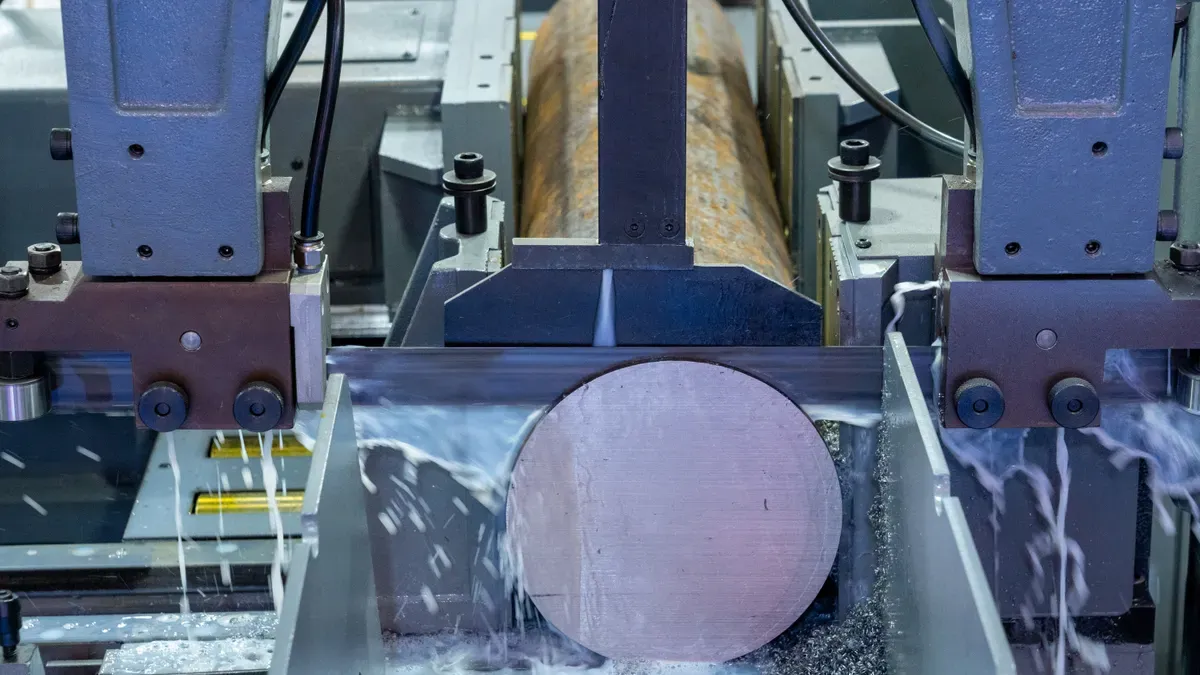
When you search for a die cutting machine, you will see many choices. Each type has its own good points. Let’s look at the main types so you can choose what works best for you.
Manual die cutting machines work by hand. You turn a handle or push a lever to cut shapes. These machines are simple and easy to use. You do not need electricity or a computer. Manual machines are great for beginners or people who want a quiet place to work. They are good for small projects, crafts, or trying out new ideas.
Tip: Manual machines let you control your cuts and learn the basics. You can focus on doing a good job without worrying about hard settings.
Electric die cutting machines use power to cut shapes. You press a button or use an app to start. These machines are faster and more exact than manual ones. Many electric models connect to your phone or computer. You can pick from many designs and change them before cutting. Electric machines are great for people who want to save time and get neat results.
Here’s a quick look at how manual, electric, and industrial machines compare:
|
Type of Machine |
Operation Characteristics |
Application Suitability |
|---|---|---|
|
Manual |
Operated by hand, good for small projects |
Best for low-volume production and prototyping |
|
Electric |
Uses electric power, offers high precision |
Great for medical, electronics, and detailed projects |
|
Industrial |
High-capacity, often hydraulic or pneumatic |
Best for large-scale manufacturing and heavy materials |
Electric machines make die cutting easier and faster. Many have wireless controls and smart sensors. These features help you get better results with less work.
Specialty and industrial die cutting machines are for big jobs. These machines use strong motors, hydraulic power, or robots. You can cut many layers at once or work with tough materials. Industrial machines are best for factories or businesses that need to make lots of parts every day.
New technology makes these machines even better. Some have real-time monitoring and modular designs. You can switch between materials or add new features as your needs change. This gives you more choices and better quality in your work.
Note: If you run a business, buying an industrial die cutting machine can help you make more products and keep your quality high.
When you compare die cutting machines, think about your project size, how much control you want, and the quality you need. With so many choices, you can find the right machine for your craft or business.
Die Cutting Machine Features
When you look at features, size and cutting strength are important. You need a machine that fits your space and project size. Big machines are good for lots of work, like packaging. They cut many pieces fast. Small machines are easier to move and use for small jobs. You can change them for thick or thin materials. If you want neat cuts every time, size matters a lot. Large machines do big jobs. Small ones are better for tiny details. Always check how strong the machine is. Strong machines cut thick plastic and hard sheets. Weak machines may not cut well and can slow you down.
Material compatibility is a key feature to think about. You need a machine that works with your favorite materials. Some machines only cut thin plastic. Others can cut thick sheets, foam, or fabric. If you use many materials, check the list of what it can cut. Many machines have smart sensors now. These sensors help you pick the best settings for each material. This means better cuts and less waste. Checking material compatibility helps you avoid mistakes and work faster. Always ask, “Can this machine cut what I need?” If yes, you are making a good choice.
Here’s a quick look at environmental considerations when you check features:
|
Environmental Consideration |
Description |
|---|---|
|
Lower material waste |
Makes less scrap when cutting. |
|
Improved production accuracy |
Cuts are more exact, so you use less material. |
|
Reduced energy consumption |
Uses less power because it is efficient. |
|
Better resource management |
Saves materials and energy. |
|
Support for sustainable packaging initiatives |
Helps with eco-friendly packaging. |
You want a die cutting machine that is versatile and strong. Versatile machines let you try new things and use different materials. Strong machines last longer and break less often. New machines have safety features like stop buttons and guards. These keep you safe from sharp blades. If you take care of your machine, it will last longer and work better. Cleaning and checking it often can make it last up to 20% longer. Looking at versatility and strength helps you get more for your money. You get better work and spend less time fixing problems.
Budget and Cost-EffectivenessTip: Always check what the machine can do before you buy. A strong, high-quality machine that works with many materials makes your projects easier and more fun.
It is important to use your money wisely when buying a die cutting machine. First, think about what you want to make and your goals. Write down what you need the machine to do. Many people look at price first, but cheap machines are not always the best deal. You should think about what you get for your money. Sometimes, a cheaper machine costs more later because of repairs or extra parts. Think about how much you will spend over time, not just the first price. Here are some things to remember about your budget:
Add up all costs, like fixing and caring for the machine.
Make sure the machine works for you now and later.
Think about how much you will use it for your projects.
Cost-effectiveness is not just about saving money at first. Most of your spending will be on materials when you use the machine. Materials can be 70-80% of your total costs. Buying lots of materials can be hard if you do not have much money. Taking care of your machine helps it last longer and keeps your work going. Checking the machine’s condition can help you make better parts and spend less. Buying a good machine can save you money in the long run. You will waste less and finish projects faster. Many people see that a good machine pays for itself in a few months.
There are many places to buy a die cutting machine. Some popular stores are Amazon, Michaels, Cricut.com, and SilhouetteAmerica.com. Before you buy, read what other people say about the machine. Reviews tell you if the machine works well and lasts a long time. Many people want to know if the machine is easy to use and if help is easy to get. Reading reviews helps you find problems and pick the best machine for you. Good reviews make you feel sure about your choice, but bad reviews warn you about trouble. Always read reviews before you decide.
Tip: Make a list of what you need, your budget, and what people say in reviews. This will help you pick a machine that fits your goals and saves you money.
You now know how to pick the best die cutting machine for your needs. Start by thinking about your projects and what you want from a machine. Check the features, read reviews, and set your budget. Make sure your die cutting machine matches your goals and saves you money over time. Trust this process and you will feel confident when you buy. Go ahead and create something amazing!
FAQYou want reviews that talk about real use. Look for comments on cutting strength, ease of use, and how long the machine lasts. Reviews with photos or videos help you see results. Honest reviews can show both good and bad points.
Reviews give you real stories from people who use the machine. You learn about problems or cool features. Many reviews compare machines, so you see what works best. Reading reviews saves you time and money.
You can find reviews on Amazon, craft store websites, and maker forums. Some people post reviews on YouTube or TikTok. Check reviews on the brand’s website, but also look at reviews from other sites for a full picture.
Some reviews come from experts, while others are from beginners. Reviews can change based on what people want from the machine. You might see reviews that focus on business needs, while others talk about home crafts.
Not every review is honest. Some reviews are fake or paid for. Look for reviews with details and real photos. If you see lots of reviews that sound the same, be careful. Trust reviews that share both good and bad points.
"4mmx2mm Disc Magnet" from S****** received 4 quotation(s)