Date: 2026.07.13 Click: 10
You want to make beautiful crafts, but you might wonder which die cutting machine fits you best. Manual machines work great if you love hands-on projects or just started crafting. Electric machines give you speed, easy use, and help if you find cranking hard. Every crafter works in a unique way. Think about what you enjoy and what feels right. There’s a perfect match out there for all crafters!
Key TakeawaysPick a manual die cutting machine for hands-on crafts and small projects. These machines cost less money and are simple to use.
Choose an electric die cutting machine if you want fast work and more power. Electric machines can cut thicker materials and are good for making many crafts at once.
Think about how often you craft. Manual machines work well for people who craft sometimes. Electric machines help people who craft a lot or have a business.
Look at your space and if you need to move your machine. Manual machines are lighter and easy to carry. Electric machines need a plug to work.
Think about your skill level. Manual machines are easy for beginners. Electric machines may need you to learn software for special features.
You may ask how manual and electric die cutting machines compare. Let’s look at a table to see the main differences:
|
Feature |
Manual Die Cutting Machines |
Electric Die Cutting Machines |
|---|---|---|
|
Control |
You turn the handle for each cut |
Machine does the work for you |
|
Versatility |
Great for paper, fabric, thin metal |
Handles thick materials like leather and vinyl |
|
Ease of Use |
Simple, hands-on |
Push a button, less effort |
|
Compatibility |
Works with many dies and embossing folders |
Often uses digital designs and special dies |
|
Cost |
Lower to mid-range |
Higher, especially for large projects |
|
Automation |
Manual, no power needed |
Fully automatic, needs electricity |
|
Project Scale |
Best for small crafts |
Perfect for big or repeated jobs |
Here is a chart that shows how much each type costs:
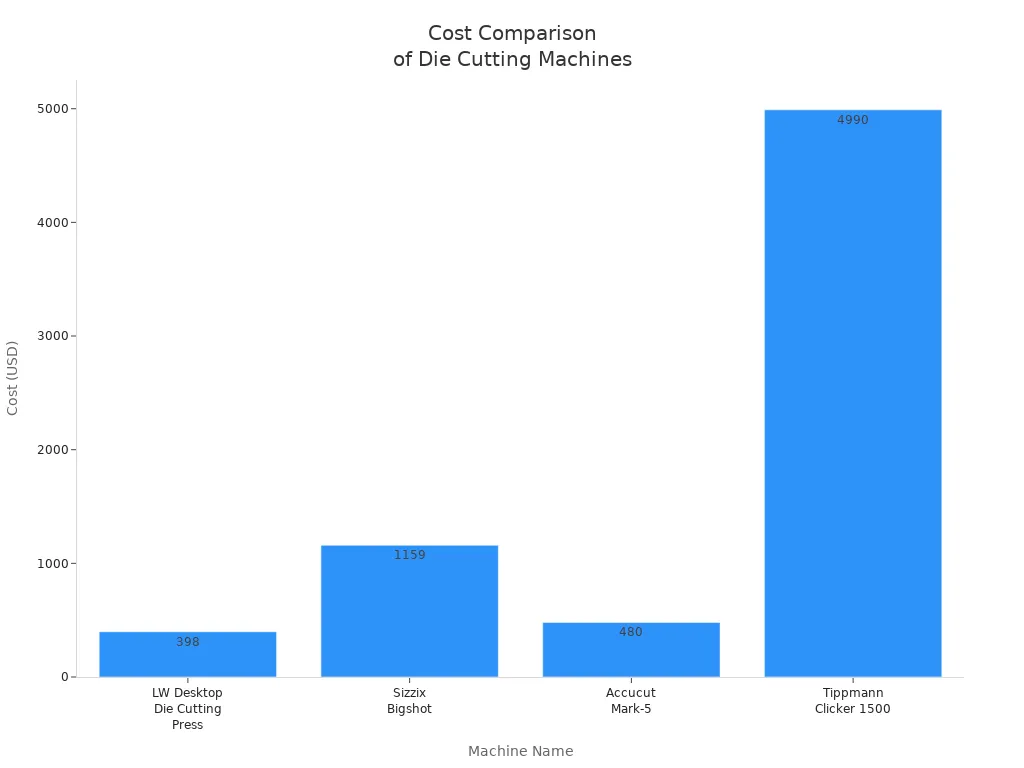
Manual machines like the LW Desktop Die Cutting Press or Sizzix Bigshot cost less than electric ones like the Tippmann Clicker 1500. Manual machines are good for lighter materials and smaller crafts. Electric machines can cut thick materials and do bigger jobs easily.
Tip: If you need to cut lots of leather or foam, an electric machine will save you time and effort.
Not sure which machine is right for you? Here is a table that shows who usually uses each kind:
|
Machine Type |
Common User Profiles |
Common Use Cases |
|---|---|---|
|
Manual Die Cutting |
Hobbyists, crafters, scrapbookers, quilters |
Small crafts, school projects, art |
|
Electric Die Cutting |
Businesses, high-volume crafters, teachers |
Bulk items, thick materials, efficiency |
If you like hands-on crafts or want a popular machine for scrapbooking, you might like manual die cutting machines. If you have a small business or need to make many things fast, electric die cutting machines will help you finish more work.
No matter what you pick, you will find a machine that fits your needs and style!
Manual Die Cutting Machines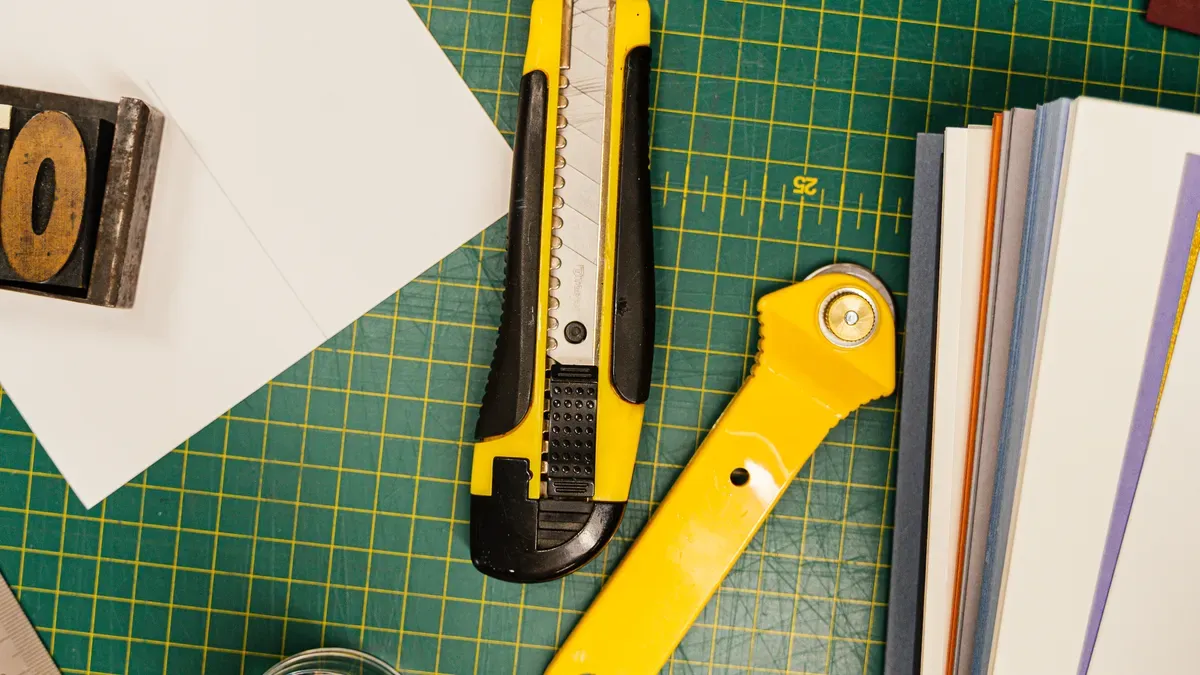
Manual die-cutters give you lots of control. You turn the handle yourself. You choose how much pressure to use. This lets you make detailed shapes from many materials. Here are some reasons crafters like these machines:
You can cut tricky designs if your hands are steady.
Manual die cutting machines work with paper, fabric, and thin metal.
Many models let you emboss, so you can add texture.
You can use dies from brands like Sizzix, Spellbinders, and Tim Holtz.
These machines are easy for beginners to set up and use.
See how manual machines work with different brands and embossing:
|
Die Brand |
Works with Manual Machines |
Can Emboss |
|---|---|---|
|
Sizzix |
Yes |
Yes |
|
Spellbinders |
Yes |
Yes |
|
Tim Holtz |
Yes |
Yes |
|
Independent Brands |
Yes |
Yes |
|
Thicker Steel-rule Dies |
Needs more pressure |
N/A |
Manual machines have some downsides. You must use your hands and arms to turn the handle. This can get tiring if you cut a lot. Some other things to remember:
You may not cut very thick materials or different thicknesses at once.
If you do not handle sharp dies carefully, you could get hurt.
Manual machines do not have automation, so you repeat steps for every cut.
Manual die cutting machines are great for small projects or crafting sometimes. They work well for hobbyists, beginners, and people who like to try new dies. You can use them for patchwork, applique, bag making, quilting, and home decor. They also cut materials like cotton, denim, faux leather, felt, chipboard, vinyl, and foam. If you want a machine that is easy, flexible, and good for learning, manual die-cutters are a smart pick.
Electric Die Cutting MachinesTip: If you enjoy hands-on crafting and want to try many creative ideas, a manual machine will help you start and build your skills.
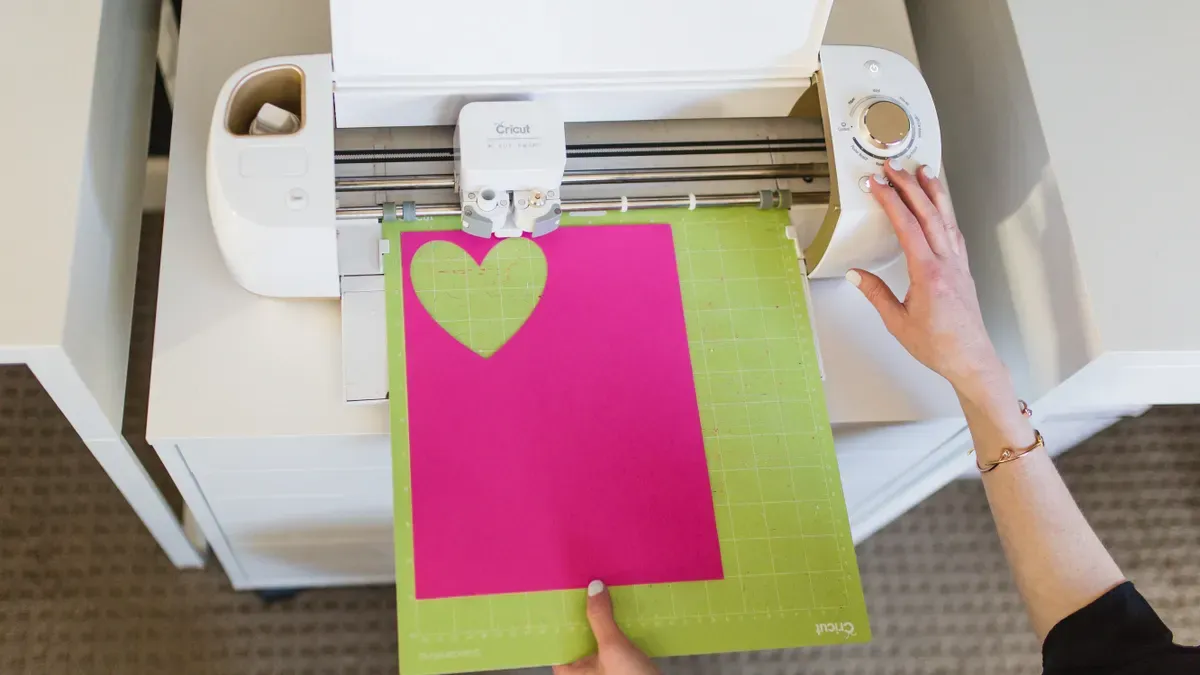
Electric die cutting machines make crafting simple. You only need to press a button. The machine does all the hard work for you. These machines are fast and cut very neatly. You get the same good results every time. If you want to cut many layers, you can do it quickly. You can also make tiny shapes that are hard to cut by hand.
Here are some reasons crafters like electric machines:
They cut faster and more accurately than manual machines.
You can cut many layers at once, which saves time.
The machines work smoothly and your cuts look the same each time.
Even tricky or thin designs come out clean.
Many models help people who have trouble using their hands. Some have smart features, easy screens, automation, and voice controls to help everyone craft.
|
Feature |
Benefit for Accessibility |
|---|---|
|
Smart Connectivity |
Lets you use devices for easier operation |
|
User-friendly Interfaces |
Makes navigation simple and quick |
|
Automation |
Reduces the need for physical effort |
|
Voice-activated Controls |
Allows hands-free use, great for limited mobility |
Tip: If you want to finish projects faster or need help moving your hands, an electric machine can make crafting easier.
Electric machines have some downsides. They cost more money than manual machines. You need electricity to use them, so you cannot take them everywhere. Some machines need special programs, which can be hard to learn.
|
Disadvantage |
Description |
|---|---|
|
Higher initial cost |
More expensive than manual machines |
|
Learning curve for software |
Takes time to learn new programs |
|
Potential obsolescence |
Some brands may stop updates or support |
|
Limited repairability |
Hard to fix if something breaks |
|
Dependence on proprietary consumables |
You may need to buy special dies or blades |
Some brands only work with their own dies or blades. If you want to cut many layers, check if your machine can do it.
Electric die cutting machines are best for people who craft a lot or have a small business. If you need to cut many layers or want perfect cuts, these machines are great. They are also good if you have trouble turning a handle or want to save time. Teachers, business owners, and people who want to work fast will like these machines.
Choosing Your Die-Cutting MachineNote: If you want to spend less time cutting and more time making things, an electric machine could be the best choice for you.
You probably want to know how much you’ll spend before you buy a die cutting machine. Manual machines usually cost less. They’re a smart choice if you want to try crafting without a big investment. Electric machines cost more up front. You pay for speed, power, and extra features. If you plan to use your machine often, a higher price can mean better performance and longer life. Cheaper models might not last as long or cut as well if you use them every day. Think about how much you want to spend and how often you’ll craft.
Tip: If you craft a lot, investing in a high-quality machine can save you money and frustration in the long run.
How often do you plan to use your machine? If you only craft sometimes, a manual machine works well. You get control and can enjoy the process. If you make lots of projects or sell your crafts, you’ll want something faster. Electric machines cut more pieces in less time. They also help you avoid getting tired. Here’s what to consider:
Manual machines need your strength. Big projects can get tiring and take longer.
Electric machines do the work for you. They’re great for busy crafters or small businesses.
Think about how many projects you’ll make each week.
Choose a machine that matches your crafting pace.
Pick a high-performance model if you craft every day.
Do you have a big craft room or just a small table? Manual machines are smaller and lighter. You can carry them to classes, events, or a friend’s house. They don’t need power, so you can use them anywhere. Some models, like the Gemini Mini, fit in a tote bag. Electric machines are heavier and need a plug. They work best if you have a set spot at home.
Note: If you travel with your supplies or like to craft on the go, a manual machine is your best friend.
Are you new to crafting or do you love learning new tech? Manual machines are easy to use. You just turn the handle and line up your dies. Electric machines have more features, but you might need to learn some software. Here’s a quick look:
|
Type of Machine |
Learning Curve Description |
|---|---|
|
Manual Die Cutting |
Needs physical effort and careful alignment; easy for hands-on users. |
|
Electric Die Cutting |
Uses software and advanced features; takes more time to learn. |
If you like simple tools, start with a manual machine. If you enjoy computers and want to try digital designs, you’ll love an electric machine. Many brands offer online guides, videos, and even classroom tools to help you learn.
Every die cutting machine needs a little care. Manual machines need regular cleaning to remove scraps and glue. You might need to adjust the rollers to keep cuts sharp. Electric machines need the same cleaning, but you also need to protect the electronic parts. Some electric models check their own settings, but you should still look for worn parts.
|
Maintenance Task |
Manual Die Cutting Machines |
Electric Die Cutting Machines |
|---|---|---|
|
Cleaning |
Clean out debris and glue. |
Clean carefully, avoid electronics. |
|
Alignment and Calibration |
Adjust by hand. |
Some auto-calibrate, but check often. |
|
Inspection of Components |
Look for worn parts. |
Check for wear and tear. |
If you want a machine that’s easy to care for, manual models are simple. Electric machines need a bit more attention, but they reward you with speed and power.
Tip: Regular cleaning and checks keep your machine working its best, no matter which type you choose.
Choosing the right die cutting machine comes down to your budget, how much you craft, your space, your skills, and how much maintenance you want to do. Think about what matters most to you. There’s a perfect machine out there waiting to help you create!
Real-Life Die Cutting ScenariosYou love making cards for birthdays and holidays. You don’t craft every day, but you enjoy it when you have time. A manual die cutting machine fits your style. You can set it up quickly and use it on your kitchen table. You don’t need to learn new software. You just pick your die, turn the handle, and create something special. You get to feel the process with your hands. This makes each project feel personal and fun.
Tip: Manual machines are easy to store and carry, so you can craft anywhere you like.
You run a small shop selling custom invitations and packaging. You need to make many items that look the same. An electric die cutting machine helps you work faster and keeps your products looking sharp.
You save time because the machine cuts shapes for you.
Every piece comes out the same size, so your customers get high quality.
You spend less time fixing mistakes, which means you can make more products.
Automation helps you cut costs and avoid errors.
You can grow your business and keep your customers happy with less effort.
You love crafting, but turning a handle hurts your hands. An electric die cutting machine makes things easier. You just press a button, and the machine does the work. Some models even have voice controls or touch screens. You can keep making beautiful crafts without hurting yourself or getting tired. This lets you focus on your ideas, not the hard work.
You enjoy making detailed cards and decorations. You want to cut tiny shapes and fancy patterns. Electric die cutting machines shine here. They use design software and adjustable settings to cut complex designs quickly.
|
Feature |
Manual Die Cutting Machines |
Electric Die Cutting Machines |
|---|---|---|
|
Precision |
Good for simple shapes |
Great for intricate, complex designs |
|
Speed |
Slower, more effort |
Fast and automatic |
|
User Strain |
Can get tiring |
Easy on your hands |
You can try new patterns and materials without worry. The machine handles the hard parts, so you can focus on your creativity. Many crafters choose electric machines for this reason.
Picking your die cutting machine is about what you like to make and how you want to work. Here’s a simple chart showing what users like:
|
Machine Type |
User Preference (%) |
Key Features |
|---|---|---|
|
Manual Die Cutting |
45% |
Easy to use, costs less, not for hard designs |
|
Electric Die Cutting |
50% |
Works by itself, does many things, cuts tiny shapes |
Manual machines are good for people who like to use their hands or are just starting out. Electric machines are better if you want to work fast or make detailed things. Think about what you want to make, how much room you have, and how much you can spend. The best machine will help you do more projects and have more fun with crafting!
FAQYou can cut paper, fabric, felt, thin metal, and vinyl. Some electric machines cut thicker things like leather or foam. Always look at your machine’s manual for a safe materials list.
Most manual machines use dies from many brands. Electric machines sometimes need special cartridges or digital files. Always check what your machine uses before buying new dies.
Clean your machine by taking out scraps after each use. Wipe rollers and surfaces with a dry cloth. For electric machines, keep water away from the controls. Check for worn parts and change them if needed.
It’s not hard! Most machines have easy instructions. You place your material and die, then turn the handle or press a button. Many brands have video guides to help you start.
Kids can use manual die cutting machines with an adult nearby. Always keep sharp dies away from small kids. Electric machines are safer for older kids who follow instructions.
"4mmx2mm Disc Magnet" from S****** received 4 quotation(s)