Date: 2026.05.27 Click: 11
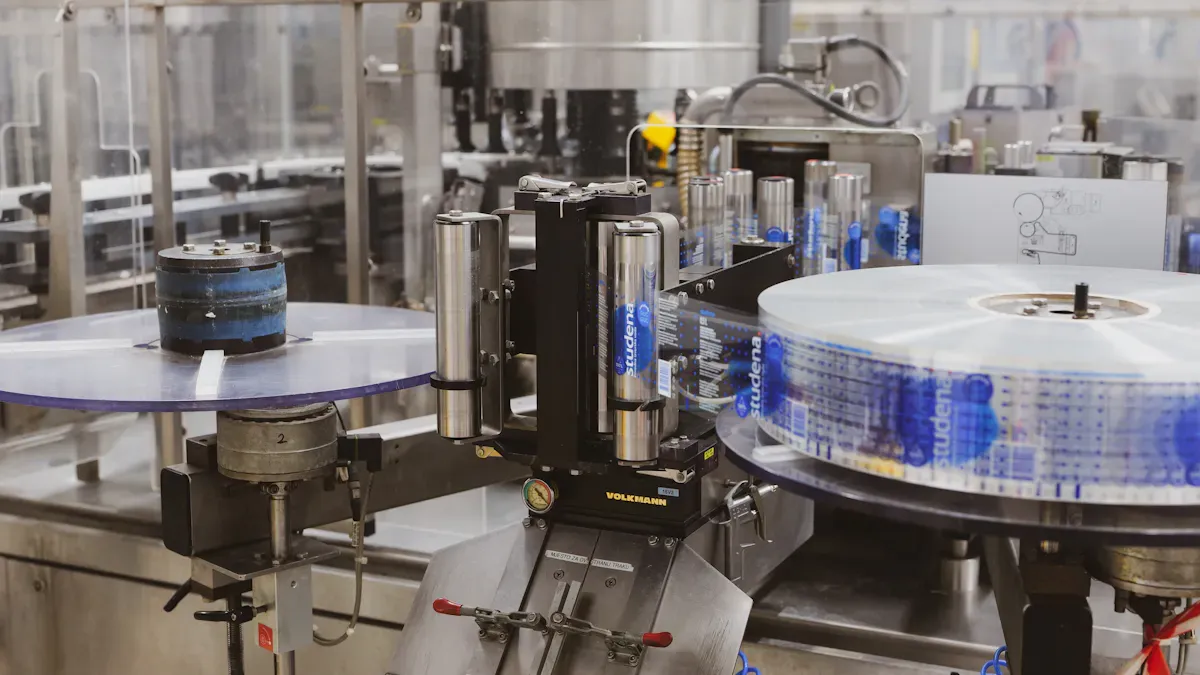
You likely use a paper bag when you carry lunch to school or bring groceries home. A paper handle bag machine helps you get these bags fast and strong. This machine takes plain paper and turns it into a finished bag with handles. You watch as the paper handle bag machine feeds paper, cuts it, folds it, and glues it, all without stopping. The machine even attaches handles made from paper. With automation, the paper handle bag machine speeds up sorting, stacking, and wrapping so each paper bag looks the same. You get better quality and more paper bags in less time. These machines boost production rates by up to 30%. You see that when a business uses a paper handle bag machine, it gets rid of slow, manual steps and delivers high-quality paper bags every time.
Key TakeawaysPaper handle bag machines make bags by themselves. This helps work go faster and needs less people.
You pick roll-fed or sheet-fed machines based on what you need. It also depends on how good you want your bags to be.
Fully automatic machines make bags quickly. They need fewer workers. These machines are good for making lots of bags.
Automation uses sensors and quality control systems. These help bags stay the same quality and waste less material.
Using eco-friendly materials and energy-saving machines helps the planet. It makes paper bag manufacturing better for the environment.
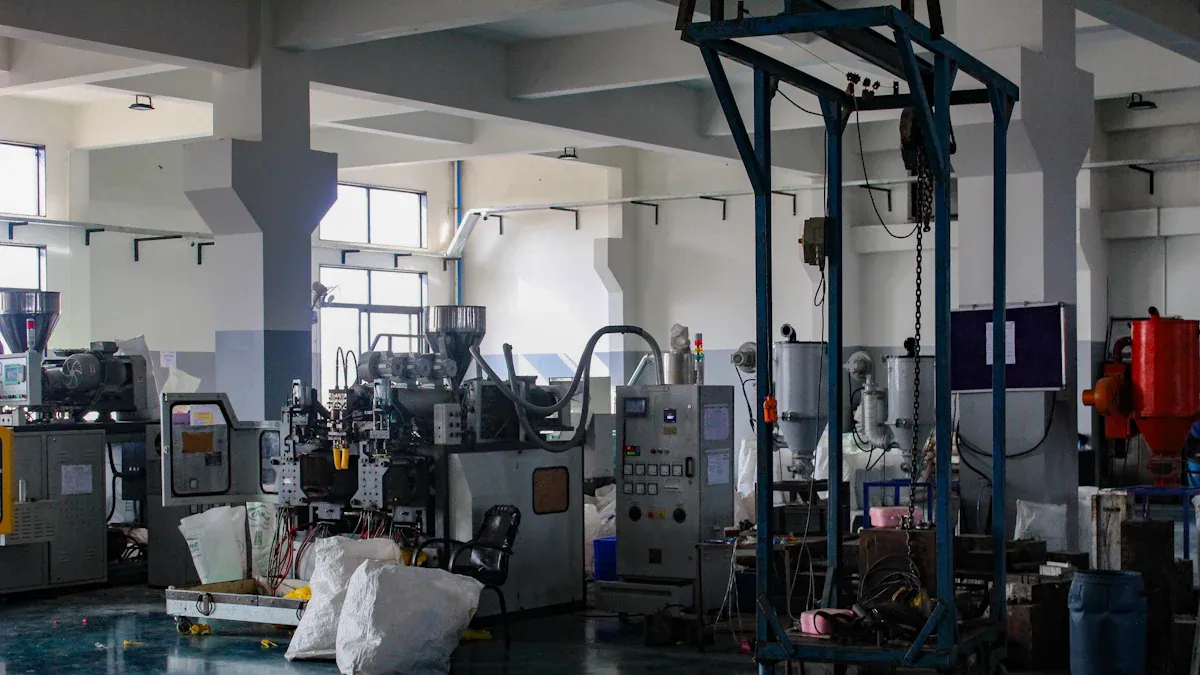
When you learn about making paper bags, you see two main machines. These are roll-fed machines and sheet-fed machines. There are also different automation levels. Some machines are semi-automatic, and some are fully automatic. Each machine helps you make paper bags in its own way.
A roll-fed paper bag machine uses big rolls of kraft paper. This machine works best with paper that is 45-160 gsm thick. You can use kraft paper or PE coated food paper. The roll-fed system keeps working without stopping. This means you waste less paper and save money. The machine gives you steady quality because it works all the time. You make paper bags fast and use your materials well.
A sheet-fed paper bag machine uses single sheets of paper. You might use offset-printed sheets that are 100-300 gsm thick. These sheets can be kraft paper, art paper, ivory board, or special paper. Sheet-fed machines give you better print quality and strong bags. You pick this machine for premium bags or special designs. The high-speed roll-to-sheet paper bag machine helps you get sharp prints and strong bags.
Tip: If you want custom prints or strong bags, pick a sheet-fed machine.
You can pick semi-automatic or fully automatic machines for making paper bags. A semi-automatic machine lets you do some steps by hand. You make bags faster than by hand, but you need more workers. A fully automatic paper bag making machine does almost everything for you. You load the paper, and the machine does the rest.
Fully automatic machines give you faster speed and better stability. You can make 60-80 bags each minute. This is five times faster than making bags by hand. Fully automatic machines help you make lots of bags, sometimes thousands per hour. You also save money because you need fewer workers. Semi-automatic machines are good for medium production, but they are slower.
If you want to make more bags and use fewer workers, pick a fully automatic machine. This helps you make bags fast and keep costs low.
Automated Workflow in Paper Bag Manufacturing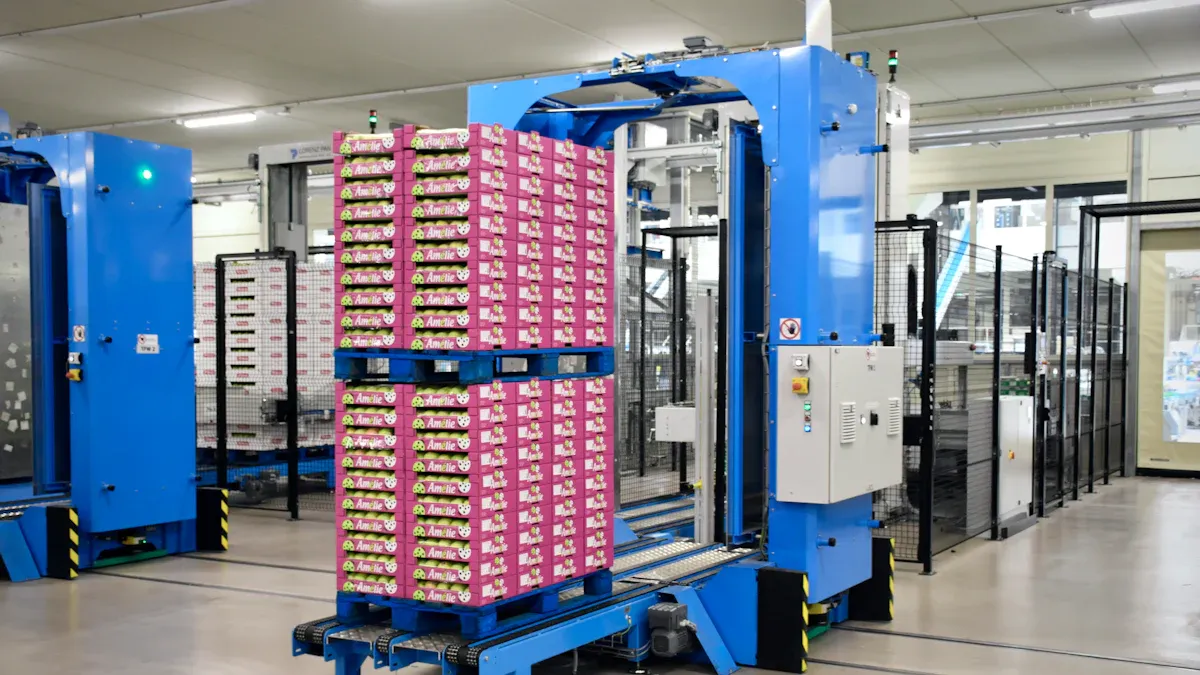
When you look at the automated process of making paper handle bags, you see a smooth workflow from start to finish. Each step uses advanced machines to reduce manual work and improve quality. Here is how the production process works, step by step.
You start with the right type of paper. The machine can use ivory board, brown kraft, glossy, or art paper. The feeding method depends on the material. Some papers go in as large rolls, while others use single sheets. The table below shows common materials and how you feed them into the system:
|
Material Type |
Feeding Method |
|---|---|
|
Ivory board paper |
Sheet-fed |
|
Brown kraft paper |
Roll-fed |
|
Glossy paper |
Roll-fed |
|
Art paper |
Sheet-fed |
|
White cardboard |
Sheet-fed |
|
Coated paper |
Roll-fed |
You mount the roll or stack the sheets on the machine. The automated system pulls the paper in and keeps the tension steady. This step helps prevent jams and waste. You do not need to adjust the paper by hand, so the workflow stays fast and smooth.
Note: Automated feeding systems let you run the machine for long periods without stopping to reload paper.
Next, you add designs or logos to the paper. The automated printing unit uses flexographic printing, which gives you bright, clear images. You can print in many colors and even use eco-friendly inks. The machine can handle:
Personalized logo designs
Tailored colors
Unique artworks
Variable data printing for custom messages
Real-time design changes during production
You do not need to stop the machine to switch designs. The automated process lets you make bags for different brands or events in one run. This step makes your bags stand out and meet customer needs.
After printing, the machine cuts and folds the paper. Automated guiding systems keep the paper straight. Rollers and guides fold the sides and bottom of the bag. Sharp blades cut the paper into the right size. The cutting system uses sensors to make sure every bag is the same length.
Paper feeding and guiding systems prevent jams.
Rollers fold the paper for the bag shape.
Blades cut the paper into individual bags.
You get uniform bags that look neat and hold items well. Automation here means you do not have to measure or cut by hand, which saves time and reduces mistakes.
Now, the machine glues and forms the bag. It uses hot melt or cold glue, depending on the bag type. The glue goes on the edges and the bottom. The machine presses the glued parts to make them flat and strong. This step shapes the bag into a tube and forms the bottom, which can be square or V-shaped.
Hot melt glue dries fast for high-speed production.
Cold glue works for special applications.
Eco-friendly adhesives help with recycling.
You get bags that are sturdy and can stand up on their own. The automated process makes sure every bag is sealed tight and ready for use.
Handles make the bag easy to carry. The automated handle unit punches holes in the right spot. It makes handles from twisted or flat paper, or even cotton. The machine threads the handles through the holes and glues them in place. Sometimes, it adds extra patches or knots for strength.
The machine punches holes for handles.
It attaches handles using glue or mechanical methods.
It reinforces the area for extra durability.
You do not need to attach handles by hand. The automated system makes sure every handle is strong and balanced.
The last step is stacking and packaging. The machine counts each finished bag and stacks them into neat piles. Robotic arms or grippers can move the stacks for packaging. The system protects the bags from damage and gets them ready for shipping or storage.
Bags are counted and stacked automatically.
Stacks are wrapped or boxed for transport.
Automated packaging keeps bags clean and safe.
You save time and reduce errors because you do not have to count or pack bags by hand. The automated process helps you handle large orders and meet deadlines.
Tip: Automated packaging systems can handle different bag sizes and patterns without stopping for adjustments.
This automated process covers every step in the production process, from feeding the paper to final packaging. You get a fast, reliable workflow that produces high-quality paper bags with less manual work.
Automation Features in Paper Bag Making MachinesSensors help your paper handle bag machine work well. They check important things while the machine runs. Sensors measure how thick and wide each bag is. They also test if the seal is strong enough. If a bag is not right, sensors find the problem fast. The machine can change its settings to fix mistakes. This means you get fewer errors and more good bags.
Sensors check:
Bag thickness
Bag width
Seal strength
Tip: Sensors let you find problems early, so you do not waste time or paper.
PLCs are like the brains of your machine. They control each step of making bags. PLCs do jobs that people used to do by hand. This helps you make more bags with fewer mistakes. You can change settings fast if you want a new bag size or style. PLCs also help you make more bags when you get bigger orders.
PLCs help you:
Automate jobs for more bags
Control each step for better quality
Change and grow your system easily
You want every bag to look and feel the same. Quality control systems help you reach this goal. These systems check color, print, and size. They use cameras and sensors to find mistakes right away. If a bag has a problem, the system takes it out before packing. You can see how these systems work in the table below:
|
Quality Control System |
Description |
|---|---|
|
Automatic Tension Control |
Keeps paper feeding smooth to stop tears and misalignments |
|
Vision Inspection Systems |
Finds printing mistakes, wrong cuts, or glue problems right away |
|
Quality Inspection System |
Checks each bag for size, strength, and print problems |
Before you pack the bags, the machine checks for glue, size, or paper problems. This step keeps your bags good and your customers happy.
Automated packaging systems make your job easier. They stack, count, and wrap bags with little help from you. This means you need fewer workers and save money. You can move skilled workers to other important jobs. Automated packaging systems also make your workspace safer by stopping heavy lifting. When you use automation, you make more bags faster and with fewer mistakes. You get better bags in less time.
Benefits of Automated Paper Bag ManufacturingNote: Keep your machine in good shape and train your team. This helps you get the best results and keep your production high.
You want all your paper bags to look the same and be strong. Automated machines help you do this. These machines use sensors and quality checks for every bag. They control how thick and strong the bags are. Labs test bags with TAPPI or ISO rules. Mills share charts to show the process is steady and to stop problems. You do not get big changes between batches. Finished bags keep their shape and size, so your packaging looks neat. The RZFD-550NTF Square Bottom Paper Bag Machine lets you change handle styles without losing quality. You get bags that look the same for every order.
Machines check how thick and wide bags are.
Quality systems find mistakes before bags are packed.
You do not get big changes between lots.
Tip: Predictive quality systems help you fix problems before they hurt your packaging.
Automated machines help you make more bags in less time. These machines can make up to 400 bags each minute. If you make bags by hand, you only get 50-80 bags per minute. New machines can reach 230 bags per minute. You save time and pay less for workers. Automated machines stack, count, and wrap bags for you. You can finish big orders and meet deadlines easily. Using machines means you work faster and waste less. You keep waste below 0.5% with tension control and vision checks.
Automated machines make bags faster.
You pay up to 70% less for workers.
Waste stays low, so you save money.
|
Cost Aspect |
Details |
|---|---|
|
Labor Cost Reduction |
Up to 70% lower with automation |
|
Material Waste |
Below 0.5% |
|
Operational Efficiency |
Faster return on investment |
You help the Earth when you use automated paper bag machines. These machines use motors that save energy and smart systems to cut waste. You help the planet by picking recycled paper and water-based inks. Paper bags break down naturally and can be recycled. You lower your carbon footprint by using FSC-certified paper. Eco-friendly packaging uses less plastic and more paper. Industry 4.0 lets you watch production in real time and cut pollution. Companies focus on green ideas and a circular economy. You see new trends like biodegradable coatings and energy-saving machines.
Energy-saving machines use less electricity.
Smart systems cut paper waste and misprints.
Recycled and green materials help the planet.
Watching production in real time helps the Earth.
Circular economy ideas lower harm to the environment.
Note: You help make the world better by picking green packaging and supporting eco-friendly production.
You can watch how machines change plain paper into strong bags. These smart machines feed, print, cut, glue, and add handles quickly. They do each job with care and do not make many mistakes. With new technology, you can make more than 2,000 bags every hour. The machines use less energy and less paper to do this. If you pick recycled paper and energy-saving machines, you help the Earth. Using more automation means you make better bags and help the planet too.
Automation and smart machines make bags faster and better.
Machines that save energy and recycled paper keep the world clean.
Industry 4.0 uses smart systems in paper bag factories.
A fully automatic machine can make up to 400 bags each minute. Semi-automatic machines make fewer bags than that. The speed changes based on the machine and bag size.
You can use kraft paper, ivory board, art paper, glossy paper, and coated paper. The table below shows some common materials:
|
Material |
Use |
|---|---|
|
Kraft Paper |
Grocery bags |
|
Ivory Board |
Gift bags |
|
Art Paper |
Premium bags |
You do not need special training. You learn simple controls and safety rules. Most machines have touch screens and easy instructions.
You can add logos, colors, and pictures. Automated printing lets you change designs fast. You can make bags for many brands or events without stopping.
"4mmx2mm Disc Magnet" from S****** received 4 quotation(s)