Date: 2026.05.26 Click: 14
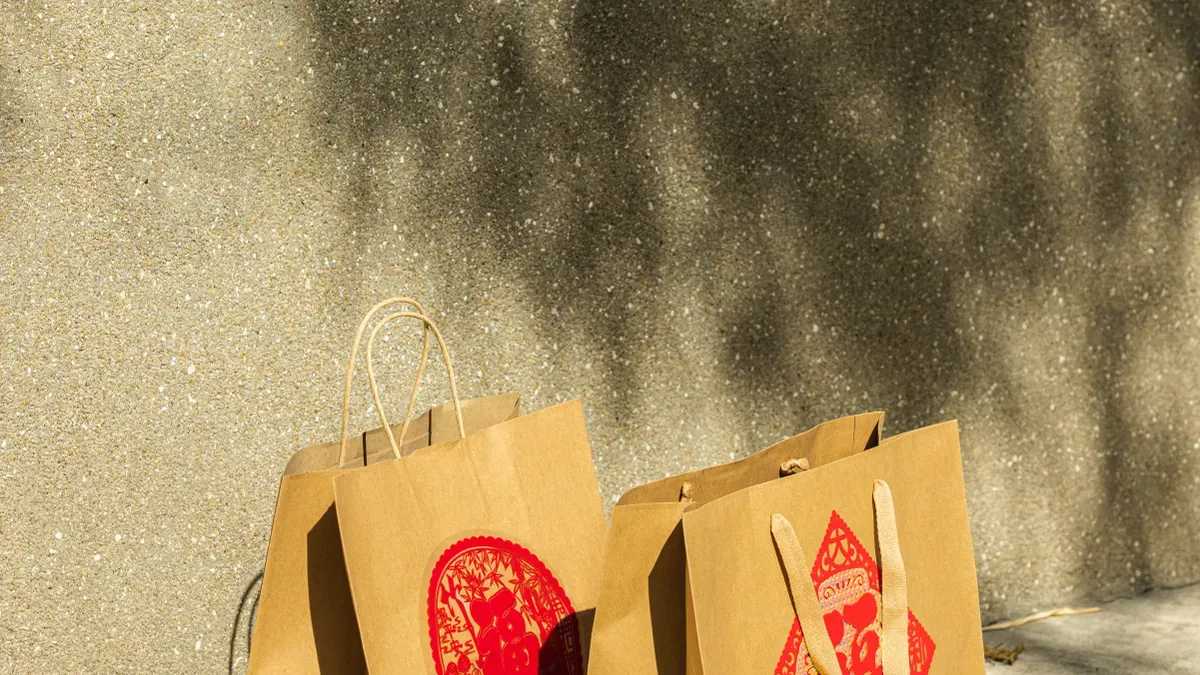
When you use a paper lunch bag machine, you can see how it works through a clear step-by-step process. The machine starts with a paper roll and moves the paper through several stages. Here is what you can expect in the step-by-step process:
Feed the paper roll into the paper lunch bag machine.
Unwind and cut the paper to the right length.
Fold the paper to form the bag shape.
Press and seal the seams for strength.
Cut the bags and stack them.
Add handles if needed.
Check for quality at the end.
Paper lunch bag machines work in steps. First, they feed the paper roll. Last, they do quality checks.
Picking the right paper is very important. Kraft, sulfite, and recycled paper are some choices. These types change how strong and nice the bags look.
The machine needs regular care. Cleaning rollers and checking blades is needed. This keeps the machine working well. It also makes sure the bags are good quality.
Automation helps make more paper bags faster. Machines can make up to 3200 bags each minute. They still keep the bags good quality.
Using eco-friendly materials is better for the earth. Recycling also helps lower harm to nature. Paper bags are a better choice than plastic bags.
You start with a big roll of paper. The roll sits at the front of the machine. The machine pulls and unwinds the paper. The feeding part keeps the paper flat and tight. This helps the machine run well and stops jams.
You can pick different paper types for your bags. Kraft paper makes strong bags for groceries. Sulfite or bleached paper is good for bright colors. Greaseproof paper works for food bags that need to block oil. Recycled paper is good for the planet. The paper’s weight, called GSM, changes how the machine works. Heavier paper makes stronger bags but needs careful feeding.
Check the rollers often to keep things smooth. Clean them to get rid of dust and dirt. Make sure the paper is not too loose or too tight. Loose paper can bunch up. Tight paper might rip. Good workers can spot problems fast and fix them. Everyone should follow the same steps for best results.
New machines are much faster than old ones. Some can make up to 3200 bags every minute. Fully automatic machines do almost everything for you. They feed, glue, fold, and cut the paper. Semi-automatic machines cost less but need more help from people. Pick the machine that fits your business.
Tip: Clean and check your machine often so it lasts longer and works better.
You can add patterns or logos before making the bags. This happens right after the paper goes into the machine. Flexographic printing is used most of the time. It prints clear pictures and words on many kinds of paper. Some machines use gravure presses for sharp prints.
Printing is not required, but it makes your bags look better. You can print your brand, logo, or any design. Sulfite or bleached paper makes colors look bright. Kraft paper gives a plain, natural look.
Feeding and printing are important steps in making paper bags. These steps help your bags look nice and stay strong.
Here is a table that compares paper bags and plastic bags:
|
Aspect |
Paper Bags |
Plastic Bags |
|---|---|---|
|
Biodegradability |
Breaks down in 2-5 months |
Takes hundreds of years to break down |
|
Recyclability |
Easy to recycle, fibers reused 3.6 times |
Hard to recycle |
|
Raw Material Sustainability |
Made from plants |
Made from oil |
|
Environmental Impact |
Better for the earth |
Worse for the earth |
If you want to know how these machines work, remember feeding and printing are the first steps. These parts help you make bags that are strong, look good, and are better for nature.
Bag Forming Process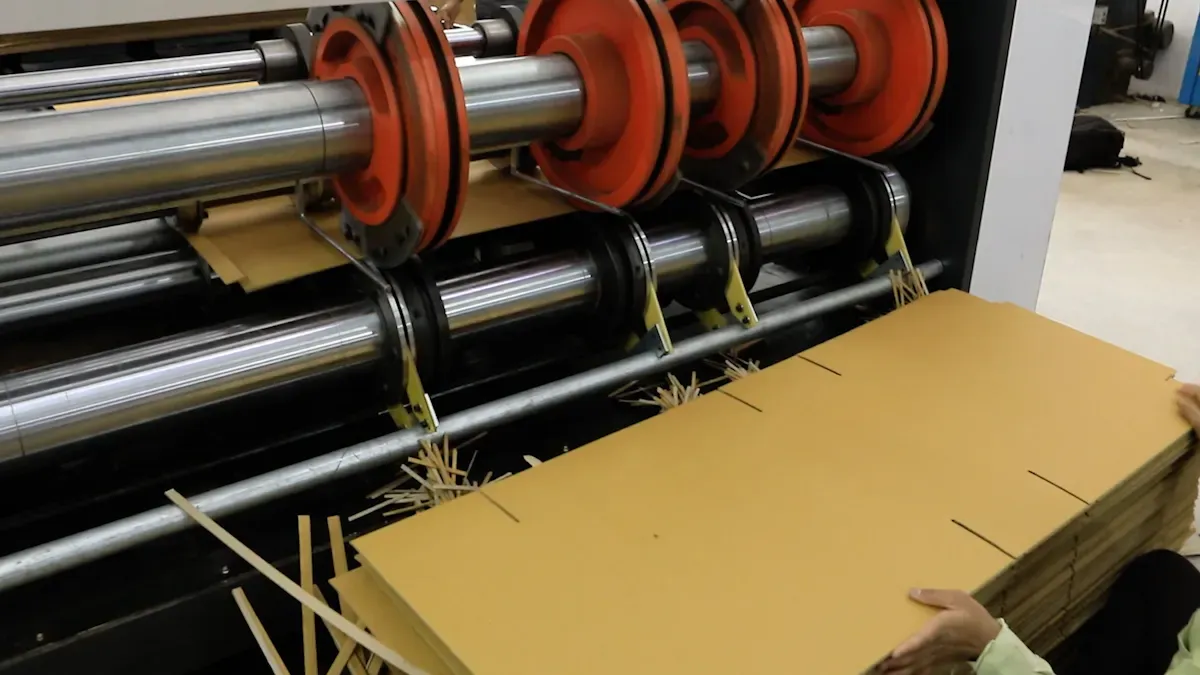
After the paper passes through the printing section, you move to the next step in the paper bag making machine. Here, the machine starts to shape the flat paper into a tube. This step is important because it gives the bag its basic form. The paper bag making machine uses special parts called formers. These formers are key components of a paper bag maker machine. They guide the paper and wrap it around a mold. This action creates a tube that will become the body of your bag.
The formers make sure every bag looks the same. You get uniform shapes in every batch. This is important for quality. If you want your bags to stack well and hold items safely, you need this uniformity. The paper bag making machine keeps the paper tight and smooth as it moves. You do not have to worry about wrinkles or uneven edges. The machine does the hard work for you.
Tip: Consistent bag shapes help your business look professional and keep customers happy.
Once the tube shape is ready, the paper bag making machine moves the tube to the next station. Here, the machine forms the bottom of the bag. This step is another job for the key components of a paper bag maker machine. The machine presses and folds the end of the tube in a special way. It creates flaps that will become the base of the bag.
You see the paper bag making process come together at this stage. The machine folds the paper with great care. It lines up the edges so the bottom is flat and strong. This step is important for paper bag manufacturing because a strong bottom lets the bag hold more weight. The machine works fast and does not miss a fold. You get bags that are ready for the next steps.
Cutting and FoldingNote: A well-folded bottom means your bags can carry lunches, groceries, or gifts without breaking.
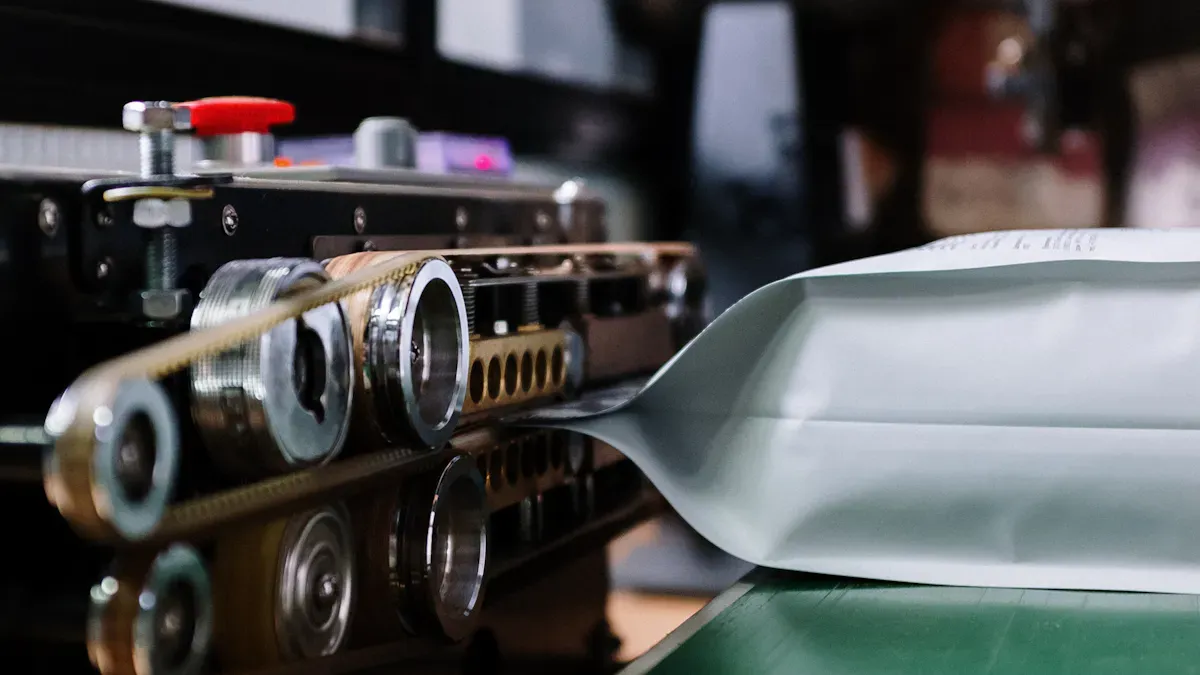
You reach the cutting stage after the paper forms a tube and the bottom fold starts to take shape. The paper bag making machine uses sharp blades to cut each bag to the right length. This step is important because it decides the final size of your bag. The machine must cut with high accuracy. Even small mistakes can make bags too short or too long.
Die cutting tolerances play a big role in this part of the paper bag making process. These tolerances allow for small changes in size. Machine limits, the type of paper, or even the air in the room can change how the machine cuts. The paper bag making machine adjusts for these factors to keep each bag close to the target size. You get bags that look neat and stack well.
Tip: Check the cutting blades often. Sharp blades help you get clean edges and reduce waste.
The next step is folding the bottom of the bag. The paper bag making machine moves each cut piece to a folding station. Here, the machine folds the bottom flaps to create a strong base. This part of the paper bag manufacturing process needs careful control. If the folds are not straight, the bag will not stand up or hold items well.
High-quality bottom folding machines help you get accurate folds. You want every bag to look the same and work well. Here are some things you should know about the folding mechanism:
High-quality machines give you better folding accuracy, which improves the final product.
Some machines cannot handle every bag size. This can limit your options.
You need to keep the machine clean and well-oiled. Skipping maintenance can cause problems and slow down production.
The paper bag making machine works fast, but you must watch for jams or misfolds. Regular checks keep your line running smoothly. When you use a reliable paper bag making machine, you get strong, neat bags every time.
Gluing and SealingNote: Good folding means your bags can carry lunches, groceries, or gifts without breaking.
You reach the gluing stage after folding the bottom of the bag. The paper bag making machine applies glue to the right spots on the bag. This glue holds the flaps together and keeps the bag strong. The machine uses rollers or nozzles to spread the glue evenly. You do not need to worry about missing spots because the paper bag maker machine checks the glue pattern as it works.
You can use different types of glue, but most paper bag making machines use water-based glue. This glue dries fast and does not leave a smell. The paper bag maker machine controls the amount of glue so the bags do not get soggy or weak. You get a neat, clean finish every time. If you want to make bags for food, you can choose food-safe glue. The paper bag making machine lets you adjust the glue settings for different bag sizes and paper types.
Tip: Clean the glue parts of your paper bag maker machine often. This helps you avoid clogs and keeps the glue flowing smoothly.
After the glue goes on, the paper bag maker machine presses the flaps together. This step seals the bag and locks the bottom in place. The machine uses heat, pressure, or both to make sure the glue sticks well. You can see the bag take its final shape as the paper bag making machine seals each one.
There are several ways to seal bags. Here is a table that shows common sealing methods:
|
Sealing Method |
Description |
Applications |
|---|---|---|
|
Sideweld Seal |
Heated blade cuts and seals two layers of film, fusing them together. |
Bread bags, ice bags, sandwich bags, vegetable bags, trash bags. |
|
Bottom Seal |
Special seal bar fuses layers at the seam, with a separate cutting action. |
Vegetable bags, dry cleaning bags, freezer bags, trash bags. |
|
Twin Seal |
Two seal bars create two separate seals simultaneously. |
Grocery bags. |
You want every bag to stay sealed and hold its shape. The paper bag making machine and paper bag maker machine both help you check the seal. You can use field evaluation by looking at the seal. You can also use lab tests like drop testing, shock table testing, or puncture testing to make sure the seal is strong.
Field evaluation through careful observation.
Laboratory testing methods such as drop testing, shock table testing, and puncture testing.
A good seal means your bags will not break or leak. The paper bag maker machine gives you strong, reliable bags every time.
Finishing by Paper Bag Maker MachineThe paper bag making machine checks each bag before it leaves. Automated systems look for problems in every bag. They check if the cutting and folding are correct. The machine also checks if the glue seams and handles are attached right. It looks at the print to see if the colors match and line up. Some bags are picked at random for strength tests. Machines can spot surface flaws, misprints, or other mistakes. This whole process makes sure you get good bags every time.
Tip: Using automated checks helps stop big mistakes and keeps customers happy.
After checking, the paper bag maker machine stacks and packs the bags. The machine folds the top edge to make it neat. Bags go through a drying tunnel so the glue dries well. The machine counts and stacks bags in groups. It changes how it stacks based on bag thickness. This keeps the stacks tidy. Automated stacking saves money on workers and keeps bags safe. You get more bags made and the quality stays the same. These machines help use less paper and energy, which saves money.
Here are the main benefits of using paper bag maker machines at the end:
Automation means you need fewer workers and work faster.
Quality stays the same even when making bags quickly.
Automated stacking keeps bags safe and saves time.
There are two main types of paper bag maker machines. Roll-fed machines use big rolls of paper and are good for making lots of bags. Sheet-fed machines use single sheets and are better for small batches or special orders. Both types have strong automation, but roll-fed machines usually make more bags.
Sometimes, there are problems during finishing. Here is a table with common reasons:
|
Downtime Cause |
Description |
|---|---|
|
Coordination Issues |
Teams do not work together, so things slow down. |
|
Material Delay |
Paper, ink, or other supplies are not ready. |
|
Machine Fault |
Jams or broken parts stop the machine. |
|
Changeover/Setup |
Time needed to set up for a new job. |
|
Quality Check Hold |
Waiting for samples to be checked before going on. |
The paper bag making machine and paper bag maker machine help finish bags fast and well. You get lots of bags with little help from people. Automation makes sure every bag is good and keeps your business running well.
You use a paper lunch bag machine by following simple steps. Each part of the paper bag making machine works together. These parts are feeding, printing, forming, cutting, folding, gluing, and finishing. They help make bags that are strong and look nice. The table below shows how each step helps make good bags:
|
Stage |
Description |
|---|---|
|
Raw Material Preparation |
You pick and check materials for quality and to help the planet. |
|
Manufacturing Process |
You shape and finish each bag with the paper bag making machine. |
|
Quality Control |
You watch and check bags to meet high standards. |
|
Packaging and Distribution |
You keep bags safe and send them out. |
|
Environmental Protection |
You use green materials and recycle when you can. |
Modern paper bag maker machines and paper bag making machines use robots and computers. This helps you work faster and spend less money. The table below shows the main good points:
|
Advantage |
Description |
|---|---|
|
Cost Savings |
You pay less for workers and make fewer mistakes with a paper bag maker machine. |
|
Efficiency |
A paper bag maker machine can make up to 200 bags every minute. This helps you get more done. |
|
Sustainability |
The paper bag making machine cuts carefully, so you waste less and help nature. |
When you use a paper lunch bag machine, you get good bags every time. The easy steps and smart paper bag maker machine give you strong and earth-friendly bags.
FAQYou use a paper bag maker machine to make bags quickly and with less effort. This machine gives you strong bags that look neat. You save time and money because the machine does most of the work for you.
You can choose from two main types of paper bag maker machines. Roll-fed machines use big rolls of paper for high output. Sheet-fed machines use single sheets and work well for small batches or special orders.
You clean the paper bag maker machine often. You check the glue parts and blades for dust or damage. You follow the steps in the manual. Regular care helps your paper bag maker machine last longer and make better bags.
You can adjust the paper bag maker machine for many bag sizes. You set the length, width, and bottom size. The machine lets you switch between small lunch bags and larger grocery bags with simple changes.
You get more bags in less time with a paper bag maker machine. The machine gives you the same size and shape every time. You also use less paper and glue. This helps you save money and protect the environment.
"4mmx2mm Disc Magnet" from S****** received 4 quotation(s)