Date: 2026.04.22 Click: 173
You use a bottom sealing bag making machine to change rolls of plastic film into strong bags with sealed bottoms. This machine can make many kinds of bags. Some examples are cotton, grain, sugar, fertilizer, and rice bags. Each bag type has special things about it. Some have airtight seams, some keep out water, and some can be made in different sizes. The table below lists some common bag types and their main features:
|
Bag Type |
Features |
|---|---|
|
Cotton Bag |
Strong, lets air in, folds and seals very well |
|
Grain Bag |
Keeps out water, all bags are the same size |
|
Sugar Bag |
Seals tight, works fast, can change size |
|
Fertilizer Bag |
Very strong, hard to tear, works by itself |
|
Rice Bag |
Keeps out dust, size can be changed |
You can find these machines in most plastic bag factories today. They make each bag step by step so every bag is made well.
Key TakeawaysBottom sealing bag making machines change plastic film into strong bags. These bags have sealed bottoms. They are good for products like rice, sugar, and fertilizer.
The bag-making process has important steps. These steps are film unwinding, sealing, cutting, filling, and stacking. Each step helps make bags quickly and reliably.
Ultrasonic sealing technology gives clean and airtight seals. This lowers waste and makes bags better. Many people choose this for different uses.
The machine has settings you can change. This lets you make different bag sizes and types. It helps meet many customer needs.
Automation in bag making makes production faster and more efficient. Businesses can save money on labor. They still keep high-quality standards.
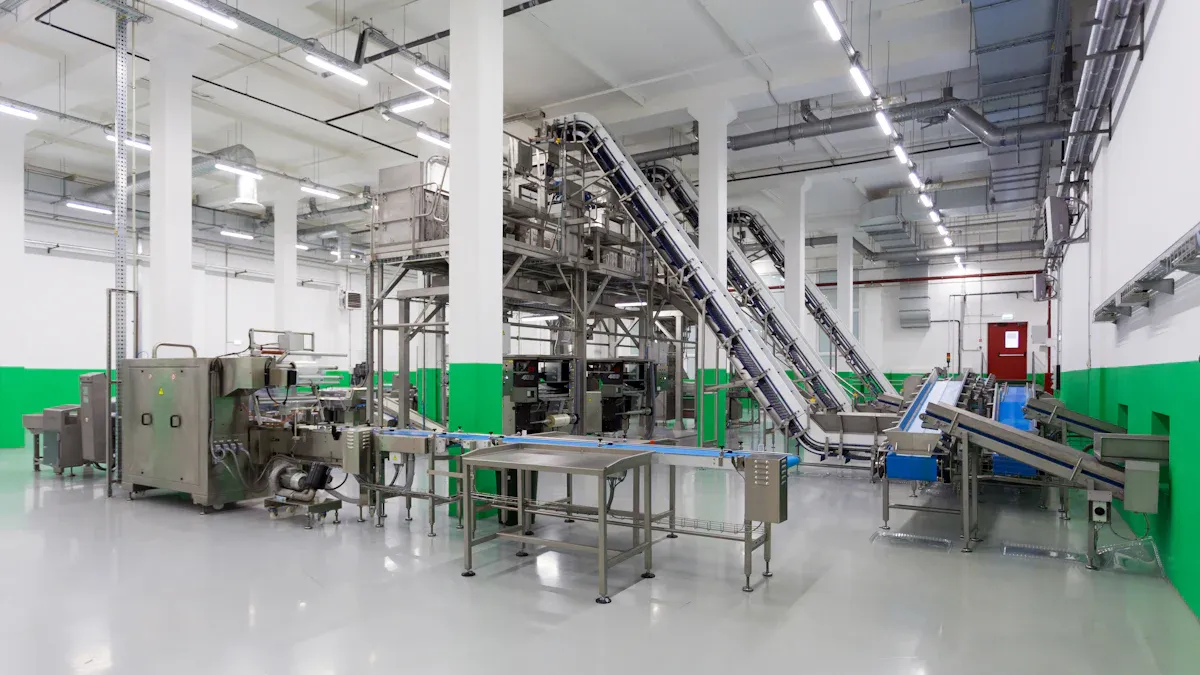
When you use a bottom sealing bag making machine, you follow a clear set of steps to turn plastic film into finished bags. Each step in the process helps you create strong, reliable bags for many uses. Here is a simple table that shows the main steps:
|
Step |
Description |
|---|---|
|
Film unwind |
You feed rolled film into the machine. |
|
Three-side sealing |
The machine seals the top and two sides with heated jaws. |
|
Pouch cutting |
The machine cuts each pouch to the right size. |
|
Filling |
You fill the open bottom with the product. |
|
Bottom seal |
The machine seals the last edge to close the pouch. |
You can see that sealing happens several times in this process. Each sealing step makes sure the bag stays strong and keeps its contents safe.
You can use a bottom sealing machine to make different types of bags. Some common types include:
Flat bags, which work well for retail and industrial needs.
Gusseted bags, which expand to hold more items, like grocery bags.
Bags-on-roll, which you can tear off easily for quick use.
The four-line bottom seal bag making machine lets you make several bags at once. This boosts your production efficiency and helps you meet high demand. You can adjust the machine for different bag sizes and materials, so you can serve many industries. Bag making machines like these play a big role in plastic bag manufacturing. They help you produce bags quickly, with strong sealing and less waste.
Note: Automated bottom sealing machines reduce labor costs and keep quality high. You get durable bags that work for heavy-duty jobs, such as fertilizer or rice packaging.
You can rely on these machines for smooth operation and consistent sealing. This makes them a key part of modern plastic bag manufacturing.
Step-by-Step OperationFirst, you put a big roll of plastic film on the machine. The machine pulls the film from the roll and moves it forward. This step is important because the film must stay flat. If the film is not flat, it can wrinkle or tear. Wrinkles and tears can ruin the bags. The machine uses rollers and guides to keep the film steady. This helps stop waste and keeps the line working well.
You must keep the film straight and tight as it moves. Tension control systems help with this job. These systems use sensors and rollers to check the film. They make sure the film does not stretch or sag. When the film is tight, it stays smooth and flat. This makes it easy to see any printing mistakes. It also stops bad bags from going to customers. Good tension control helps you make better bags and work faster.
Tension control stops the film from stretching or tearing. This keeps the material flat and lined up during bag making.
When tension is steady, the film is smooth. This helps you see printing problems and find defects.
Good tension helps you spot bad bags and keeps them away from customers.
You can add gussets to bags with the gusseting unit. This part folds the sides of the film in. Gussets let bags open wider and hold more things. You can use gussets for grocery or clothing bags. Gusseted bags stand up better on shelves. They also look nicer to buyers. This step gives you more choices for making bags for many uses.
Gusseting lets bags hold more and fit different items. It makes bags stable and easy to see on shelves. This is good for many kinds of products.
You use the sealing unit to close the bag’s bottom. The machine can use heat, cold, or ultrasonic sealing. Heat sealing melts the film edges together. This makes a strong seal. Ultrasonic sealing uses sound waves to join the film. It works well for messy things and makes a tight seal. Ultrasonic sealing uses less material and is faster than heat sealing. Cold sealing is not used much in these machines.
Heat Sealing: Strong and cheap, but may need cooling.
Ultrasonic Sealing: Makes airtight seals, good for messy things, saves material, and is fast.
Cold Sealing: Not often used in bottom sealing machines.
Ultrasonic sealing makes clean, neat seals without glue. It helps you waste less and is better for the environment. You can cut and seal at once with ultrasonic sealing. This stops fraying and keeps bags strong.
After sealing, you must cool the bag’s bottom edge. The machine uses cooling bars or fans for this. Cooling makes the seal hard and strong. If you skip cooling, the seal can break when you fill the bag. Cooling keeps the seal firm for shipping and storage. This step makes sure your bags are safe and last longer.
After sealing and cooling, you cut the film into bags. The machine uses sharp blades or die-cutting tools for this. Some machines have PLC controls and sensors to check bag size and shape. High-speed systems like servo motors help cut bags very accurately. This saves material and keeps bags the right size.
|
Mechanism |
Description |
|---|---|
|
Die-Cutting Tooling |
Custom shapes need special die-cut tools to cut the film. |
|
PLC Control |
PLC control runs the cutting and sealing steps automatically. |
|
Real-Time Feedback |
Sensors check and adjust things like seal heat and bag size. |
Fast control gives you neat cuts and fewer bad bags. You save material and make more bags quickly.
Servo motors give feedback to control cutting.
They use encoders to track position closely.
This makes blade moves exact and cuts clean, so you waste less.
The last step is stacking the finished bags. The machine uses a conveyor or stacker to pile the bags neatly. Automatic stacking helps you work faster and keeps things tidy. Workers can do other jobs while the machine stacks bags. This saves money and lets you make more bags in less time.
|
Insight Type |
Description |
|---|---|
|
Smart Manufacturing |
Automated stackers make bag stacking faster and safer. |
|
Cost Efficiency |
Automation lowers labor and running costs, so you earn more. |
|
Revenue Growth |
Making more bags lets you sell to new markets. |
|
Productivity Insight |
Moving workers to other jobs helps you improve and invent new things. |
A four-line bottom seal machine can stack many bags at once. This helps you make more bags quickly. With lots of automation, you can trust the machine to work well and keep your line moving fast.
Key Components of Four-Line Bottom Seal Bag Making Machine
You begin by putting a film roll on the unwinder. The unwinder feeds the film into the machine smoothly. The tension system keeps the film tight and flat. This stops wrinkles and stretching. Good tension control helps make clean seals and right bag sizes. You see fewer mistakes and waste less film. This step helps the whole bag making process work better.
The sealing bar makes the strong seal at the bag’s bottom. It uses heat sealing to melt the film edges together. Some machines use an ultrasonic unit for sealing. The ultrasonic unit joins the film with sound waves. This makes a clean and airtight seal. You can change the sealing width for different bag sizes. This lets you use many packaging materials. These features help keep products fresh and high quality. Energy-saving parts in the sealing unit use less power and save money.
Tip: Changing sealing widths and saving energy make your bottom sealing machine more useful and cheaper to run.
The gusseting device folds the film sides in. This lets you make bags that open wide and hold more. The cutting device slices the film into bags after sealing. Fast blades or die-cutting tools give clean, even cuts. Automation keeps the process quick and correct. The four-line bottom seal bag making machine uses these tools to make more bags and waste less film.
The stacker and conveyor move finished bags away from the machine. The bags pile up neatly for easy packing. This part of the machine is very automatic. You save work and keep your area tidy. The conveyor helps you keep up with fast speeds. You can trust the machine to stack and move bags, so you can do other jobs.
Machine Variations & AdjustmentsNote: Each part of the bottom sealing machine works together. This gives you strong seals, fast work, and better production.
You can adjust a bottom sealing machine to make many types of bags. You set the length and width for each bag. You change the sealing temperature and time for different materials. Some machines let you switch between flat bags and gusseted bags with simple controls. You use these adjustments to meet the needs of your customers. You can make small snack bags or large rice bags on the same machine. This flexibility helps you keep up with changes in plastic bag manufacturing.
Tip: Use the control panel to set the bag size and sealing strength. This helps you get the best results for each order.
You need machines that can handle many jobs. A bottom sealing machine gives you this power. You can use it for bags that need strong seams or for bags that must keep out water and dust. You can switch between heat sealing technology and ultrasonic sealing. This lets you work with many types of film. You can also use cold cut features for special bags. These options help you serve many industries in plastic bag manufacturing.
You can make bags for food, clothing, or heavy products.
You can change the sealing method for each job.
You can use one machine for many tasks.
Some bottom sealing machines have special designs. You can use a four-line machine to make four bags at once. This boosts your production efficiency. You can use a high degree of automation to run the machine with less help. For rice bags, you need strong sealing and thick film. For bags-on-roll, you need fast cutting and easy tearing. You pick the right machine for your product. This makes your operation smooth and your bags strong.
|
Machine Type |
Special Feature |
Best Use |
|---|---|---|
|
Four-line |
Makes four bags at once |
High-volume orders |
|
Rice bag machine |
Strong sealing, thick film |
Heavy-duty packaging |
|
Bag-on-roll machine |
Fast cutting, easy tear-off |
Retail, produce bags |
You get better results when you match the machine to the job. You save time and reduce waste with the right adjustments.
You do each step in the bottom sealing bag making machine process to make strong bags. Every time you seal, it helps keep the bags safe and good quality. The four-line bottom seal bag making machine works faster and lets you make more bags at the same time. Ultrasonic sealing and fast controls help you finish bags quickly and waste less material. You can count on a bottom sealing machine to make plastic bags that work well. These machines help you make more bags and fill many packaging orders.
FAQYou can use many types of plastic film, such as LDPE, HDPE, and PP. Each film type gives your bags different strengths and features. Always check your machine’s manual for the best film options.
You set the bag length and width using the control panel. Most machines let you change these settings quickly. This helps you make different bag sizes for each order.
Ultrasonic sealing uses sound waves to join film edges. You get strong, clean seals without glue or extra heat. This method helps you save material and reduce waste.
Yes! Some machines have extra tools for handles or custom shapes. You can add these features to meet your customer’s needs. Check if your machine supports these options.
Tip: Check the film tension and alignment first. Make sure the rollers and guides work well. Adjust the tension system if needed. Clean the machine often to prevent film jams.
"4mmx2mm Disc Magnet" from S****** received 4 quotation(s)