Date: 2026.04.20 Click: 183
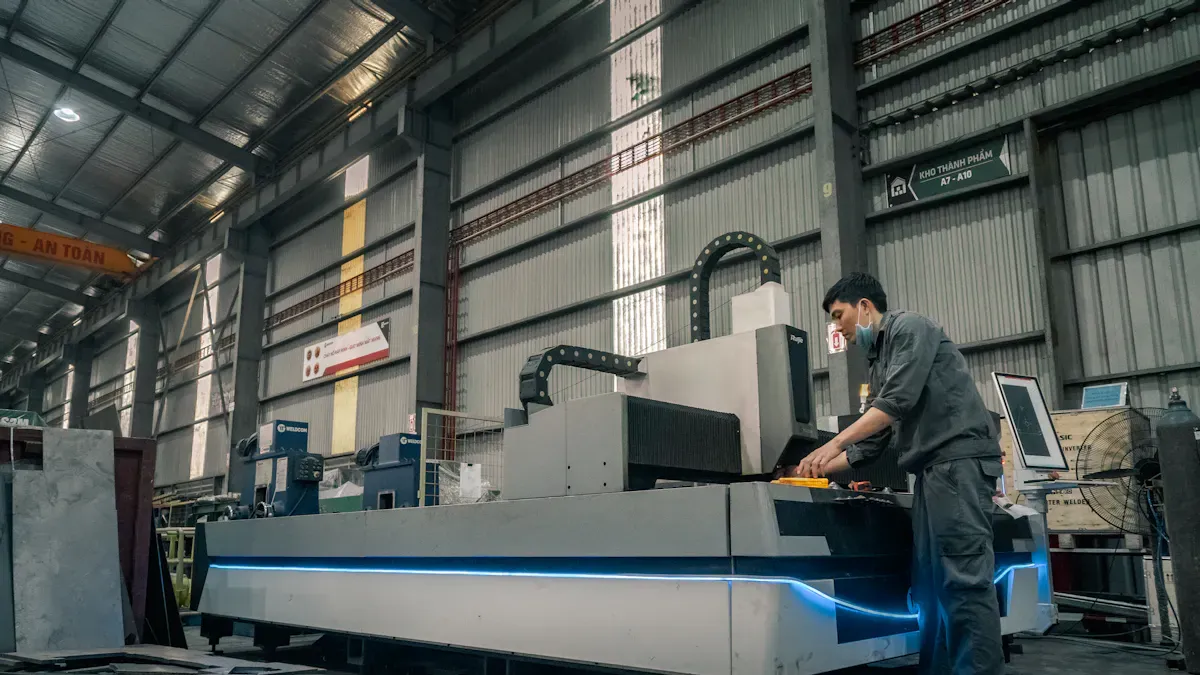
You see shopping bags all the time, but do you know how a shopping bag making machine changes raw materials into bags? Different machines work with plastic, paper, and non-woven fabrics. For example, a T-shirt bag making machine takes rolls of plastic film and turns them into bags by sealing, cutting, and punching handles. How the machine works depends on the material, the film’s thickness, and the bag’s size. Each machine uses special steps to make sure every bag looks the same and works well.
Key TakeawaysShopping bag making machines turn raw materials into bags by steps like feeding, cutting, and sealing.
There are different machines for plastic, paper, and non-woven bags. Each machine is made for a special bag style and use.
Automation in bag making helps make bags faster and uses less workers. This lets factories make more bags in less time.
Quality checks during making sure each bag is good. This cuts down on waste and keeps the brand strong.
Picking eco-friendly machines and materials can help the environment and support sustainability.
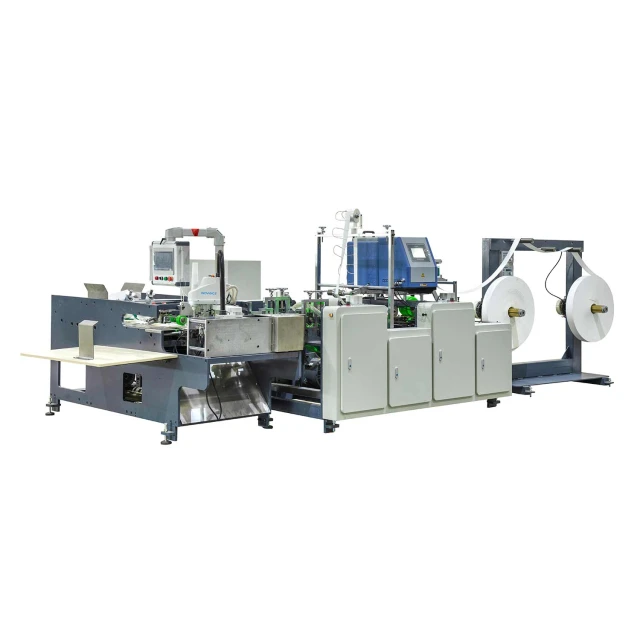
When you see a shopping bag making machine, you can tell it works with many materials. Each machine type works in its own way and has special jobs. Let’s look at the main types you might find in stores.
Plastic bag making machines come in different kinds. Some popular types are flat bag making machines, side gusset bag making machines, bottom gusset bag making machines, wicket bag making machines, and handle bag making machines. Each one makes a different kind of plastic bag.
Flat bag making machines make simple, flat bags.
Side gusset and bottom gusset machines add space to the sides or bottom.
Wicket bag making machines make bags that hang on hooks.
Handle bag making machines put handles on bags for easy carrying.
Plastic bag making machines can make many bag types, like flat bags, waistcoat bags, continuous rolling bags, and square bottom bags. You can use these machines in small shops or big factories. Some machines are slow and need people to help, but others are fast and use robots. When you pick a machine, think about how fast it works, what sizes it makes, how strong the seals are, and how much energy it uses. Good machines and good service help your work go well. Today, people worry about plastic trash, so you might want machines that save energy or use recycled stuff.
A paper bag machine uses rolls of paper to make bags for many things. You will see these machines where people need bags for food, shopping, or medicine. The machine folds, glues, and cuts the paper to make the bag.
|
Sector |
Applications |
|---|---|
|
Food and Beverage |
Packaging for groceries, takeout, and bakery goods |
|
Consumer Goods |
Retail bags for branding and convenience |
|
Others |
Pharmaceuticals and horticulture |
Paper bag machines help you make bags that are strong and easy to print on. Many people pick paper bags because they break down in nature and use things that grow back.
A non-woven bag making machine uses a fabric-like material made from fibers. You often see these bags in stores that want reusable and earth-friendly bags. The machine cuts, seals, and sometimes adds handles to the bags.
|
Type of Bag |
Application Area |
|---|---|
|
Non-woven bags |
Flexible packaging and industrial use |
|
Plastic bags |
General packaging |
|
Food packaging bags |
Food industry |
|
Garbage bags |
Waste management |
|
Ziplock bags |
Food storage and packaging |
Non-woven bags can be used many times and are easy to recycle. You can help the earth by picking these bags instead of single-use plastic ones.
Main Steps in Shopping Bag ProductionTip: When you choose a bag making machine, always think about what kind of bag you need and how it will affect the earth.
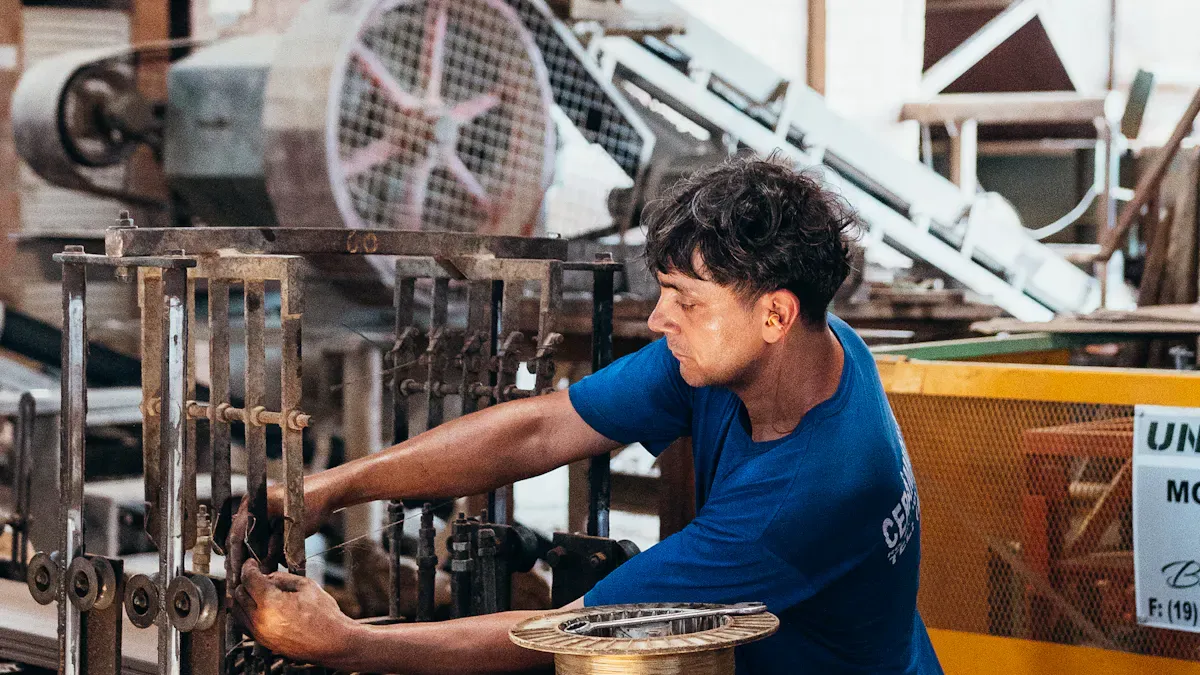
If you want to know how a shopping bag making machine works, you can follow each step. The machine changes raw materials into bags. First, the machine feeds and heats the material. Then, it prints, cuts, forms, adds features, and checks quality. Each step uses machines to make bags fast and the same every time.
You start by loading rolls of plastic film, paper, or non-woven fabric. The machine pulls the material in by itself. This saves time and helps avoid mistakes. Heating makes plastic film or non-woven fabric soft and easy to shape. Paper does not need heat, but it must be lined up right. This helps the machine work smoothly.
Note: The material you pick changes how the bag works and feels. Check the table below to see what each material is like.
|
Material |
Properties |
|---|---|
|
Polyethylene (PE) |
Cheap, low friction, commodity plastic used for disposable bags |
|
Polypropylene (PP) |
Widely used in various applications including bags |
You can pick different materials for different bags. Feeding and heating are the first steps and help get the material ready.
Printing is not always needed. If you want logos or designs, you use the printing part. The machine uses special printing methods for bright colors and fast work. You can print on BOPP, PET, and PE. The machine prints before cutting and shaping the bag. The machine controls printing, so every bag looks the same.
Tip: Printing makes your bags look special and helps people remember your brand. Only print when you want custom designs.
After printing, the machine cuts and seals the material. It cuts the material to the right size. The machine seals the edges with heat or glue. Plastic bags use heat to seal. Paper bags use glue. Non-woven bags use heat or sound waves. Machines make this step quick and neat. You get bags with strong edges.
Callout: Cutting and sealing are very important. The machine helps you get good bags every time.
The machine shapes the bag after cutting and sealing. It folds the material to make the bag. For paper bags, the machine folds and glues the sides and bottom. For plastic bags, the machine folds and seals the shape. Non-woven bags are shaped by folding and sealing with sound waves. Machines make sure every bag looks the same. You can change the machine to make different sizes and shapes.
You can add handles or other things to your bags. The machine puts on handles by sewing, heating, or gluing. Some machines punch holes or add zippers. The machine adds these parts without slowing down. Paper bags can get glued or rope handles. Plastic bags can get punched handles or plastic strips. Non-woven bags can get stitched or sealed handles. These features make bags easy to carry.
Tip: Handles and extra features make bags better for shoppers.
The last step is checking quality and stacking the bags. The machine checks each bag for problems. It uses sensors and cameras to look at stitching, seals, printing, and thickness. You can see the results in the table below.
|
Inspection Technique |
Description |
|---|---|
|
Handle stitching firmness |
Ensures there are no loose threads. |
|
Bottom bearing capacity |
Tests the bag with real heavy items. |
|
Printing clarity and color accuracy |
Verifies the quality of printed designs. |
|
Material thickness meets your requirement |
Confirms the material is thick enough. |
|
No odor |
Important for food-contact or gift scenarios. |
|
Sample consistency with bulk production |
Ensures samples match the final product. |
|
Reusability and folding resistance |
Tests the durability of the bag over time. |
You can trust the machine to check quality. After checking, the machine stacks the bags in order. The bags are ready for packing and shipping. Machines make this step fast and help stop mistakes.
Callout: Checking quality keeps your bags good and protects your brand.
You can follow these steps to see how a shopping bag making machine works. Each step uses machines to make bags faster and better. You get good bags every time you use the machine.
Key Features of Shopping Bag Making MachinesAutomation changes how factories make bags. You do not need as many workers when you use these machines. The machine does most jobs by itself. This helps you save money because you pay fewer workers. You can also make more bags in less time. Many factories buy these machines because they help make money back fast. For example, one company spent $2,000,000 on machines and got their money back in just over a year. Automation keeps the machines working without stopping. New machines can make up to 120 bags every minute. Some snack packing machines can make 200 packs each minute. This fast speed helps you fill big orders and keep customers happy. Automation also helps by doing the same job over and over with few mistakes.
Automation means you need fewer workers.
Machines make bags faster and make more bags.
Robots help make bags the same way every time.
You get steady work and better results.
You want every bag to look and work the same way. Shopping bag making machines help you do this. The machines use sensors and cameras to check bags at each step. You can find problems early and fix them before bags go to customers. Quality checks happen while making bags, not just at the end. This means you catch mistakes quickly. You can trust machines to check printing, sealing, and handle strength. These tools help you keep high quality. Good quality checks also mean you waste less material. You do not have to throw away as many bags. This saves money and helps the planet.
Tip: Check your bags often to keep your brand strong.
You can help the earth by picking the right machine and material. Many machines now let you use recycled materials. You can choose machines that use less energy and make less trash. Checking for mistakes also helps the planet. When you find problems early, you do not waste materials. Good machines use less power and fewer raw materials. You can also pick machines that make bags you can use again. This means you use less single-use plastic and help the earth. By checking bags and using good machines, you make sure every bag is good and helps keep the world clean.
|
Feature |
Benefit for You |
|---|---|
|
Energy-saving design |
Lower costs and less pollution |
|
Recycled materials |
Less waste in manufacturing |
|
Efficient production |
Fewer resources used |
|
Quality control steps |
Less waste from defects |
You can see how checking bags, saving energy, and using good machines work together. This gives you better bags and helps the future.
You now know how shopping bag making machines change raw materials into good bags. These machines use robots to work faster and keep bags the same every time. The table below shows the main good things about these machines:
|
Benefit |
Description |
|---|---|
|
Higher production capacity |
Machines can make hundreds or thousands of bags each minute. |
|
Stable quality |
Robots help fill and seal bags the same way every time. |
|
Lower labor costs |
One person can watch many machines at once. |
|
Reduced material waste |
Machines use just enough material, so less is wasted. |
|
Better hygiene |
Fewer people touch the bags, so they stay clean. |
|
Greater flexibility |
You can quickly change the machine for new bag sizes or types. |
|
Data collection |
Machines keep track of how many bags they make right away. |
When you pick a shopping bag making machine, remember these steps:
Think about how many bags you need.
See how each machine does its job.
Choose how much you want robots to do.
Find machines that work well and have good help.
Make a plan for how much money you will spend.
Go to factories and try out the machines.
Picking the best machine helps your business get better and make good bags. New machines and earth-friendly ideas make shopping bags better for you and nature. When you use a shopping bag, remember the smart machines that made it!
FAQYou look at the type of bag you want. You check if you need plastic, non-woven, or paper. You also think about how many bags you need each day. You ask about the inspection process for quality.
You use sensors and cameras to check each bag. The inspection process looks for strong seals, clear printing, and correct size. You make sure every bag meets your standards before packing.
You can recycle many bags. Paper bags break down in nature. Non-woven bags can be used again. Some plastic bags can be recycled if you follow local rules. You help the earth by recycling.
You use automation to make bags faster. Machines help you make more bags with fewer mistakes. You save money and time. The inspection process also works better with automation.
You use the machine to glue or attach handles. Some machines add rope handles. Others use flat paper strips. The machine does this step quickly. You check the handles during the inspection process.
"4mmx2mm Disc Magnet" from S****** received 4 quotation(s)