Date: 2026.04.16 Click: 35
You can use a bag making machine with many materials. But you must watch the machine setup and if the material works well. Some common problems are bags that are not the same size, weak seals, and film getting stuck. You can stop these problems by changing the machine’s temperature, speed, and tension. You should also look for problems with the material and seams that do not hold. If you want good results, get your materials from trusted suppliers and follow each step in the setup guide.
Change the settings for different bag sizes and sealing heat.
Keep the machine strong and stop problems by checking it often.
Pick the correct bag making machine for your materials. This stops jams and keeps bags strong.
Clean and check your machine often. This helps it work well. A clean machine stops problems during production.
Change machine settings for each material. Every material needs its own temperature, speed, and tension. This gives the best results.
Test a small batch before making lots of bags. This finds problems early and saves time and supplies.
Follow safety rules and wear protective gear. This keeps you safe when using the machine.
There are different bag making machines in factories. Each machine has its own features. Some machines work better with certain materials.
Computer-Controlled Paper Bag Making Machines make paper bags very accurately.
All In One Bag Making Machines can make many kinds of bags. These include paper, non woven, poly, and bioplastic bags.
Fully Automatic Paper Bag Making Machines make bags faster and need less help from people.
Plastic bag making machines use LDPE, HDPE, and biodegradable PLA. You should pick a machine based on what you want to make and the materials you have.
Tip: If you want to use many materials, choose machines that can handle different types.
You can use plastic, non woven fabric, or paper to make bags. Each material has special qualities that change how you use your machine.
|
Property |
Description |
|---|---|
|
Material |
Non woven fabric uses polypropylene (PP), which is easier to recycle. |
|
Strength |
Non woven bags are strong and do not tear easily. |
|
Longevity |
One non woven bag can replace more than 1,000 plastic bags. This makes it a good choice for the environment. |
|
Water Resistance |
Polypropylene does not let water soak in, so non woven bags stay dry. |
|
Heat Resistance |
Non woven bags can handle high heat up to 160℃. |
|
Weight Options |
You can pick light (80GSM) or thick (100GSM) non woven fabric for your bags. |
Recent data shows brown kraft paper bags are used most in stores. People like them because they are strong and good for the environment. Many companies now use paper bags because new rules limit plastic bags.
You need to match your machine to the material you want to use. This helps stop problems like jams, weak bags, or bags that do not last.
Check the table below to see which machines work with which materials:
|
Machine Type |
Material Compatibility |
|---|---|
|
All In One Bag Making Machines |
Paper, non woven, poly, bioplastic |
|
Versatile Machines |
Can use many kinds of materials |
|
Plastic Bag Making Machines |
LDPE, HDPE, biodegradable PLA |
When you pick a non woven bag making machine, make sure it fits your material and needs. Look at bag size, material type, how fast it works, special features, automation, and cost.
If you use the wrong machine for your material, you may have problems. These include bad material flow, weak bags, or bags that break.
Preparing Your Bag Making MachineNote: Always use the right materials for your machine. This keeps production easy and your bags strong.
You should check and clean your bag making machine before using it. This helps stop jams and keeps bags strong. Here are steps to get your machine ready:
Wipe the machine with a soft cloth and gentle soap. Make sure you clean off all dirt and glue from every part.
Look for loose parts, wires that show, and worn pieces. Check these things every day so you can fix problems early.
Put oil on all moving parts. Check each spot for oil before you turn the machine on.
Tip: Make a cleaning plan. Clean your machine every week or month, depending on how much you use it. This stops dirt from building up and helps your machine last longer.
A safe and neat workspace helps you work faster and keeps you safe. You should follow safety rules and keep things organized. Here is a table to help you:
|
Best Practice |
Description |
|---|---|
|
Pre-operation checks |
Look for damage, check oil, and make sure wires are tight. |
|
Operator training |
Learn how to use the machine, what to do in emergencies, and wear personal protective equipment (PPE). |
|
Machine safety features |
Use machines with guards, sensors, and safety locks. |
|
Regular maintenance |
Make a plan for fixing and checking your machine. |
|
Workplace management |
Keep your area clean, use clear safety signs, and make sure air can move in the room. |
|
Safety culture |
Tell someone if you see a safety problem and go to safety meetings. |
You should also wear the right safety gear. Here are some things you need:
|
Safety Equipment |
Purpose |
|---|---|
|
Safety Glasses |
Keep your eyes safe from flying pieces. |
|
Gloves |
Wear heat-resistant gloves to protect your hands from hot parts. |
|
Ear Protection |
Use earplugs or earmuffs to keep your ears safe. |
|
Safety Shoes |
Steel-toed shoes protect your feet from heavy things. |
Loading and lining up materials the right way stops jams and helps your machine work well. Here are some ways to do this:
Get all your materials, like paper rolls, glue, ink, and handles.
Check each material to make sure it is good before you load it.
Put paper rolls on the spindle. Make sure they roll out easily and stay straight.
Add glue to the machine. Use good glue so the seams are strong.
Load ink and check that the printer is ready for clear printing.
Put on handles and other parts in the right place so they stay on.
Material Preparation and SettingsNote: Always check that your materials are lined up right. Good alignment helps your work go smoothly and makes your bags look nice.
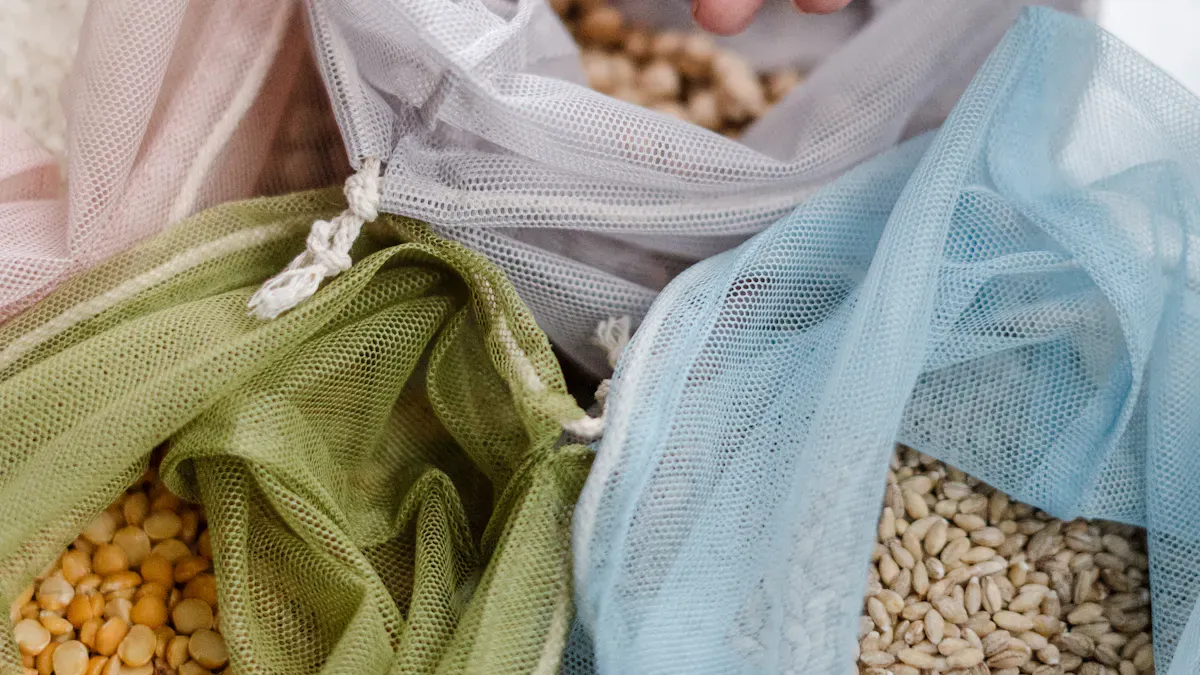
You need to get plastic materials ready before using the plastic bag making machine. Good preparation stops mistakes and keeps bags strong. First, pick the right plastic film or resin pellets. Keep these materials in a dry, cool place so they stay good. Make sure there is no dirt or anything bad on the plastic. Clean materials help the machine work well and stop jams.
Here is a simple table to help you:
|
Step |
Description |
|---|---|
|
1 |
Pick the right plastic film or resin pellets, like LDPE, HDPE, LLDPE, or PP. |
|
2 |
Keep materials dry and cool so they do not get ruined. |
|
3 |
Look for and take away any dirt or bad stuff. |
|
4 |
Mix in things like color masterbatch or UV blockers if needed. |
Always use good quality plastic resin. This makes bags last longer and stops machine trouble. Clean materials and storing them right help you get the best bags from your plastic bag making machine.
You must be careful when getting materials ready for the non woven bag making machine. Doing the right steps makes the process easy and fast. Start by picking the best raw materials, like polypropylene or polyester. Good polymer makes your non woven fabric strong and trustworthy. Learn about different types of non woven fabric. This helps you choose the best one for your bags.
Follow these steps for better results:
Pick strong and tough raw materials.
Make sure the polymer is good quality.
Match the non woven fabric type to what your bag needs.
Set up and take care of your non woven bag making machine.
If you forget to clean or oil moving parts, you can have problems. Dust and dirt can pile up and slow your machine down. Using wrong parts can also make things not line up and work badly. Here is a table of common problems and what they mean:
|
Common Issue |
Explanation |
|---|---|
|
Forgetting to clean often |
Dust and dirt can build up, making bags worse and slowing the machine. |
|
Not oiling moving parts |
More rubbing can break parts and stop the machine. |
|
Using wrong replacement parts |
Bad or wrong parts can mess up the machine and make it work poorly. |
Always keep your non woven bag making machine clean and use the right parts. This helps you avoid trouble and keeps your work going smoothly.
You need to change machine settings for each material. How thick and bendy your material is changes how you set up the bag making machine. Thicker plastic needs more heat and pressure. Thin plastic needs less heat and pressure so it does not get ruined. Non woven fabric may need different speed and tightness compared to plastic.
Here are some important things to remember:
The thickness of plastic changes how it moves in the bag making part.
Wrong settings can cause problems like bent bags or weak spots.
Each material moves and bends differently, so you must change machine settings for the best bags.
Before making lots of bags, always run a small test batch. This lets you check if the settings are right. Watch for problems like uneven seams or weak bags. Change the settings a little until you get the best bags.
Tip: Always test your machine with a small amount of material before making lots of bags. This helps you find mistakes early and saves time and money.
Check and change the machine settings every time you use new materials. This keeps your non woven bag making machine and plastic bag making machine working well and helps you make strong bags.
Operating the Bag Making Machine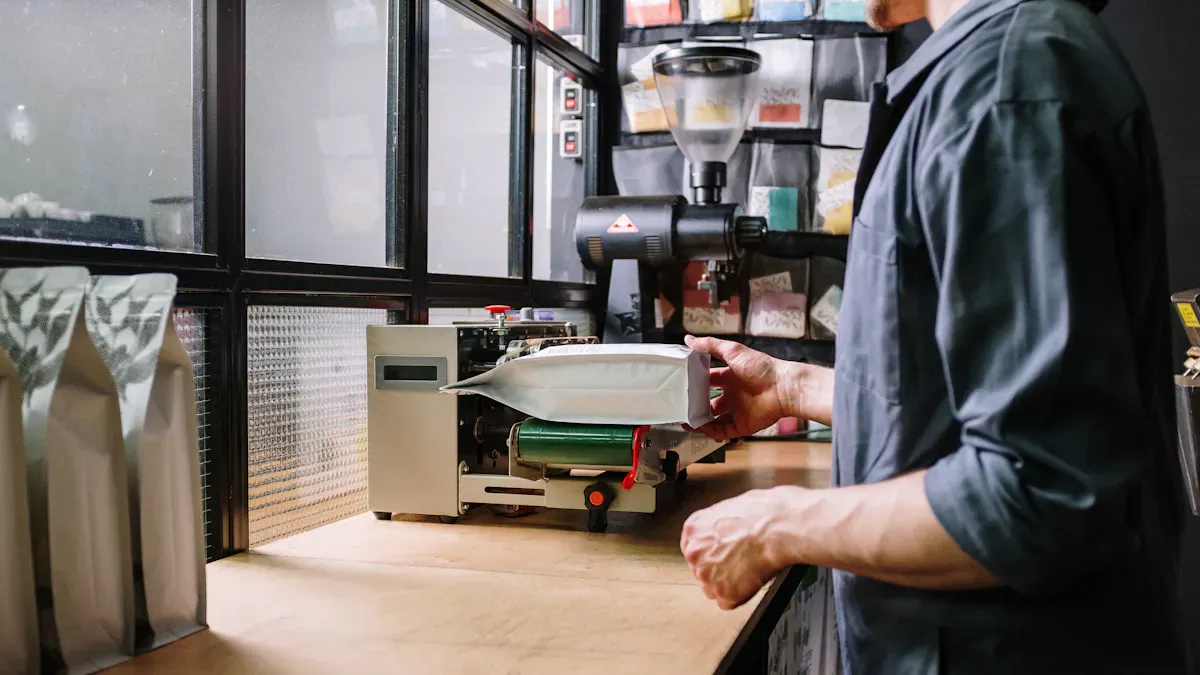
You need to follow safe steps when you start your bag making machine, especially with new materials. This keeps you safe and helps the machine work well. Here is a simple way to start:
Check that all bolts are tight. Sometimes bolts get loose during shipping.
Clean all rollers, guides, and surfaces with a soft, dry cloth. This stops dirt from getting on your film.
Use the right lubricant on all moving parts. Look at your manual for the correct spots.
Turn on the machine without any film. Run it slowly and listen for strange sounds.
Thread the film through the machine. Run it at a very low speed, like 20 bags per minute. Watch how the film moves and check if the seals line up.
Tip: Always start slow. This helps you catch problems before they get big.
You must watch your machine while it makes bags. This helps you keep the quality high and fix problems fast. Look for these signs to know if your bags are good:
|
Check Item |
High Quality |
Low Quality |
|---|---|---|
|
Certification |
BPI, EN13432, or AS5810 on the bag |
No number or fake logo |
|
Material |
Plant-based, traceable, PLA + PBAT |
Fake PLA or PE mixed in |
|
Feel |
Soft, no crisp sound |
Hard, strong plastic feel |
|
Odor |
Light plant smell |
Strong chemical smell |
|
Thickness |
Even, 15–30 microns |
Bubbles or weak spots |
|
Strength |
Holds 5–10 kg |
Tears easily |
|
Leak-Proof |
No leaks with water |
Water seeps from the bottom |
|
Compost Test |
Gets brittle and rough over time |
Stays the same for a long time |
Check these things often. If you see a problem, stop the machine and fix it right away.
When the bags come out, collect them in a clean bin or on a table. Stack them neatly so they do not bend or tear. Count the bags and check a few from each batch. Look for strong seams, even printing, and the right size. If you find a bad bag, check the machine settings before you make more. Good habits help you make strong, neat bags every time.
Maintenance and Safety TipsYou keep your bag making machine working well by cleaning and oiling it often. Dirt and glue can build up on rollers and guides. You wipe these parts with a soft cloth and mild soap. Oil moving parts so they do not rub and break. Make a cleaning plan and stick to it. Clean the machine every day if you use it a lot. Oil the parts every week. This helps the machine run smoothly and stops jams.
Tip: Clean the ink system weekly. This keeps your prints clear and stops clogs.
You must check your machine often and replace worn parts. Some parts wear out faster when you use different materials. Look at the table below to see which parts need attention:
|
Maintenance Interval |
Tasks |
|---|---|
|
Daily |
Cleaning the machine, checking the ink level, inspecting the rollers. |
|
Weekly |
Lubrication of moving parts, cleaning the ink system, checking tension of the conveyor system. |
|
Monthly |
Replacing worn-out parts such as printing plates and rollers. |
|
Annually |
Complete overhaul of the machine, including replacing worn-out components and thorough inspection. |
Parts like the screw conveyor, hopper, pump, and mixing vessel can jam or clog. Oversized particles can block the packaging machine and cause defects. You check these parts for lumps and clogs. Replace them if you see damage or wear.
You protect yourself by following safety rules. Wear safety glasses, gloves, and steel-toed shoes. Use ear protection if the machine is loud. Make sure guards and sensors work. Keep your workspace clean and free from clutter. Report any safety problems to your supervisor. Attend safety meetings and learn what to do in emergencies.
Note: Always turn off the machine before cleaning or fixing it. This keeps you safe from moving parts.
You follow these maintenance and safety tips to keep your bag making machine running well and protect yourself at work.
You can make your bag making machine work well by doing a few easy things. Pick the right material for your project. Set up the machine with care. Change the settings for each material. Clean the machine often. Check and oil parts to keep them working. Train people who use the machine. Look at safety features before you start.
|
Best Practice |
Description |
|---|---|
|
Cleaning |
Take away dust and dirt so the machine works well. |
|
Lubrication |
Put oil on moving parts to stop rubbing. |
|
Inspection |
Look for loose or old parts often. |
|
Operator Training |
Learn new ways to use the machine better. |
Be careful, use these tips, and tell others about your good results!
FAQYou should check your machine manual. Look for a list of approved materials. Test a small batch before full production. Ask your supplier for advice if you are not sure.
Check the material quality first. Lower the machine speed. Adjust the sealing temperature. Make sure you load the material straight. Weak or old materials can cause tears.
No, you should always clean the machine before switching materials. Old material or glue can mix with new material. This can cause jams or weak seams.
You should check settings every time you change material or bag size. Run a test batch. Watch for problems like uneven seams or jams.
Wear safety glasses, gloves, and steel-toed shoes. Use ear protection if the machine is loud. Always follow your workplace safety rules.
"4mmx2mm Disc Magnet" from S****** received 4 quotation(s)